 Land O'Lakes Siding
 Exterior Work for Trinity Homes, Done by People Who Live Here Too
Trinity sits in unincorporated Pasco County, close enough to the Gulf to feel its influence and far enough inland that homeowners sometimes assume they're sheltered from the worst of it. Neither is entirely true. Homes here deal with the same combination that hits the rest of west-central Florida: long stretches of intense UV, heavy summer humidity, wind-driven rain that finds every gap in a building envelope, and periodic tropical systems that test roofs, siding, and windows all at once. Add in salt-tinged air during onshore wind events, and you have a climate that is genuinely hard on exterior materials, even ones that look fine from the curb.
We work exterior projects across Pasco County, and Trinity's mix of newer subdivisions and established neighborhoods means we see a wide range of exterior conditions — from homes that are holding up well to ones where the siding, trim, or roof edge has quietly been losing the fight with moisture for years. Below is an honest look at what that climate does to a house here, what we do about it, and how to think through a repair or replacement project without getting oversold.
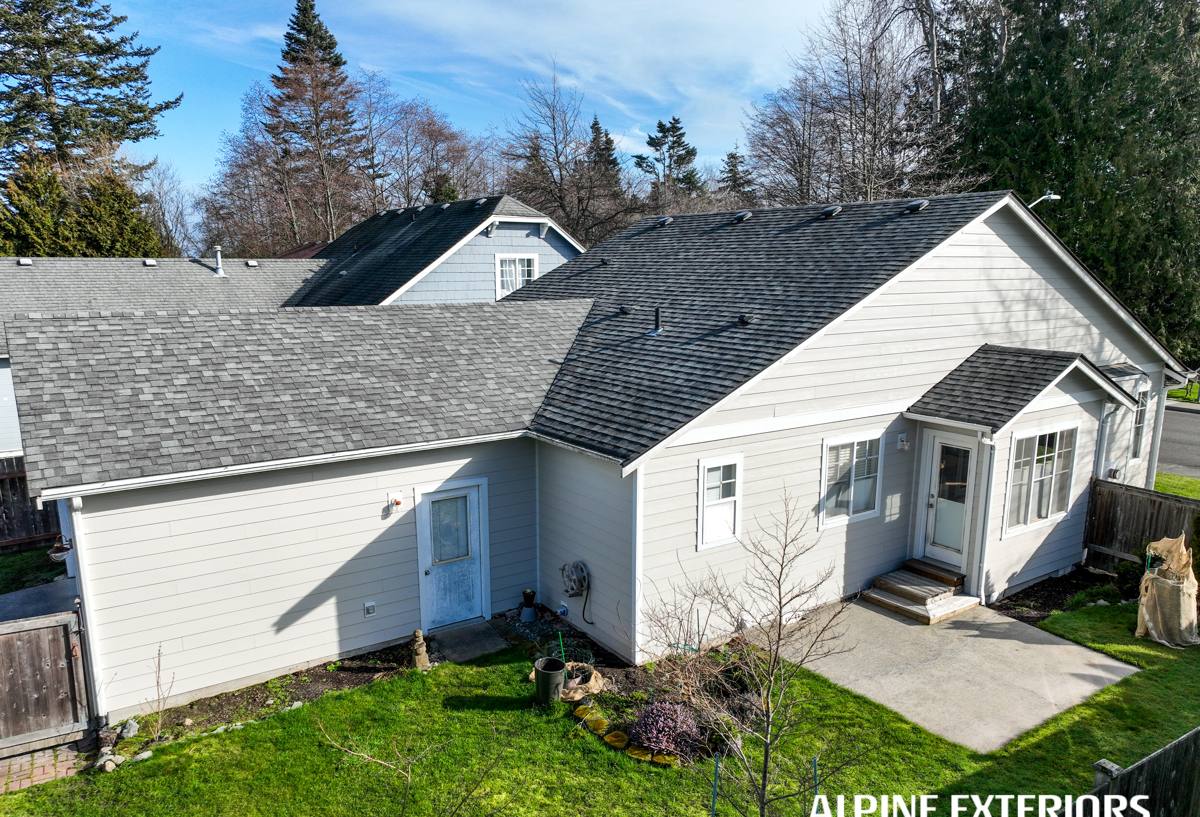
What Trinity's Climate Actually Does to a House
UV and Heat
Florida sun is relentless on painted and coated surfaces. Cheaper siding products, older paint jobs, and factory finishes not engineered for this UV load tend to chalk, fade unevenly, and lose their protective coating years before a homeowner expects to repaint. Trim boards and fascia often show this first, since they're smaller and take direct sun exposure on multiple faces.
Humidity and Moisture Cycling
Pasco County's humidity means exterior materials rarely get to fully dry out between rain events, especially in shaded or landscaped areas close to the house. Materials that absorb moisture and swell, then dry and shrink, go through this cycle over and over. Over years, that cycling is what causes swelling, delamination, and rot in moisture-sensitive products — long before any single storm does visible damage.
Wind-Driven Rain
It's not just how much rain falls — it's how it hits the house. Wind-driven rain during storms and squalls pushes water sideways into laps, joints, window flashing, and anywhere a seal has started to fail. A roof or siding system that sheds rain fine in a light shower can still leak under wind pressure if the details weren't installed correctly.
Storm Wind Loads
Trinity homes need to be built and maintained to handle real wind events, not just daily weather. Loose siding panels, aging soffit, and roof edges that have already been weakened by years of sun and moisture are the parts of a house most likely to fail first when wind picks up.
Salt Air
Trinity is inland compared to beachfront communities, but it's still close enough to the Gulf that salt-laden air reaches it during onshore wind patterns. Salt exposure accelerates corrosion on fasteners, hardware, and any metal components on the exterior, and it adds another layer of wear on top of what UV and humidity are already doing.
Siding: Why We Only Install James Hardie Fiber Cement
We install James Hardie fiber cement siding exclusively. We don't install vinyl, LP SmartSide, Cemplank, Allura, or primed wood siding like spruce or cedar — not because those products don't have a place in the industry, but because after years of exterior work in this climate, we standardized on the one product line we're confident holds up to Florida conditions without surprises down the road.
The honest trade-offs with the alternatives
- Vinyl is affordable and low-maintenance in mild climates, but it can soften, warp, or crack under sustained high heat and direct sun, and it has real limits on wind resistance compared to fiber cement.
- Engineered wood products (like LP SmartSide) perform well in many climates but are more sensitive to sustained moisture exposure than fiber cement, and Florida's humidity cycle is exactly the kind of stress that tests that sensitivity over time.
- Primed wood siding (spruce, cedar) requires the most ongoing maintenance of any option — repainting, caulking, and moisture monitoring — which is a hard sell in a climate that's this hard on painted wood.
- Other fiber cement brands (Cemplank, Allura) are legitimate fiber cement products, but James Hardie's HardieZone system is engineered specifically for climate zones like ours, and its ColorPlus factory finish and warranty structure are what we've found most consistent in the field.
James Hardie is non-combustible, holds paint and factory finish far longer than wood-based products in this climate, resists moisture swelling and rot, and comes with a strong transferable warranty backed by a manufacturer with a long track record in Florida specifically. When it's installed correctly — proper clearances, fastening, and flashing details — it's the product we trust to actually perform here, not just look good on install day.
Beyond Siding: Roofing, Windows, and Decks
Siding rarely fails in isolation. A house is one envelope, and the same climate stresses that wear down siding also work on the roof, the windows, and any exterior decking. We handle all four so a Trinity homeowner isn't coordinating separate crews with separate opinions about what's actually wrong.
Roofing
Roof edges, flashing, and underlayment take the brunt of wind-driven rain and UV exposure. A roof that's aging out often shows up first as a leak near a wall line or soffit — which can look like a siding problem when the real source is above it.
Windows
Window flashing and seals are common entry points for wind-driven rain, and older windows in this climate often lose their seal integrity well before the glass or frame looks obviously worn.
Decks
Outdoor decking faces direct sun and moisture cycling with none of the protection a wall assembly gets, so it tends to show wear faster and needs attention on its own schedule.
Signs a Trinity Home Needs Exterior Attention
| What You Notice | What It Often Means |
|---|---|
| Bubbling, peeling, or chalky paint on siding or trim | Coating has failed under UV exposure; moisture may be reaching the substrate underneath |
| Soft spots or visible swelling in siding panels | Moisture absorption and possible rot, especially in non-fiber-cement products |
| Staining below windows or where roof meets wall | Wind-driven rain finding a gap in flashing or sealant |
| Rust streaks near fasteners or hardware | Salt air corrosion, often a sign fasteners need review or replacement |
| Warped or cupped deck boards | Sun and moisture cycling breaking down the wood fibers |
| Higher cooling bills with no other explanation | Compromised siding, windows, or attic ventilation letting heat load into the house |
What Cost Actually Depends On
We won't quote a number without seeing the house, but the real cost drivers on a Trinity exterior project are consistent:
- Square footage and the home's number of stories
- Extent of any existing moisture damage or substrate repair needed before new material goes on
- Trim complexity — gables, dormers, and architectural detail add labor
- Whether roofing, windows, or decking are being addressed in the same project (bundling can reduce overlap costs)
- Siding profile and ColorPlus finish selection
Our Process for a Trinity Project
- Free on-site inspection — we look at the whole envelope, not just the symptom you called about
- Honest assessment of what's actually failing versus what's cosmetic
- Written estimate with clear scope, so there's no ambiguity about what's included
- Installation to manufacturer spec, including the flashing and fastening details that determine whether siding actually performs in wind and rain
- Final walkthrough before we consider the job done
Why a Local Crew Matters Here
Exterior work in Pasco County isn't generic. A crew that works Trinity, Land O'Lakes, and the surrounding communities regularly knows how this specific stretch of coastline-adjacent climate behaves — where salt air reaches, how storms typically track through, and which details tend to fail first on local homes. That's different from a crew that installs the same way everywhere and treats Florida like any other market. Local also means accountability: we're not driving in from out of the area for one job and disappearing if a warranty question comes up later.
Before You Choose a Contractor
- Ask what siding product they install and why — and be wary of anyone who installs "whatever you want" without a stated standard
- Confirm they're licensed and insured for exterior work in Florida
- Ask how they handle flashing and moisture barrier details, not just the visible finish
- Get the warranty terms in writing, including whether it's transferable if you sell the home
- Ask for a written scope before work starts, not a verbal estimate
If you're noticing wear on your siding, roof, windows, or deck — or just want an honest read on where your home's exterior stands — we're happy to take a look. Estimates are free, there's no pressure, and you'll get a straight answer about what needs attention now versus what can wait.