 Land O'Lakes Siding
 What "Primed Wood Siding" Actually Means
Primed wood siding is usually finger-jointed pine or spruce lap boards that arrive from the mill with a factory-applied primer coat. The primer is not a finish — it's a base layer meant to protect the wood just long enough to get it installed and painted in the field. Once it's on the wall, the homeowner (or the contractor) is responsible for the actual top coats of paint, plus every recoat after that for the life of the siding.
It's a legitimate building material, and it's been used on homes for generations. We're not here to tell you wood siding is a scam. We're here to explain, honestly, why we stopped installing it and moved our business entirely to James Hardie fiber cement — because in Pasco County's climate, the gap between "looks great on install day" and "holds up 15 years later" is wider with primed wood than with almost anything else on the market.
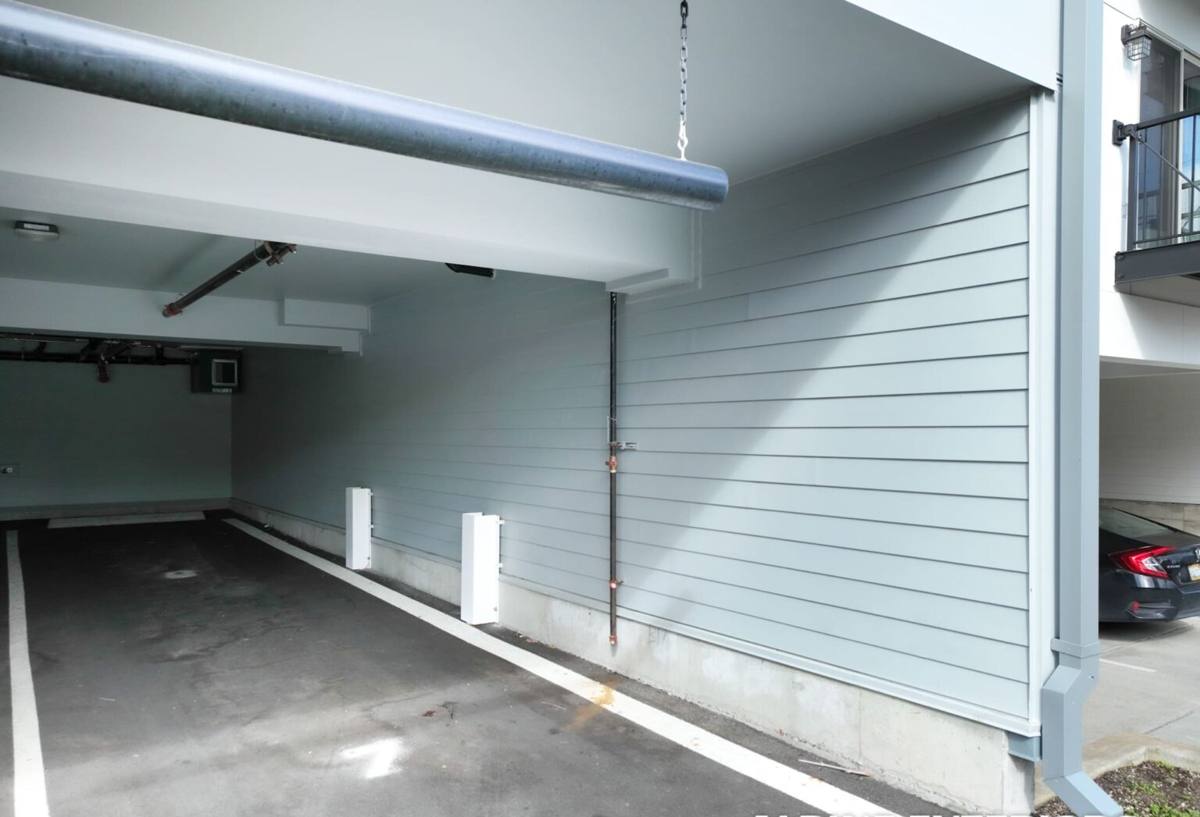
What Primed Wood Gets Right
To be fair to the product: primed wood siding has real advantages that explain why it's stayed on the market so long.
- It's genuine solid wood, which some homeowners want for historical accuracy on older homes or a specific architectural style.
- It's easy to cut, shape, and work with on site, including custom trim details.
- Material cost is often lower up front than fiber cement or engineered alternatives.
- A well-maintained, freshly painted wood exterior has a warmth and texture that some other materials try to imitate but don't fully replicate.
Those are real points in its favor. The problem isn't day one. The problem is year five, year ten, and year fifteen — and that's where Florida's climate starts working against the material instead of with it.
Why Land O'Lakes' Climate Is Especially Hard on Wood
Pasco County doesn't get a mild, forgiving climate for exterior wood products. Homes here face a combination of stresses that few other regions deal with all at once:
Intense, Year-Round UV
Florida sun breaks down paint film faster than in most of the country. UV degrades the acrylic or latex topcoat, chalking it and thinning it out. Once the paint film thins, the wood underneath starts absorbing moisture directly — and that's when the real trouble starts.
Wind-Driven Rain and Humidity
Afternoon storms don't just wet the surface of a wall — wind-driven rain drives moisture into seams, butt joints, and any hairline crack in the paint. Combine that with Florida's humidity, and wood siding rarely gets a long enough dry stretch to fully release the moisture it absorbs.
Hurricane Season Stress
Sustained tropical-storm and hurricane-force winds flex siding, work at fasteners, and can drive rain sideways under laps that aren't perfectly sealed. Wood siding depends on paint film and caulk staying intact to keep water out — and both are exactly what wind and UV degrade fastest.
Salt-Tinged Air
Land O'Lakes sits inland, but the Tampa Bay air still carries salt content further than people expect, and it accelerates fastener corrosion and paint breakdown on homes throughout Pasco County, not just directly on the coast.
None of these stresses are unique to wood siding — every exterior product in this region deals with sun, rain, wind, and humidity. The difference is how much a product's finish depends on an intact paint film to keep water out entirely. Wood has zero margin for a paint failure. Once the film fails, the substrate itself starts to break down.
Where the Failures Actually Show Up
We're not talking about vague "wood siding fails" claims. Here's specifically what happens when primed wood doesn't get maintained on the exact schedule it needs:
- End-cut absorption — factory primer rarely covers field-cut ends completely, and that's where water enters fastest.
- Paint film chalking and cracking — UV breaks the topcoat down years before most homeowners expect to repaint.
- Swelling and cupping — boards absorb moisture unevenly, especially at laps and butt joints, and the board itself warps.
- Fastener staining and loosening — repeated wet-dry cycles work fasteners loose over time.
- Rot at the bottom courses — the lowest courses near grade and around window sills take the most splashback and are usually the first to go.
Every one of these is preventable with a strict maintenance schedule. That's the real issue — it's not that wood siding is doomed to fail, it's that it fails the moment maintenance slips, and maintenance slipping is the norm, not the exception, for most homeowners.
The Maintenance Burden Most Homeowners Underestimate
When a homeowner is comparing quotes, the sales conversation is almost always about install cost. It's rarely about the 15-year cost of ownership. Here's a realistic side-by-side of what ongoing care actually looks like:
| Maintenance Task | Primed Wood Siding | James Hardie (ColorPlus) |
|---|---|---|
| Initial finish coats after install | Required — primer is not a finish | Not needed — factory finish applied |
| Repainting cycle in Florida sun | Every 3-7 years, depending on exposure | ColorPlus warranty covers finish for 15 years |
| Caulk/seam inspection | Annual, especially before hurricane season | Periodic, less failure-prone joinery |
| Risk if maintenance is skipped one cycle | Rot risk at ends, laps, and low courses | Non-combustible substrate, no rot risk |
| Pest vulnerability | Wood-boring insects, termites | Not a food source for pests |
This table isn't a knock on wood as a material — it's an honest accounting of what it costs to keep it looking good and performing well in this specific climate. A lot of homeowners budget for the install and don't budget for the decade of upkeep that follows.
Installation Sensitivity Is the Other Half of the Problem
Even a well-maintained wood siding job can fail early if the installation wasn't done exactly right. Every field cut needs to be primed or sealed before it goes up — skip that step on even a handful of boards, and you've created entry points for water that won't show up as a problem for two or three years, long after the crew is gone. Flashing details, weep gaps, and caulk joints all have to be executed with zero shortcuts, because wood siding has no forgiveness built into the material itself the way some engineered products do.
We install a lot of siding on homes that have been through hurricane seasons, and the jobs that fail early are almost always installation issues compounding with maintenance gaps — not one or the other alone. That combination is exactly why we don't want our name on a wood installation: we can control our installation quality, but we can't control whether a homeowner keeps up a strict repainting schedule for the next 20 years.
Why We Standardized on James Hardie Instead
We made a decision as a company to install one product system, and only one: James Hardie fiber cement. Here's the honest reasoning:
- Non-combustible substrate — fiber cement doesn't burn, rot, or feed pests the way wood can.
- ColorPlus factory finish — the color is baked on at the factory under controlled conditions, not brushed on in the field, and it's backed by its own finish warranty.
- Climate-engineered HZ product lines — Hardie's HZ5 formulation is specifically engineered for humid, high-moisture climates like ours, not a generic national product.
- Strong transferable warranty — a manufacturer warranty that holds up matters more once you've seen what a Florida summer does to a product that isn't built for it.
- Proven track record installed to spec — when installed correctly, it holds paint, color, and structural integrity through hurricane seasons and decades of UV without the repainting treadmill.
We're not saying every home in Pasco County needs to abandon wood aesthetics entirely — Hardie's lap, shingle, and board-and-batten profiles are designed to give homeowners a wood-look exterior without the maintenance schedule that real wood demands.
Questions to Ask Before You Choose Wood Siding Anyway
If you still want the look and feel of real wood on your home, that's a legitimate choice — just go in with clear eyes. Before signing a contract for primed wood siding, ask:
- Is every field cut going to be primed or sealed before installation, not just the factory edges?
- What's the realistic repainting interval for my home's sun exposure, in writing?
- Who is responsible for annual caulk and seam inspections — me, or a maintenance plan?
- What does the manufacturer's warranty actually cover if rot shows up at the bottom courses?
- Am I prepared to budget for repainting every few years for as long as I own this home?
If the honest answers to those questions give you pause, that's exactly why we moved our business to a product system that doesn't put those questions in front of homeowners in the first place.
Get an Honest Look at Your Options
We're happy to walk your home, talk through what siding is doing right now, and give you a straight answer on what would actually hold up here — no pressure, no pushing a product that doesn't fit your house. Reach out for a free estimate and we'll give you the same honest breakdown we just gave you above, specific to your home.