 Land O'Lakes Siding
 Asphalt Shingle Roofing Built for Trinity's Weather, Not Just Its Curb Appeal
Trinity sits far enough inland to feel like it's tucked away from the worst of the Gulf, but the roofs here take a beating all the same. Pasco County gets the same hurricane-force wind gusts, the same wind-driven rain that finds every weak seam, and the same relentless UV exposure that bakes shingles from above almost every day of the year. Add in the salt-tinged air that drifts inland on Gulf breezes, and you've got a combination that ages an asphalt shingle roof faster than most manufacturers' warranty paperwork assumes. A roof installed the same way you'd install one in Ohio or the Carolinas simply won't hold up here the same way.
This page is about one thing: asphalt shingle roofing, done correctly, for homes in and around Trinity. Not a generic rundown of roofing in general — the specific decisions, materials, and installation details that matter when the roof over your head has to survive a Florida summer storm season every single year.
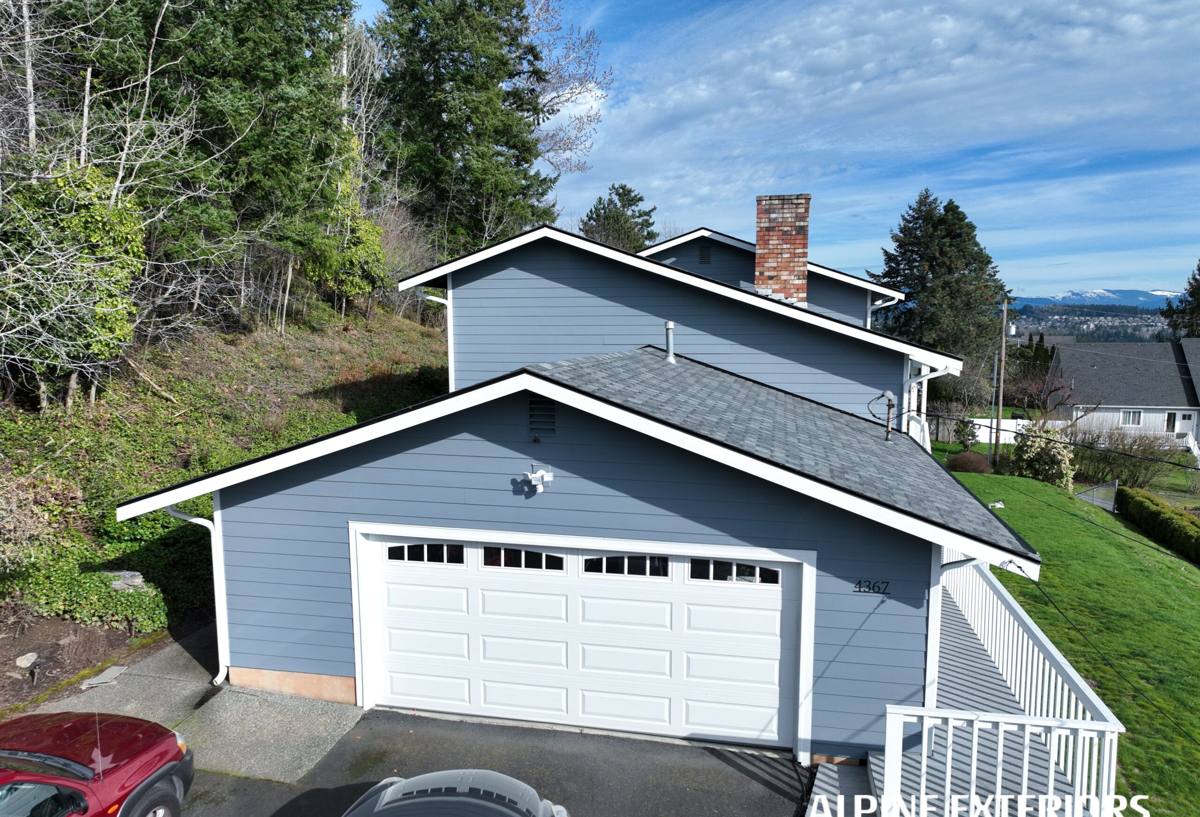
What Trinity's Climate Actually Does to a Shingle Roof
It helps to understand the failure points before talking about the fix. Four things drive most of the shingle roof problems we see in this part of Pasco County:
- Wind uplift. Sustained tropical-storm and hurricane-force wind events put lift pressure on shingle edges, especially at ridges, rakes, and eaves. Poorly nailed or under-sealed shingles peel back long before they wear out.
- Wind-driven rain. Florida storms rarely fall straight down. Rain gets pushed sideways under shingle tabs and around flashing, which means the roof's water-shedding details matter as much as the shingles themselves.
- UV exposure. Year-round sun breaks down asphalt oils and degrades granule adhesion over time, which is why a shingle rated for 25-30 years in a milder climate often shows real wear here well before that mark.
- Salt air. Trinity isn't beachfront, but it's a short drive from the Gulf, and airborne salt does travel. It accelerates corrosion on exposed metal — nails, flashing, vents — which is often where a roof actually starts leaking, not in the shingle field itself.
None of this means asphalt shingles are the wrong choice for Trinity — they're still the most practical, cost-effective roofing material for most homes here. It means the installation has to account for these conditions instead of ignoring them.
What a Correct Asphalt Shingle Roof Actually Involves
Deck Inspection and Repair, Not Just Cover-Up
Every legitimate reroof starts with the deck, not the shingles. Old fasteners, soft or delaminated plywood, and gaps at the deck seams all need to be found and corrected before anything new goes down. Nailing new shingles over a compromised deck is how roofs fail early — it just isn't visible until the damage is already done underneath.
Underlayment That Matches the Exposure
A synthetic underlayment (or a self-adhered membrane at eaves, valleys, and penetrations) gives you a real second line of defense when wind-driven rain gets past the shingles — which it eventually will, on any roof, during a bad enough storm. This layer is what keeps a wind-lifted shingle from turning into an active leak.
Shingle Selection and Wind Rating
Not all asphalt shingles are rated the same for wind resistance. In Pasco County, we favor architectural (laminated) shingles with a wind rating suited to local code requirements over standard 3-tab products, and we follow manufacturer nailing patterns exactly — enhanced nailing zones, correct nail count, correct placement. Most wind-related shingle failures we're called out to inspect trace back to nailing shortcuts, not a bad batch of shingles.
Flashing, Vents, and Penetrations
Chimneys, plumbing stacks, skylights, and roof-to-wall transitions are where the majority of real leaks originate — not in the open field of shingles. Corrosion-resistant flashing, properly lapped and sealed, matters more in a salt-exposed inland climate like Trinity's than most homeowners realize.
Attic Ventilation
A well-ventilated attic keeps shingle temperatures more stable and extends shingle life, while also protecting the deck from moisture buildup. Ridge and soffit ventilation sized correctly for the roof's square footage is a detail that's easy to skip and expensive to ignore.
Signs a Trinity Roof Needs Attention
Most shingle roof problems give some warning before they turn into an active leak. Worth checking after any major storm, or once a year as routine maintenance:
- Shingles that look curled, cupped, or lifted at the edges
- Granules collecting in gutters or at downspout outlets
- Bald or shiny patches where granules have worn away
- Cracked, missing, or blown-off shingles after wind events
- Rusted or lifted flashing around vents, chimneys, or skylights
- Dark streaking or staining, which usually signals algae growth rather than structural damage
- Soft spots on the roof deck, or sagging visible from the ground
- Water stains on interior ceilings, especially near exterior walls
Any one of these on its own isn't necessarily an emergency, but it's worth a professional look before the next storm season, not after.
How Our Process Works
1. Inspection and Honest Assessment
We start on the roof and in the attic, not just with a drive-by look from the driveway. You get a straight answer about whether you need a full replacement, a repair, or nothing at all — we don't pad estimates with work that isn't needed.
2. Written Estimate and Material Selection
You'll see the shingle line, underlayment type, and scope of flashing and ventilation work in writing before anything is scheduled, along with a realistic timeline.
3. Tear-Off and Deck Repair
Old roofing comes off completely so the deck can be inspected and repaired where needed — we don't install over existing layers. Any soft or damaged decking gets replaced, not patched over.
4. Installation to Manufacturer and Wind-Rating Specs
Underlayment, flashing, and shingles go down in the sequence and nailing pattern the manufacturer requires to keep the warranty valid and to hold up to local wind conditions — not shortcuts to save an hour of labor.
5. Cleanup and Final Walkthrough
Job site and yard are cleared of debris and nails, and we walk the finished roof with you before calling the job done.
Comparing Shingle Options for Trinity Homes
| Shingle Type | Wind Performance | Typical Lifespan Here | Best Fit For |
|---|---|---|---|
| 3-Tab Standard | Lower wind rating, more edge exposure | Shorter, given UV and wind exposure | Budget-driven projects, secondary structures |
| Architectural (Laminated) | Higher wind rating, better edge adhesion | Longer, with proper installation | Most primary residences in Pasco County |
| Impact-Rated (Class 4) | Best resistance to wind-driven debris | Comparable to standard architectural, often better warranty terms | Homes seeking insurance premium credits |
Impact-rated shingles cost more up front, but many insurance carriers offer premium discounts for Class 4 roofing in Florida — worth asking your agent about before you decide, since it can offset part of the difference over time.
What Actually Drives Cost on a Trinity Reroof
| Factor | Why It Matters |
|---|---|
| Roof size and pitch | More square footage and steeper slopes mean more material and labor time |
| Number of layers to remove | Roofs with existing layers of old shingles take longer to tear off and haul away |
| Deck condition | Rotted or soft plywood sections add material and labor beyond the base estimate |
| Shingle grade chosen | Architectural and impact-rated products cost more per square than 3-tab |
| Roof complexity | Valleys, dormers, chimneys, and skylights all add flashing and labor time |
| Ventilation upgrades | Adding or correcting ridge/soffit ventilation is often bundled into a reroof |
We'd rather walk your specific roof and give you real numbers than quote a per-square price that doesn't account for your home's actual condition and layout.
Why a Crew That Already Works Trinity Matters
Roofing code requirements, permitting steps, and wind mitigation documentation in Pasco County aren't identical to what a crew from another part of the state might be used to. A local crew already knows the permitting process, understands what county inspectors look for, and can help you put together the wind mitigation paperwork that may qualify your home for an insurance discount after a reroof. That's not a small thing in a market where hurricane insurance premiums keep climbing.
There's also a simple accountability argument: a contractor who works Trinity regularly is going to be around next storm season, and the one after that, if something needs a warranty callback. That matters more than a slightly lower bid from a crew that won't be local once the job is done.
Protecting Your Roof Between Reroofs
Asphalt shingle roofs don't need constant attention, but a few habits go a long way in this climate:
- Keep gutters clear so water doesn't back up under lower courses of shingles
- Trim overhanging branches that can drop debris during wind events
- Have the roof checked after any named storm that brings sustained high winds
- Address small flashing or vent issues promptly, before they become deck damage
- Keep attic ventilation clear of insulation blocking soffit intake
If you're in Trinity and want an honest read on your current roof, or you're ready to plan a replacement before the next storm season, we're happy to come take a look. The estimate is free, there's no pressure, and you'll get a straight answer either way — just fill out the form below to get started.