 Land O'Lakes Siding
 Roof Repair Built for Trinity's Climate, Not a One-Size-Fits-All Fix
Trinity homes sit in a part of Pasco County that gets the full spread of Florida weather in a single year — baking summer sun, sudden downpours, and the real possibility of hurricane-force wind during storm season. A roof repair that doesn't account for all of that isn't really a repair, it's a patch that buys you a few months. Our approach to roof repair in the Trinity area starts with understanding how these specific conditions wear down a roof, then fixing the actual cause instead of just covering the symptom.
This page is about one service, in one neighborhood: roof repair for Trinity homes. Not a full re-roof, not a generic overview of every roofing topic — just what local homeowners need to know about getting a repair done right the first time.
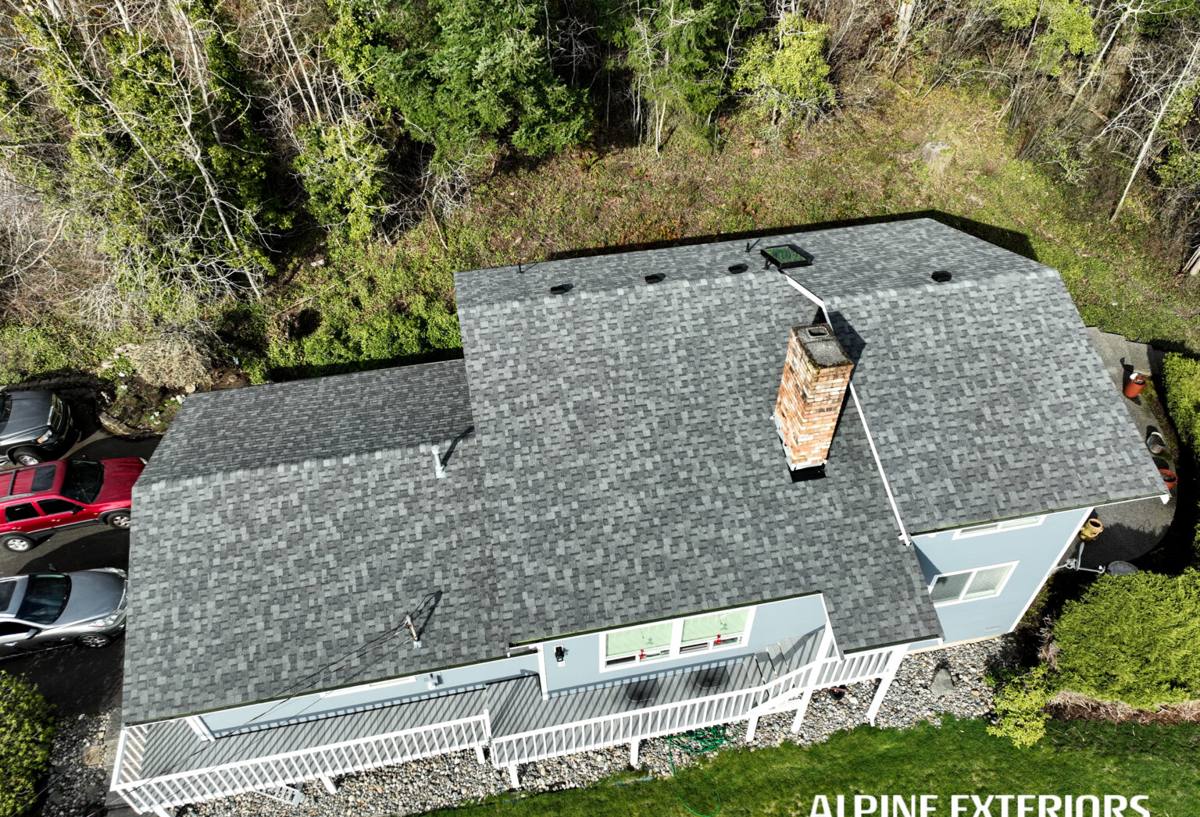
Why Trinity Roofs Take a Beating
Intense, Year-Round UV Exposure
Florida sun is stronger and more constant than most homeowners realize, and it's hard on every roofing material. UV breaks down the asphalt oils in shingles, causing them to dry out, curl, and lose granules faster than the same product would age in a milder climate. On tile roofs, UV degrades the underlayment beneath the tiles long before the tiles themselves show any wear — which is why a tile roof can look fine from the ground while the actual waterproofing layer underneath is failing.
Wind-Driven Rain
Regular rain and wind-driven rain are two different problems. Wind-driven rain gets pushed sideways and upward under flashing, around vent boots, and into any gap that a straight-down rainstorm would never reach. Most of the leaks we trace back to their source in Trinity homes started at a flashing detail or penetration point that only leaks when rain comes in at an angle — which is exactly what happens during the storms that roll through this part of Pasco County.
Hurricane-Force Wind Loads
Even homes that never take a direct hurricane hit still deal with tropical storm winds and strong seasonal squalls most years. Wind doesn't just rip off loose shingles — it also works at fasteners, ridge caps, and edge metal over time, loosening things that were fine last year but are now vulnerable. A repair that doesn't check for wind-related loosening beyond the visibly damaged area often leaves a home exposed to the next storm.
Salt Air Influence
Trinity isn't directly on the coast, but the Tampa Bay region's air carries salt content that travels further inland than people expect, especially during onshore wind events. Salt exposure accelerates corrosion on metal roof components — nails, flashing, vent stacks, and any exposed fasteners. Repairs that use standard, non-corrosion-resistant hardware tend to show rust and early failure sooner in this region than they would further inland.
Common Roof Problems We See in Trinity Neighborhoods
Trinity has a mix of roofing types depending on when a home was built and which builder was involved, so the repair issues we run into vary by roof type.
Asphalt Shingle Roofs
Curling or cupping shingles from UV and heat cycling, granule loss that exposes the asphalt mat, wind-lifted or missing shingles after storms, and nail pops that eventually work through the shingle surface.
Concrete and Clay Tile Roofs
Cracked or slipped tiles from impact or foot traffic, and — more importantly — failed underlayment that isn't visible until a leak shows up inside the home. Tile repair almost always means addressing the waterproofing layer, not just replacing a broken tile.
Flat and Low-Slope Sections
Many Trinity homes have a flat or low-slope section over a lanai, garage, or addition. These areas are especially prone to ponding water, membrane seam failure, and leaks around HVAC penetrations or skylights.
What a Correct Roof Repair Actually Involves
A repair that lasts starts with figuring out where water is actually getting in, which is often not where the stain shows up inside the house. Water travels along rafters and decking before it drips, so a repair that just addresses the interior stain location frequently misses the real entry point.
- Tracing the leak or damage back to its actual source, not just the visible symptom
- Checking the roof decking underneath for soft spots, rot, or delamination
- Inspecting flashing around chimneys, skylights, vents, and roof-to-wall transitions
- Confirming underlayment condition in the affected area, not just the surface material
- Matching replacement materials to the existing roof's age, color, and profile as closely as possible
- Checking fastener condition and corrosion, especially on older roofs
- Verifying that surrounding, undamaged areas aren't showing early signs of the same failure
Our Roof Repair Process
- Inspection. We look at the roof from the ground and, when needed, get on the roof itself — not just a drone photo — to check decking, flashing, and underlayment condition around the damaged area.
- Diagnosis and explanation. We tell you what's actually wrong, in plain terms, and whether it's a contained repair or a sign of broader wear worth knowing about.
- Written scope and estimate. You get a clear description of the work and a price before anything starts — no surprise add-ons once the crew is on the roof.
- The repair itself. Matching materials, proper flashing technique, and corrosion-resistant fasteners appropriate for this region's salt air exposure.
- Cleanup and final check. Debris and old material removed, work area checked, and a final look to confirm the fix holds up to inspection.
Repair vs. Replacement: How We Help You Decide
Not every roof problem needs a full replacement, and not every repair is worth doing if the roof is close to the end of its service life. We give homeowners an honest read on which side of that line their roof falls on.
| Situation | Repair Usually Makes Sense | Replacement Worth Considering |
|---|---|---|
| Roof age | Under 15-18 years, damage is localized | Nearing or past expected lifespan for the material |
| Damage extent | Isolated to one area or system (flashing, one section) | Multiple areas failing independently |
| Underlayment condition | Sound outside the repair area | Widespread underlayment breakdown found during inspection |
| Decking condition | Solid, no rot beyond the immediate spot | Soft or rotted decking in multiple locations |
| Storm history | Single event, contained damage | Cumulative wind/hail damage across the roof |
We'll always tell you when a repair is the right call and when spending money on a patch would just delay a replacement you're going to need anyway.
Materials and Methods We Use for Lasting Repairs
Given the UV load, wind exposure, and salt air common to this part of Pasco County, we lean toward materials and methods that hold up under those specific conditions rather than the cheapest option available.
- Corrosion-resistant fasteners and flashing metal suited to salt-influenced air
- Self-adhered underlayment at high-risk areas like valleys and penetrations, for better wind-driven rain resistance
- Shingle or tile matching that accounts for sun-fading on the existing roof, so repairs don't stand out
- Proper flashing overlap and sealant application, since most leaks come back to a flashing detail done wrong the first time
We stand by our own workmanship standard here: a repair using mismatched or under-spec hardware might save a little money upfront, but it tends to fail faster in this climate, and that just means paying for the same repair twice.
Cost Factors for Roof Repair in Trinity
Exact pricing depends on the specific roof and damage, but the main cost drivers are consistent across most jobs we look at.
| Factor | Why It Affects Cost |
|---|---|
| Roof material | Tile repair generally costs more than shingle due to handling and underlayment access |
| Extent of decking damage | Rotted or soft decking requires removal and replacement before any surface repair |
| Roof pitch and access | Steeper or harder-to-access roofs take more time and safety setup |
| Number of penetrations involved | Each vent, skylight, or chimney flashing adds labor and material |
| Age and matching material availability | Older roofs may need custom color or profile matching for a clean repair |
We provide a written estimate before any work begins, broken down clearly enough that you know what you're paying for.
Why Hiring a Crew That Already Works in Trinity Matters
Roofing crews unfamiliar with this specific area sometimes underestimate how much wind-driven rain and salt air actually affect a repair's longevity, because they're used to conditions elsewhere. Working regularly in Land O'Lakes and Pasco County means we've seen how roofs in this exact climate age, which flashing details tend to fail first, and which materials genuinely hold up here versus which ones look fine on paper.
Local experience also means faster response after a storm, familiarity with typical HOA aesthetic guidelines in planned communities like Trinity, and a crew that isn't learning Pasco County permitting requirements on your job.
Maintenance Checklist to Extend Your Roof's Life
Between repairs, a few simple habits go a long way toward catching problems before they turn into interior damage.
- Look at your roof from the ground after any major storm for obvious missing or displaced material
- Check attic spaces periodically for signs of moisture, staining, or daylight where there shouldn't be any
- Keep gutters and valleys clear of debris so water doesn't pool or back up under roofing material
- Trim overhanging branches that can abrade shingles or tiles in high wind
- Have flashing around chimneys, skylights, and vents inspected every couple of years, since these are the most common leak points
- Address small leaks early — a contained repair now is almost always cheaper than water damage repair later
Get a Straight Answer on Your Trinity Roof
If you're dealing with a leak, storm damage, or a roof that's just showing its age, we're happy to take a look and give you an honest assessment — repair, monitor, or replace, whichever actually fits your roof. Fill out the form below for a free, no-pressure estimate.