 Land O'Lakes Siding
 Trinity Homes Need Windows Installed Right the First Time
Trinity is one of the newer, fast-growing communities in the Land O'Lakes area of Pasco County, and a lot of the homes going up here are being built from the ground up — which means the windows are going in fresh, not being retrofitted into an old opening. That's actually the best time to get this right. Once stucco, siding, and interior drywall close in around a window, fixing a bad seal or a misaligned unit means tearing into finished work. Get the installation correct during the build, and you won't think about it again for decades.
New-construction windows have to do more here than in most parts of the country. Pasco County sits in a stretch of West-central Florida that sees hurricane-force wind gusts, some of the most intense year-round UV exposure in the continental U.S., wind-driven rain that tests every seam and joint, and salt-carrying air pushed inland from the Gulf. A window that's simply "good enough" somewhere else can underperform here within a few years.
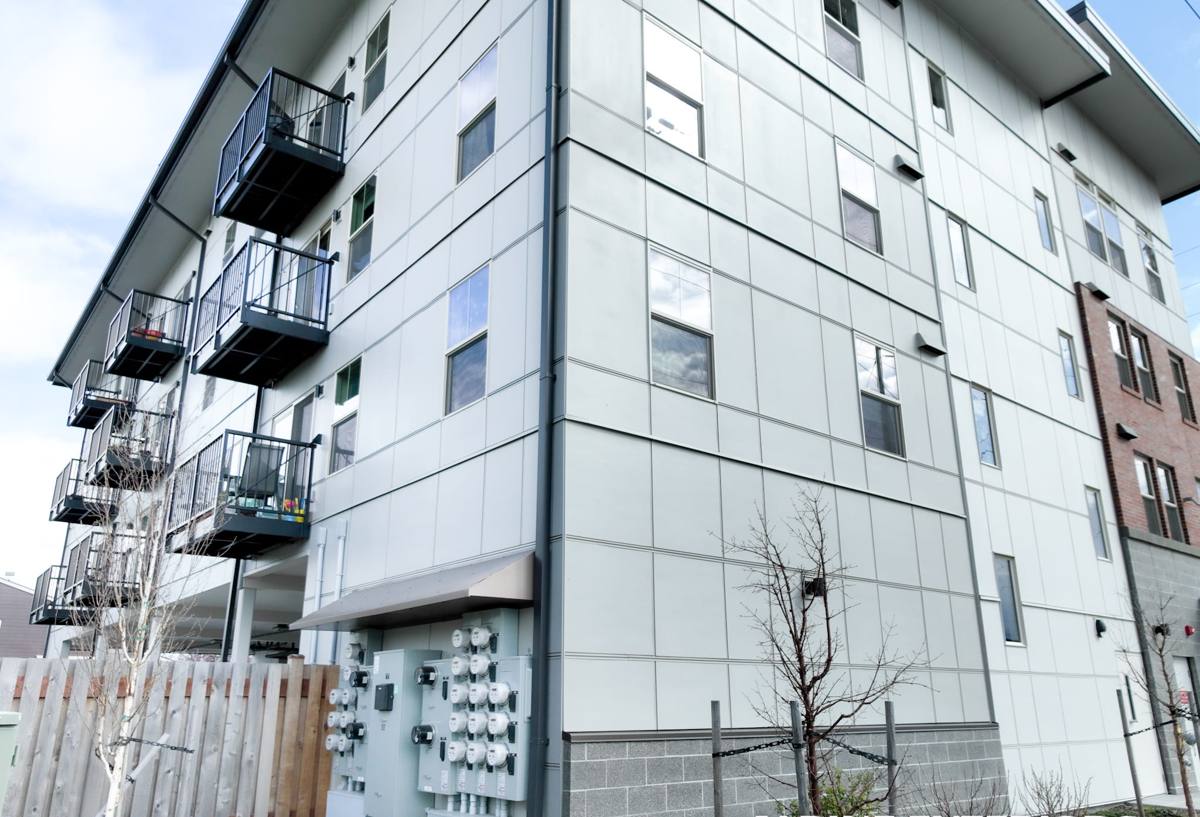
What Land O'Lakes and Pasco County Weather Actually Does to a Window
Wind
Tropical systems and seasonal storms push wind loads against window glass and frames that inland, non-coastal regions never see. Even when a storm doesn't make direct landfall nearby, sustained gusts and pressure changes stress the frame, the anchoring, and the seal around the opening every single season.
UV
Florida sun is relentless almost year-round. UV exposure breaks down cheap vinyl compounds, dries out inferior sealants, and fades or yellows low-quality frames faster than in most of the country. A window rated for a northern climate isn't necessarily rated for this much sun.
Wind-Driven Rain
Rain here rarely falls straight down during a storm — it's driven sideways under pressure, which means it's actively pushed into any gap in the flashing, sealant, or frame-to-wall transition. A window that's watertight in a light rain can still leak badly in a wind-driven event if it wasn't detailed correctly during installation.
Salt Air
Land O'Lakes isn't oceanfront, but Gulf-influenced air still carries enough salt content inland to accelerate corrosion on hardware, fasteners, and lesser-grade metal components over time. It's a slower process than on the coast itself, but it adds up over a 20-30 year window lifespan.
New-Construction Windows vs. Replacement Windows: Not the Same Job
These two jobs get lumped together, but they're installed completely differently, and mixing them up is a common source of problems on new builds.
| Factor | New-Construction Window | Replacement Window |
|---|---|---|
| Installed when | During framing, before siding/stucco and interior finish | After the home is finished, into an existing opening |
| Frame style | Has a nailing fin/flange fastened to the framing | Flangeless, fits inside the existing frame |
| Water management | Integrates directly with the sill pan and weather-resistive barrier | Relies on the existing opening's flashing already being sound |
| Access for correction | Easy — walls are still open | Difficult — finishes are already in place |
| Best suited for | New builds, additions, full wall openings | Existing homes keeping the current opening size |
On a new Trinity build, the window should always go in as a true new-construction unit with a proper nailing flange integrated into the wall's weather barrier — not a retrofit-style unit forced into place because it was on hand or cheaper.
What a Correct New-Construction Window Installation Actually Involves
The window itself is only part of the job. Most leaks and failures we get called out to fix on newer homes trace back to how the opening was prepped and flashed, not a defect in the window unit. A correct install includes:
- Verifying the rough opening is square, level, and sized correctly before the window ever goes in
- Installing a sloped sill pan so any water that gets past the exterior finish drains back out, not into the wall cavity
- Integrating the window's nailing flange with the weather-resistive barrier in the correct shingle-lap order, so water sheds downward and outward at every layer
- Using the right sealant and backer rod at the frame-to-wall joint — not just a bead of caulk over a gap
- Shimming the frame properly so it doesn't bow, twist, or bind once fastened
- Fastening according to the window's tested and approved installation instructions, not generic guesswork
Skip or rush any one of these steps and the window can look fine for a year or two before a stain, soft spot, or musty smell shows up around the frame.
Wind Ratings, Impact Glass, and the Permit Process in Pasco County
New windows on a Trinity build have to meet the wind pressure and windborne-debris requirements set out in the Florida Building Code for this part of Pasco County. In practice, that means every window has to carry a documented product approval — showing it's been tested and rated for the design pressures the home's location, height, and exposure require — and that documentation has to match what's submitted for permit and verified at inspection.
Homeowners often ask whether they need full impact-rated glass or whether an approved window paired with separate storm protection is acceptable. Both approaches exist under the code, and which one makes sense depends on the specific home's plans, elevation, and the builder's or engineer's requirements. We help sort out which option fits a given Trinity lot rather than defaulting to whatever is easiest to install.
Because Pasco County Building Construction Services handles plan review and field inspections for this area, having product approvals, installation details, and fastening schedules lined up correctly before install day avoids the kind of failed inspection that stalls a build schedule.
Our Process for New-Construction Window Installation
- Plan review — we look at the window schedule and specs against the home's actual wind pressure and code requirements before ordering anything.
- Product selection — matching frame material, glass package, and design pressure rating to the specific opening, not a one-size-fits-all unit across the whole house.
- Coordination with the builder or GC — timing the install to the framing schedule so windows go in at the right stage, before the weather barrier and siding close things up.
- Opening verification — checking every rough opening for square, level, and correct sizing before install.
- Installation and flashing — sill pan, flange integration, sealant, and fastening done to the manufacturer's approved instructions.
- Inspection readiness — documentation and fastening left visible and correct for the county inspector, with nothing hidden until sign-off.
- Final walkthrough — operation, seals, and hardware checked before we call the job done.
Frame Material and Glass: What's Worth Paying For in This Climate
Trinity homeowners usually choose between a few frame materials for new construction. Each has real trade-offs worth understanding rather than just picking on price.
| Frame Material | Strengths Here | Trade-Offs |
|---|---|---|
| Vinyl | Budget-friendly, low maintenance, good insulator | Lower-grade compounds can degrade faster under heavy UV over time |
| Aluminum | Strong, slim sightlines, handles wind loads well | Conducts heat, needs a good thermal break for energy performance |
| Fiberglass | Very stable in heat and UV, holds paint well, long lifespan | Higher upfront cost than vinyl |
On the glass side, the impact-rated laminated glass required in many wind pressure zones also does double duty as UV and noise reduction — an added benefit in a sun-heavy, storm-prone area like this. We'll walk through the actual design pressure and glass package required for a given elevation rather than upselling a package the home doesn't need.
Why Hiring a Crew That Already Works in Trinity Matters
A window installed to code somewhere else in the country isn't automatically installed to what Pasco County requires here. Crews that already work new construction in and around Land O'Lakes know the local permitting process, know what the county inspectors are checking for at each stage, and are used to coordinating around builder schedules instead of working against them. That familiarity is the difference between an install that clears inspection the first time and one that gets flagged for missing documentation or an incorrect fastening pattern.
It also matters after the build is done. A crew that knows this climate installs with the next twenty years of sun, wind, and rain in mind — not just what gets the window to pass inspection today.
Caring for New Windows After the Build
- Inspect exterior sealant lines once a year and after any major storm
- Keep weep holes clear of dirt, mulch, or paint overspray so water can drain
- Clean tracks and hardware periodically — salt-tinged air accelerates grit buildup
- Watch for hairline stucco cracking right at the window corners, a common early sign of movement
- Operate hardware (locks, cranks, rollers) a few times a year even on windows you rarely open
- Re-caulk exterior joints if you notice separation — don't wait for a leak to show up inside
If you're building or finishing a home in Trinity and want windows installed correctly the first time — matched to the wind, sun, and rain this area actually sees — we're happy to walk the plans with you and provide a free, no-pressure estimate. Just fill out the form below to get started.