 Land O'Lakes Siding
 An Honest Answer to a Question We Get Often
Homeowners in Land O'Lakes ask us about LP SmartSide more than almost any other product. It's engineered wood siding, it's less expensive than fiber cement, and it's marketed heavily as a durable, budget-friendly option. Some of that reputation is earned. But after years of estimating, tearing off, and repairing siding across Pasco County, we made a deliberate decision: we don't install LP SmartSide. This page explains why, in plain terms, without exaggerating the product's downsides or pretending it doesn't have strengths.
We're not writing this to scare anyone away from a product that works fine in a lot of climates. We're writing it because Land O'Lakes sits in a specific environment — hot, humid, storm-exposed, and close enough to the Gulf that salt air is a real factor — and that environment changes the math on what makes sense to put on a house here for the next 30 years.
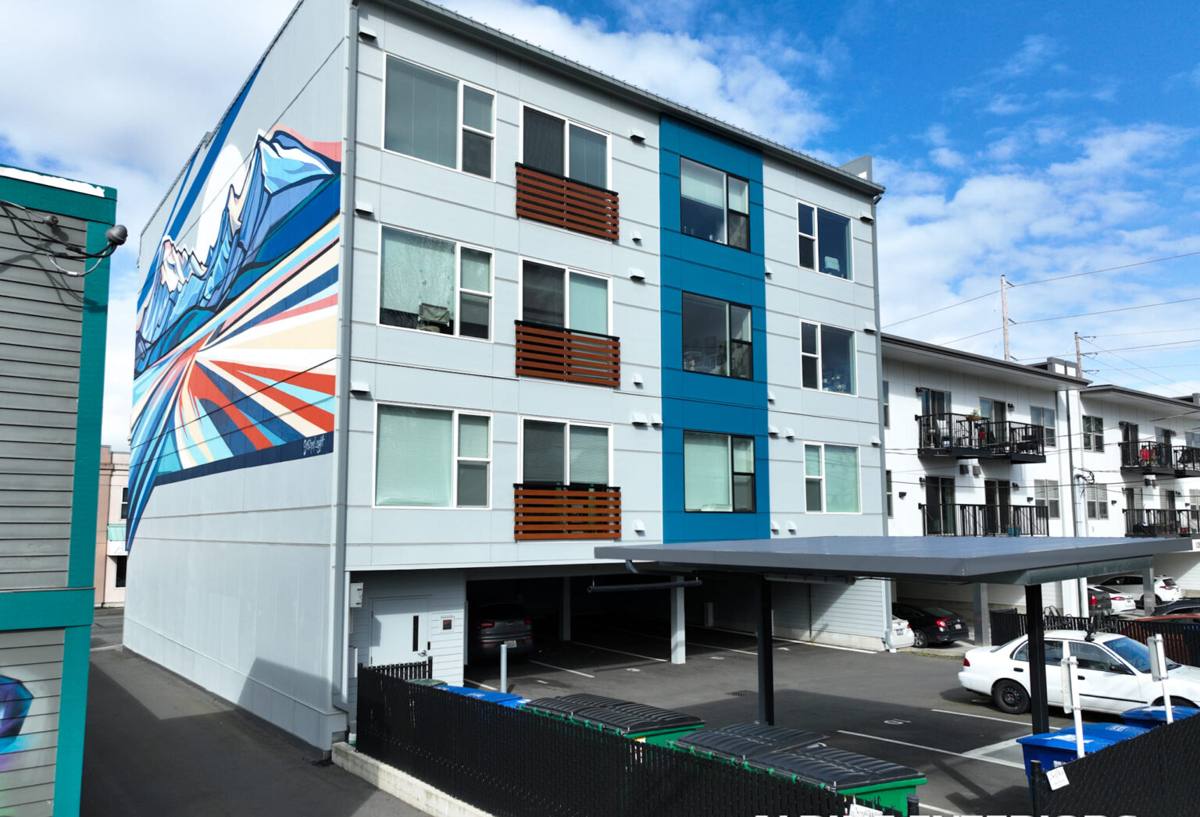
What LP SmartSide Actually Is
LP SmartSide is an engineered wood product: strand-based wood fiber, bonded with resin, treated with a zinc borate preservative, and coated with a resin-saturated overlay to resist moisture at the surface. It comes in lap siding, panels, and trim, and it installs faster and lighter than fiber cement because it's less dense. The zinc borate treatment genuinely helps resist fungal decay and termites compared to old-school untreated wood siding, and LP backs the product with a warranty.
For a lot of markets — drier climates, shorter rainy seasons, moderate humidity — this is a reasonable, cost-effective product. It gives homeowners a wood look without some of the maintenance problems of solid wood siding.
Where It Genuinely Performs Well
- Lighter weight means faster installation and less structural load
- Zinc borate treatment resists termites and fungal decay better than untreated wood
- Lower material cost than fiber cement in most markets
- Accepts paint well and can be finished to look like traditional wood lap siding
Why Florida's Climate Changes the Calculus
The core issue isn't the product's engineering — it's what happens at the edges, seams, and cut ends when it's installed in a climate like ours. Pasco County gets sustained high humidity for most of the year, intense wind-driven rain during hurricane season, and enough tropical storm activity that siding gets tested by more than just weather — it gets tested by water intrusion under pressure.
LP SmartSide's wood-strand core is still, fundamentally, wood fiber. The factory coating protects the face of the board, but every cut end made on site — at corners, window returns, and butt joints — exposes raw substrate unless it's field-sealed correctly and consistently, every time, by every crew member, on every job. In a low-humidity climate, a missed seal on a cut end might go unnoticed for years. In Land O'Lakes, with our rainy season and hurricane-driven wind-driven rain pushing water sideways into laps and joints, an unsealed or under-sealed cut end is where moisture gets in and swelling, delamination, or soft spots start.
Salt air compounds this. It doesn't rot wood fiber directly, but it accelerates the breakdown of caulks, sealants, and paint films faster than inland installations — which means the field-applied protective layer that engineered wood siding depends on has a shorter service life here than in a drier, less coastal-influenced market.
The Installation-Sensitivity Problem
This is really the heart of our decision. LP SmartSide's long-term performance is heavily dependent on installation discipline — every cut sealed, every joint properly flashed, every fastener placed correctly, and every gap caulked before the next crew shows up. That's true of most siding products to some degree, but wood-based products are less forgiving of small lapses than fiber cement, because moisture that gets past the surface has organic material to work on.
We install crews on tight schedules like every contractor does. We don't want a product on our jobs where a single missed cut-end seal, done during a rushed Friday afternoon in July, turns into a callback two years later. That's not a knock on the product's engineering — it's an honest admission about the realities of field installation, and why we'd rather standardize on a substrate that's more forgiving when conditions are less than perfect.
Maintenance Burden Over Time
LP SmartSide requires repainting on a schedule to keep its protective film intact — most manufacturers and painters recommend recoating every 5 to 7 years, sometimes sooner in intense UV and humidity like ours. Miss a cycle, and the clock starts running on moisture getting past a degrading paint film into the wood fiber underneath.
Our year-round UV exposure in Central Florida is intense enough that paint films break down faster here than in northern climates. That means homeowners choosing engineered wood siding in Land O'Lakes are signing up for a more aggressive repainting schedule than the national averages you'll see quoted, just to keep the product performing as designed.
Cost Comparison: Upfront vs. Long-Term
| Factor | LP SmartSide | James Hardie Fiber Cement |
|---|---|---|
| Material cost | Lower upfront | Higher upfront |
| Core material | Wood strand fiber | Cement, sand, cellulose (non-combustible) |
| Repainting cycle | Every 5-7 years typically, sooner in intense UV | ColorPlus factory finish rated 15+ years before repaint needed |
| Moisture sensitivity at cut ends | High — requires diligent field sealing | Lower — cement core doesn't swell or rot |
| Storm/wind-driven rain resistance | Dependent on installation quality | Engineered HZ product lines for high-wind, high-moisture regions |
| Warranty structure | Manufacturer warranty, standard terms | Strong transferable warranty backing installed system |
| Insect/rot resistance | Zinc borate treated | Non-organic core, not a food source for pests or fungus |
The upfront savings on LP SmartSide are real. But when you factor in a shorter repaint cycle, higher sensitivity to installation quality in our specific climate, and the cost of addressing moisture problems if a seal fails, the total cost of ownership over 20-30 years often favors fiber cement for Gulf Coast-adjacent homes.
Why We Standardized on James Hardie Instead
We made a business decision years ago to install one siding system, not seven, so we could get genuinely good at installing it correctly — flashing details, fastener patterns, joint treatment, all of it — rather than being average at a dozen products. James Hardie fiber cement won that decision for a few specific reasons that matter in Pasco County:
- Non-combustible core — cement, sand, and cellulose fiber, not organic wood material that can absorb moisture or feed fungal growth
- ColorPlus factory-applied finish — baked-on color that resists fading and chipping far longer than field-applied paint, which matters under our UV load
- Climate-engineered HZ product lines — Hardie makes region-specific formulations for high-humidity, high-wind-exposure areas like ours
- Dimensional stability — cement-based board doesn't swell, cup, or delaminate the way wood-based products can when a seal fails
- Strong transferable warranty — backing that follows the house through a sale, which matters to buyers here given how often Florida homes change hands
It isn't the cheapest siding on the market, and we tell customers that upfront. It's the product we're willing to put our name behind for a house that's going to face 30 hurricane seasons.
What to Ask Before You Choose Engineered Wood Siding
If you're getting quotes and a contractor is proposing LP SmartSide or another engineered wood product, these are fair questions to ask regardless of who you hire:
- How will every cut end and joint be sealed, and is that spelled out in the written scope of work?
- What's the manufacturer's recommended repainting interval for a coastal Florida climate specifically?
- Does the installer have documented experience with this product in wind-driven rain conditions?
- What does the warranty actually cover if moisture gets into a seam — material only, or labor too?
- How does the total 20-year cost compare once repainting cycles are factored in?
Our Bottom Line
LP SmartSide isn't a bad product — it's a product built for a climate profile that isn't quite Land O'Lakes. Our humidity, our wind-driven rain during storm season, our intense year-round sun, and the salt air drifting in off the Gulf all put more stress on installation-sensitive, moisture-permeable materials than most of the country deals with. We'd rather install one product exceptionally well than several products adequately, and for the climate we work in, that product is James Hardie fiber cement.
If you're weighing siding options for a home in Land O'Lakes or anywhere in Pasco County, we're happy to walk through what we'd actually recommend for your house and why — no pressure, no sales script. Reach out for a free estimate and we'll give you the same straight answer we've given here.