 Land O'Lakes Siding
 Siding That Holds Up in Citrus Park
Citrus Park sits in the growth corridor between Land O'Lakes and the greater Tampa Bay area, and homes here run the gamut from older ranch-style houses to newer construction in planned communities. What almost every one of them shares is exposure to the same punishing climate: long, humid summers, sudden afternoon downpours, hurricane-season wind events, and UV intensity that doesn't let up for most of the year. Siding in this part of Pasco County isn't just a cosmetic choice — it's the layer standing between your home and everything Florida weather throws at it.
We install James Hardie fiber cement siding exclusively. That's not a marketing angle — it's the result of years of seeing how different siding materials actually perform once they've spent a few Florida summers on a real house. Below is an honest look at what Citrus Park homes are up against and how proper siding, roofing, window, and deck work addresses it.
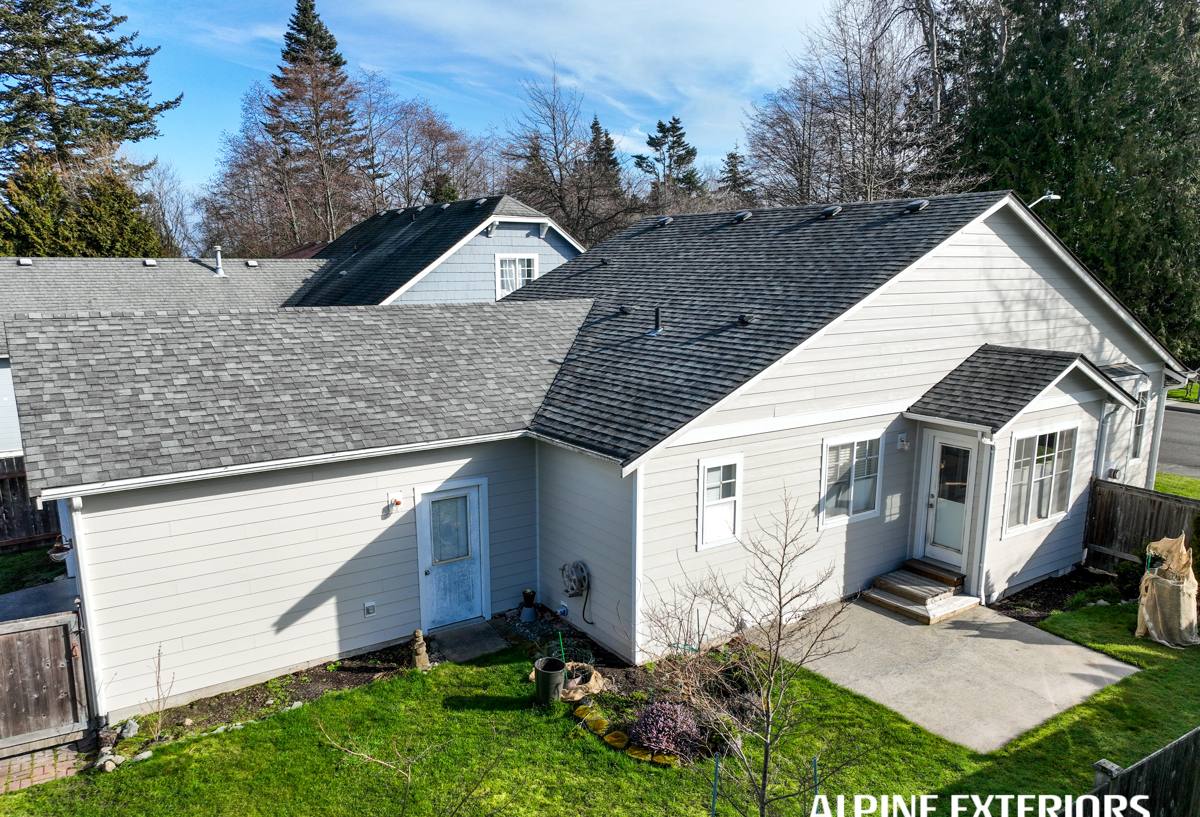
What the Climate Actually Does to a House Here
Heat and UV Exposure
Pasco County sees intense, near-constant sun exposure most of the year. On sun-facing walls, siding takes a steady beating from UV radiation, which breaks down pigments and softens certain plastics and coatings over time. This is why fading and chalking show up unevenly on a house — the west and south exposures age faster than the shaded sides.
Wind-Driven Rain
Florida rain rarely falls straight down. Storms push rain sideways into wall assemblies, working into seams, laps, and fastener points. Over years, siding materials that swell, absorb moisture, or rely on caulked joints to stay sealed tend to develop soft spots, staining, or hidden rot behind the surface — long before it's visible from the curb.
Hurricane-Force Wind
Even when a storm doesn't make direct landfall nearby, Citrus Park still feels tropical-storm-force gusts most seasons. Siding has to stay fastened and intact under sustained wind loads, not just survive one storm — it has to do that reliably, year after year, without the fasteners working loose or the panels flexing enough to crack.
Humidity and Moisture Cycling
High ambient humidity means siding rarely gets to fully dry out between rain events. Materials that take on moisture and then dry repeatedly go through expansion and contraction cycles that stress paint film, joints, and the substrate itself.
Salt and Coastal Influence
While Citrus Park isn't beachfront, the broader Tampa Bay air carries salt content that travels further inland than most people expect, especially with onshore wind patterns. Salt-laden moisture accelerates corrosion of fasteners and trim and adds another layer of wear to exterior materials.
Why We Install Only James Hardie Fiber Cement
We made a deliberate decision years ago to standardize on James Hardie and stop installing other siding materials. That includes vinyl, LP SmartSide, and other fiber cement brands like Cemplank or Allura, as well as primed wood products like spruce or cedar lap. Each of those products has legitimate uses and a customer base, but for the specific climate stresses Citrus Park homes deal with, we found Hardie held up more consistently over the long run.
- Non-combustible core: Hardie's fiber cement composition doesn't feed a fire the way wood-based or vinyl products can, which matters for insurance conversations and peace of mind alike.
- Engineered for humid, high-UV climates: Hardie's HZ5 product line is specifically formulated for regions like ours, addressing moisture and heat performance rather than using a one-size-fits-all national spec.
- ColorPlus factory finish: a baked-on finish applied under controlled conditions holds color and resists UV fade better than field-applied paint, which is especially relevant on those hard-hit west and south exposures.
- Dimensional stability: fiber cement doesn't expand and contract with humidity the way wood or vinyl can, so seams and fastener lines stay tighter over time.
- Transferable warranty: a strong, documented warranty that adds real value if you sell the home down the road.
None of this means other products are junk — vinyl is inexpensive and low-maintenance for the right budget, and LP SmartSide has its own following. But once we started tracking how materials aged on actual Pasco County homes, fiber cement done right consistently outperformed the alternatives, and we decided to build our business around installing one product correctly rather than several products adequately.
How This Plays Out on a Real Citrus Park House
Siding Installation
Correct installation matters as much as the material itself. That means proper starter strips, correct fastener spacing and type (stainless or hot-dip galvanized, given the salt-air factor), correct clearances from rooflines and grade, and properly flashed and caulked penetrations at windows, hose bibs, and light fixtures. Hardie installed to manufacturer spec is a different product, in practical terms, than the same siding installed with shortcuts.
Roofing
Siding and roofing work together as a system. A roof that isn't shedding wind-driven rain correctly at the fascia, soffit, and flashing lines will send moisture straight into the top course of siding, regardless of how good that siding is. We look at roof-to-wall transitions as part of any siding project in this area.
Windows
Window flashing and integration with the siding plane are common failure points on older homes in this region. Poorly flashed windows are one of the most frequent sources of hidden moisture damage we find when we open up a wall during a siding replacement.
Decks
Outdoor living is a big part of why people move to this area, and decks face their own version of the same problems — UV breakdown, moisture cycling, and fastener corrosion. We build and repair decks with the same climate-first mindset we apply to siding.
Comparing Common Siding Materials in This Climate
| Material | Moisture Behavior | UV/Fade Resistance | Maintenance Burden |
|---|---|---|---|
| James Hardie Fiber Cement (HZ5) | Dimensionally stable, engineered for humid climates | ColorPlus factory finish resists fading | Low — occasional wash, no repainting cycle with ColorPlus |
| Vinyl | Doesn't absorb water but can warp/buckle in heat | Can fade and become brittle under sustained UV | Low, but not repairable — damaged panels are replaced |
| LP SmartSide (engineered wood) | Treated to resist moisture, but wood-based core is moisture-sensitive at cut edges/damage | Requires field-applied paint maintenance | Moderate — edge sealing and repainting over time |
| Primed Wood (spruce/cedar) | Absorbs moisture readily; prone to swelling and rot in humid climates | Paint film breaks down faster under intense UV | High — regular repainting and moisture monitoring |
Why a Local Crew Matters
Anyone can order Hardie board. Installing it correctly for a Citrus Park roofline, in Pasco County's humidity, with the right fastening for our wind exposure, is a different skill set than installing the same product in a dry climate. A crew that works this specific area regularly knows which details — flashing at roof transitions, fastener corrosion resistance, correct clearances — actually matter here, because we've seen what happens when they're skipped.
Local also means accountability. If something needs a warranty follow-up or a question comes up two years after installation, you're calling a company that's still working in your neighborhood, not chasing down a crew that moved on to another region.
What to Look For When Hiring for Exterior Work
- Manufacturer-specific installation training or certification, not just general contracting experience
- A written scope that specifies fastener type, starter strip approach, and flashing details — not just "siding replacement"
- Proper licensing and insurance for Florida exterior work, including wind-mitigation awareness
- Willingness to explain trade-offs between materials honestly, rather than pushing whatever they happen to stock
- References or completed work you can actually see in this region, not just photos from elsewhere
- A clear warranty explanation — both the manufacturer's and the installer's labor warranty
Cost Factors Homeowners Should Understand
Every Citrus Park home is different, so we don't quote prices without seeing the house, but a few factors consistently move the number:
- Whether existing siding needs to be removed and the substrate inspected for hidden moisture damage
- Home size, wall complexity, and number of stories
- Trim, soffit, and fascia work bundled into the same project
- Whether roofing or window issues are discovered mid-project that need addressing first
- Product selection within the Hardie lineup (lap siding, panel, shingle-style, and trim options each price differently)
An accurate number only comes from an in-person look at the house — anything else is a guess.
If your Citrus Park home is due for new siding, or you're not sure whether what's on the walls now is holding up the way it should, we're happy to take a look. Fill out the form below for a free, no-pressure estimate.