 Land O'Lakes Siding
 Building a Deck That Actually Holds Up in Trinity
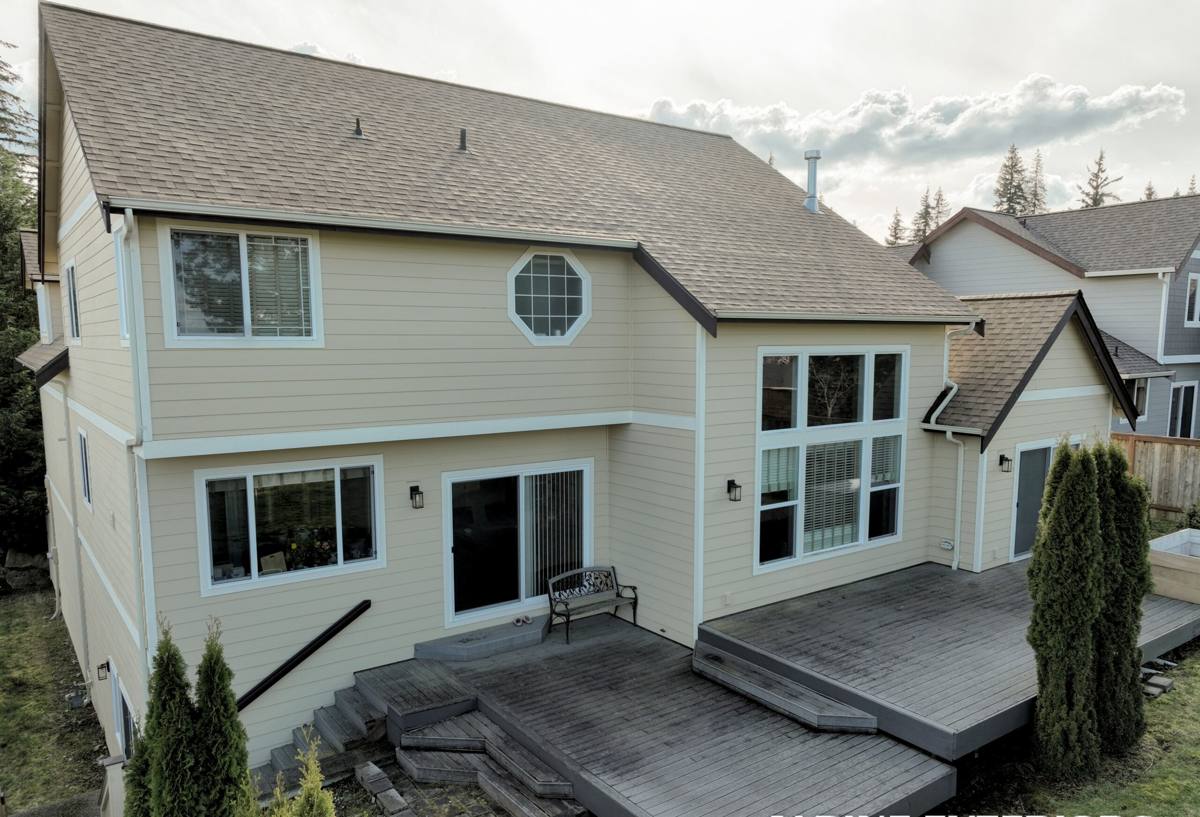
Trinity is one of the more established residential pockets in the Land O'Lakes area, and a lot of the homes here were built with a screened lanai or a small concrete patio but no real outdoor living space beyond that. A deck extends what you can actually use — but only if it's built for what Pasco County weather does to exposed wood and hardware year-round. A deck that would last two decades in a drier, milder climate can start showing real problems in five or six years here if it wasn't built with our conditions in mind.
This page is specifically about deck building for the Trinity neighborhood of Land O'Lakes — not a general overview of decks everywhere. The material choices, fastener specs, and drainage details that matter most change depending on sun exposure, tree cover, and how close a yard sits to standing water or low-lying ground, and those things vary block to block even within one community.
What Trinity's Climate Actually Does to a Deck
Sun and UV Exposure
Central Florida gets some of the most intense year-round UV exposure in the continental US. On a deck, that shows up as fading, surface checking (small cracks across the grain), and — on lower-grade composite boards — a chalky, faded look within a few years. Wood decking that isn't sealed and re-coated on schedule will gray and split faster here than almost anywhere else in the country.
Wind-Driven Rain and Humidity
Pasco County sees frequent afternoon thunderstorms for a good chunk of the year, and a lot of that rain doesn't fall straight down — wind pushes it sideways into fascia boards, ledger connections, and any gap where water can sit instead of run off. Combined with the region's high year-round humidity, that means any wood that stays damp between rain events is at real risk for rot, and any fastener that isn't rated for wet, humid conditions is at risk for corrosion.
Storm and Wind Loads
Land O'Lakes isn't directly coastal, but it's still well within reach of tropical storm and hurricane-force wind events most years. A deck's railing posts, ledger attachment to the house, and footing depth all need to be sized for real wind uplift and lateral load — not just the minimum that would pass in a calmer climate. This is a structural question, not a cosmetic one, and it's where a lot of older or DIY-built decks fall short.
Choosing the Right Decking Material for This Neighborhood
There's no single "best" decking material — the right call depends on how much sun the deck gets, how much upkeep you actually want to do, and your budget. Here's how the common options compare for a Trinity-area build:
| Material | Upfront Cost | Maintenance | Heat Retention | Typical Lifespan Here |
|---|---|---|---|---|
| Pressure-treated pine | Lowest | Annual sealing/staining recommended | Moderate | 10-15 years with upkeep |
| Tropical hardwood (e.g. ipe) | High | Periodic oiling to maintain color | Lower than composite | 25+ years if maintained |
| Capped composite | Mid-High | Low — occasional washing | Higher; darker colors get hot in direct sun | 25-30 year warranty range, varies by brand |
| PVC decking | High | Very low | Highest of the group in dark colors | Long-lasting, brand-dependent warranty |
We'll walk through these trade-offs with you honestly rather than pushing whatever has the best margin. A shaded backyard deck under mature oak canopy — common in parts of Trinity — behaves very differently than a full-sun deck off the back of a house with no tree cover, and that should factor into the material decision.
Why We're Selective About Uncapped Composite
Older, uncapped composite boards (wood fiber blended with plastic but no protective outer shell) can absorb moisture at the core over time, especially in a humid climate like ours, which leads to swelling, staining, and mold growth on the surface. Our standard is to use capped composite or PVC products when a homeowner wants a low-maintenance board, specifically because the capped outer layer resists moisture absorption and UV fading far better. It's a maintenance and moisture-behavior call, not a knock on composite decking as a category.
What a Correctly Built Deck Involves
Footings Sized for Local Soil and Load
Florida doesn't have frost-depth concerns the way northern states do, but footing depth and diameter still need to be sized correctly for the load the deck will carry and the wind uplift it needs to resist. Soil composition varies across Trinity's lots, and we check ground conditions on site rather than assuming a one-size footing spec.
Ledger Attachment and Flashing
The ledger board — where the deck attaches to the house — is the single most common failure point on decks nationally, usually from water intrusion behind the ledger rotting out the house's rim joist. Proper flashing, correct fastener spacing, and a small gap for drainage between the ledger and siding are non-negotiable details, especially given how much wind-driven rain this area gets.
Fasteners and Hardware
Standard interior-grade screws and untreated hardware corrode fast in Florida's humidity and, in areas closer to the coast, salt air. We use stainless steel or coated fasteners rated for exterior and ground-contact use, along with corrosion-resistant structural connectors at every load-bearing joint.
Permitting and Code Compliance
New decks in unincorporated Pasco County — which includes Trinity — generally require a building permit and inspection, with requirements tied to size, height, and whether the structure is attached to the house. We handle the permitting process as part of the job rather than leaving it on the homeowner, and we build to current code rather than to what may have passed inspection years ago.
Our Process for a Trinity Deck Build
- Site visit — We look at sun exposure, drainage, existing structure (if replacing a deck), and how the space will actually be used.
- Design and material selection — We talk through layout, railing style, and decking material trade-offs based on your budget and how much maintenance you want long-term.
- Permitting — We prepare and submit what Pasco County requires for your specific project.
- Demo (if applicable) — Removal of an existing deck or structure, checking the ledger area and framing underneath for hidden rot.
- Framing and structural work — Footings, posts, beams, and joists built to current code and sized for real wind and load conditions.
- Decking, railing, and finish work — Installation of the chosen decking material, railing system, stairs, and any fascia or skirting.
- Inspection — Final county inspection sign-off.
- Walk-through — We go over care and maintenance specific to the material you chose.
Signs an Existing Deck Needs Attention
If you're weighing a rebuild versus a repair, or just want to know what to watch for on a deck you already have, these are the issues we see most often on older decks in this climate:
- Soft, spongy, or spring-back boards when you walk across them
- Rust streaking or corrosion around fastener heads
- Gaps, staining, or dark discoloration where the deck meets the house (ledger area)
- Wobble or movement in railing posts
- Wood that's gone gray and dry with visible surface checking or splitting
- Standing water or slow drainage after a rain instead of water shedding off the deck
- Composite boards that have swelled, delaminated, or show mold spotting on the surface
Any one of those on its own might just be a maintenance item. Several together, especially near the ledger or footings, usually means it's worth a structural look before it becomes a safety issue.
Why a Crew That Already Works Trinity Matters
A deck built by a crew unfamiliar with this specific area is more likely to miss the details that matter here — the drainage patterns on Trinity's lots, how much afternoon sun a given orientation actually gets through the growing season, and what Pasco County's inspectors are going to want to see before they'll sign off. Working this area regularly also means we're not guessing at typical HOA aesthetic guidelines or setback questions that come up on repeat in this community — we've already had those conversations before.
It also means accountability. A local crew has a reputation in this specific market to protect, and we're not disappearing to another region after the job wraps.
What Affects the Cost of a Trinity Deck
| Factor | Why It Matters |
|---|---|
| Size and footprint | More square footage means more material, footings, and labor |
| Material choice | Pressure-treated, hardwood, composite, and PVC span a wide cost range, as shown above |
| Height and stairs | Elevated decks need more structural framing and railing than ground-level ones |
| Site access and prep | Tree removal, grading, or tearing out an old structure adds time and cost |
| Railing and finish details | Cable rail, custom post caps, and built-in features add to the base cost |
We don't publish blanket per-square-foot pricing because these factors genuinely move the number enough that a generic figure would be misleading. What we can do is give you a real, itemized quote after seeing the site.
Let's Look at Your Trinity Property
If you're planning a new deck or trying to figure out whether an existing one is worth repairing or replacing, we're glad to come take a look. There's no pressure and no obligation — just a straight assessment of what your yard, sun exposure, and budget call for, and a written estimate you can take your time with.