 Land O'Lakes Siding
 Storm Damage Roof Repair in Trinity: What Local Homes Are Up Against
Trinity sits inland from the Gulf, but that doesn't mean the roofs here get an easy ride. Pasco County still catches the outer bands and full force of tropical systems moving through the Tampa Bay area, and Trinity's mostly residential, tree-lined neighborhoods take a real beating when hurricane-force winds roll through. Add in Florida's relentless year-round UV exposure, wind-driven rain that finds every weak seam, and salt-laden air pushed inland from the coast, and you end up with roofs that age faster here than they would in most parts of the country.
What makes storm damage tricky is that it rarely announces itself all at once. A wind event can lift a corner of shingles, crack a tile, or work a fastener loose without leaving an obvious hole in your ceiling. Weeks or months later, that small breach becomes a leak, then a stain, then rotted decking. We've built our storm damage repair process around catching and fixing that damage correctly the first time, specifically for the roofing systems common in Land O'Lakes and Trinity homes.
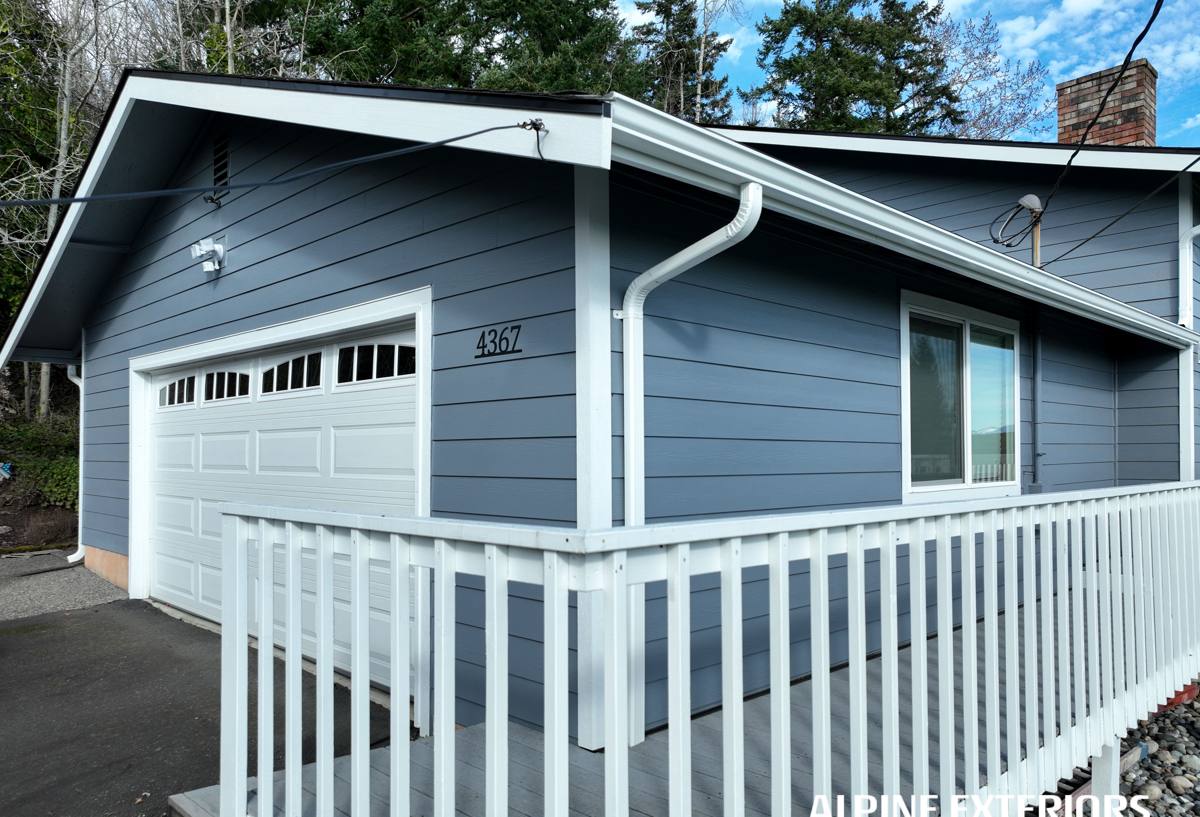
Recognizing Storm Damage Before It Spreads
Most homeowners don't climb onto their own roof after a storm, and honestly, they shouldn't. But there are signs of storm damage you can spot safely from the ground or from inside your attic that tell you it's time to get a professional look.
Signs You Can See From the Ground or Inside
- Shingles that look curled, cracked, creased, or are missing outright, especially after high winds
- Cracked, slipped, or displaced roof tiles, particularly near ridges and edges where wind pressure is highest
- Granules collecting in gutters or at downspout outlets after a storm
- Water stains or discoloration on ceilings or upper interior walls
- Daylight visible through the roof deck when you check the attic
- Soft or sagging spots when you walk the attic floor near the roof line
- Debris punctures or dents from wind-blown branches, storm debris, or hail
- Flashing that's bent, lifted, or pulled away around chimneys, vents, and skylights
Why Waiting Costs More
A cracked tile or a lifted shingle tab isn't dramatic on its own, but Florida's rain doesn't need a big opening to get in. Wind-driven rain during the next storm will find that gap and push water sideways and upward under the roofing material. Left alone through even one more rainy season, that small entry point can lead to rotted decking, damaged insulation, and mold growth that costs far more to fix than the original repair would have.
What a Correct Storm Damage Repair Actually Involves
A proper storm damage repair is more than patching the spot that's obviously broken. Wind and water damage almost always extends beyond the visible problem area, and a repair that only addresses what's easy to see tends to fail again in the next storm.
Diagnosing the Full Extent of Damage
We start every storm repair with a full inspection of the affected roof plane, not just the specific spot reported. That means checking surrounding shingles or tiles for lifted seals and hairline cracks, examining the underlayment where it's exposed, and inspecting the decking underneath for soft spots or water intrusion. Wind damage in particular tends to compromise the seal strip on shingles well beyond the tabs that actually blew off, which is why a repair limited to "replace what's missing" often leaves weak points that fail in the next event.
Matching Materials and Manufacturer Specs
Repairs need to match the existing roofing system, not just in color and profile but in how they're installed. Shingle repairs need proper nail placement and sealant to restore wind resistance; tile repairs need the correct fastening method for the tile profile and underlying deck. When we can, we match materials to the original manufacturer's specifications so the repaired section performs the way the rest of the roof was designed to.
Underlayment and Decking
If water has reached the underlayment or decking, replacing the visible roofing material without addressing what's underneath just seals a problem inside your roof. Any wet or compromised decking gets replaced, and underlayment is restored to current code-minimum standards in the repaired area before new roofing material goes back on.
Our Storm Damage Repair Process
Homeowners dealing with storm damage are usually stressed enough without also trying to figure out what happens next. Here's how we handle it.
- Initial contact and scheduling. We get a general description of the damage and get an inspection on the calendar, prioritizing active leaks.
- On-site inspection. We examine the roof, attic, and interior for the full scope of damage, and photograph what we find for both our records and any insurance claim.
- Written estimate. You get a clear, itemized explanation of what needs repair, what materials will be used, and what it will cost, before any work starts.
- Temporary protection if needed. If a leak is active, we can install tarping or temporary sealing to stop water intrusion while the full repair is scheduled.
- Repair work. Our crew completes the repair, matching materials and installation methods to the existing roof system.
- Final walkthrough. We review the completed work with you, including photos of the repair before it's closed up, so there are no surprises.
Repair or Replace? How We Make That Call
Not every storm-damaged roof needs to be replaced, and not every roof can be safely patched back to health. We give you an honest read on which situation you're in, based on the roof's age, the extent of the damage, and how much of the roofing system is affected.
| Factor | Leans Toward Repair | Leans Toward Replacement |
|---|---|---|
| Roof age | Roof is well within its expected service life | Roof is already near or past the end of its expected lifespan |
| Extent of damage | Damage is isolated to one area or plane | Damage is scattered across multiple areas or planes |
| Underlying decking | Decking is dry and sound | Widespread rot or repeated water intrusion into the deck |
| Material availability | Matching shingles or tiles are available | Discontinued material makes seamless matching impossible |
| Prior repair history | First significant repair on this roof | Roof has needed multiple storm repairs in recent years |
We'll never push a full replacement when a targeted repair will genuinely hold up, and we'll be equally direct if a repair would just be a temporary fix on a roof that's telling you it's done.
Working With Your Insurance Claim
Many storm damage repairs in Trinity involve a homeowner's insurance claim, and the paperwork can be as frustrating as the damage itself. We're not a public adjuster and we don't negotiate your policy for you, but we do provide the documentation adjusters actually need: detailed photos, a written scope of the damage, and an itemized estimate that reflects the actual repair work required. If your adjuster's assessment doesn't match what we find on the roof, we can walk through the discrepancy with you so you understand what you're looking at before you sign off on anything.
Why a Crew That Already Works in Trinity Makes a Difference
Roofing in this part of Pasco County isn't identical to roofing in a colder, drier climate, and it isn't identical to roofing on the immediate coastline either. Crews who regularly work Trinity and the wider Land O'Lakes area know the roofing profiles and tile styles common in the neighborhoods here, understand how local building codes apply to storm repairs, and have a feel for how quickly a small leak turns into a bigger problem in Florida's humidity. That local familiarity means fewer surprises during the inspection, a faster read on whether a repair or replacement is the right call, and a crew that shows up understanding the climate conditions your roof has actually been living through.
It also matters after the work is done. A local crew is accountable to the same community it just worked in, which tends to show up in the quality of the workmanship and the willingness to come back and make something right if it isn't.
Keeping Your Roof Storm-Ready Between Events
Hurricane season isn't a once-a-year event you can forget about the rest of the time. A little attention between storms goes a long way toward reducing damage when the next one hits.
- Trim back tree limbs that overhang the roof, especially ones that could break off in high wind
- Keep gutters and downspouts clear so wind-driven rain has somewhere to go
- Have your roof inspected after any named storm, even if you don't see obvious damage
- Address small issues, like a lifted shingle or a hairline-cracked tile, before the next storm finds them
- Check attic ventilation periodically, since poor airflow accelerates heat and moisture damage between storms
None of this eliminates storm risk in this part of Florida, but it does reduce how much damage a given storm can cause and how much repair work you'll need afterward.
If your Trinity home has storm damage, or you're not sure whether recent wind and rain left a mark, we're happy to take a look. Reach out for a free, no-pressure estimate using the form below and we'll give you a straight answer about what your roof actually needs.