 Land O'Lakes Siding
 Cedar comes up a lot when Land O'Lakes homeowners describe the exterior they're picturing — warm wood tones, real grain, a look that feels custom rather than off-the-shelf. We get the appeal. We also don't install it. Our company installs James Hardie fiber cement siding exclusively, and we think anyone weighing cedar for a Pasco County home deserves a straight, specific answer about why we made that call, not just a shrug and "we don't do that one." That's what this page is.
What Cedar Siding Actually Gets Right
Cedar earns its reputation honestly. Western red cedar and similar species carry natural oils that give them a real head start on decay and insect resistance compared to most other softwoods, and the material takes stain or a clear finish in a way manufactured products still try to imitate. It's light, easy to work with on site, and the grain pattern gives a house a texture and warmth that a lot of homeowners simply prefer looking at. If that's the look you want, we're not going to pretend the pull isn't real.
Cedar is also a renewable, natural resource, and a well-finished, well-maintained cedar exterior can last for decades. There are cedar homes around the Tampa Bay area that have been kept up on schedule and still look sharp. The word doing the work in that sentence is "maintained," and what that actually requires, year after year, in a Pasco County climate is the part most homeowners underestimate before they commit.
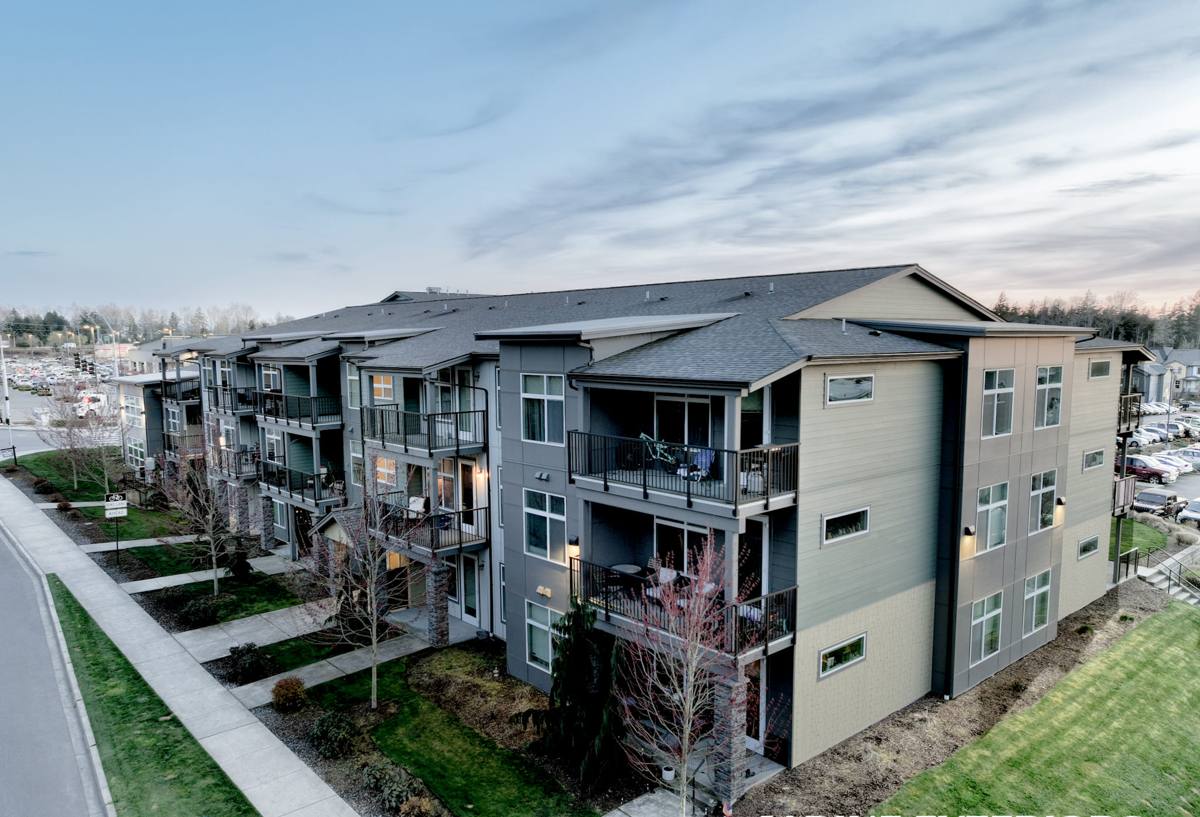
What Land O'Lakes Weather Does to Wood Siding
Land O'Lakes sits inland from the Gulf, but "inland" in Pasco County still means intense, nearly year-round UV exposure, a wet season that delivers heavy, wind-driven rain most afternoons in summer, and enough proximity to Tampa Bay and the Gulf that salt-tinged air reaches inland neighborhoods more than most people expect. Add hurricane season's periodic direct hits of sustained high wind and driving rain, and you've got a climate that tests a wood-based finish harder, and more often, than drier or more sheltered parts of the country.
UV alone is a serious factor here. Florida sun breaks down field-applied stains and clear coats faster than almost anywhere else in the continental U.S., which shortens the refinishing interval a cedar exterior needs to stay protected. Layer in humidity that keeps wood surfaces from ever fully drying out between rain events, and wind-driven rain that gets forced sideways into joints, corners, and end grain during storms, and you have three separate stresses working on the same finish at the same time, nearly every month of the year.
Where Cedar Actually Starts to Fail
Cedar failure is rarely dramatic. It's a slow, localized process: a stain film thins under UV exposure and lets bare wood start absorbing moisture, a butt joint's caulk cracks and opens a path for wind-driven rain, a board near grade or under a gutter downspout stays damp longer than the rest of the wall and starts to soften. Because wood is an organic material, sustained moisture in those localized spots leads to cupping, checking, or outright decay — and because it happens gradually, it's easy for a homeowner to not notice until a board needs full replacement instead of just a fresh coat.
The Maintenance Schedule Cedar Actually Requires
Cedar gets marketed as "low-maintenance" compared to raw, unfinished wood, and that's technically fair. But it isn't maintenance-free, and in Pasco County's sun and storm cycle, the real schedule is tighter than most people expect going in.
| Task | Typical interval in this climate | What happens if it's skipped |
|---|---|---|
| Re-staining or refinishing | Every 2-3 years, sooner on south- and west-facing walls | UV breaks the finish down faster than expected, bare wood starts absorbing humidity and rain |
| Caulk inspection and renewal | Annually, before hurricane season | Cracked caulk gives wind-driven rain a direct path into the wall assembly during storms |
| Mold and mildew treatment | Seasonally, especially on shaded or humid-side walls | Organic growth traps moisture against the wood and accelerates finish and substrate breakdown |
| Inspection near grade, gutters, and downspouts | Annually | Splash-back and prolonged dampness are common starting points for rot |
| Post-storm inspection | After any named storm or significant wind event | Wind-driven debris and water intrusion can go unnoticed until decay is already underway |
| Board replacement | As needed, usually localized | Deferred repair lets decay spread to adjacent boards and fasteners |
None of that is a defect in cedar as a material — it's what a natural, organic product needs from its owner to perform the way it's capable of performing. In Pasco County, that schedule is more demanding, and less forgiving of a missed year, than it would be somewhere with milder UV and a shorter, drier storm season.
Installation Sensitivity Is Where the Real Risk Lives
Cedar's long-term performance depends heavily on installation details that are easy to rush and hard to spot once the crew has moved on — back-priming every board before installation, keeping proper clearance from grade and roof lines, flashing every window and door opening correctly, and using fasteners that won't corrode and streak the wood in a humid, salt-tinged environment. Skip or rush any one of those steps and you've built in a weak point that might not show a problem for a year or two.
That's not a criticism of cedar's engineering — it's a solid wood product doing what solid wood products do. It's an honest statement about how much of cedar's real-world durability rides on getting every one of those details right, on every board, and then keeping up the maintenance that protects those details for the life of the siding. In a climate that brings intense UV, wind-driven rain, and hurricane-force wind on a recurring basis, we don't think that's a risk worth putting on a homeowner's shoulders.
Fire and Wind: The Other Side of the Ledger
Wood siding is combustible, which matters anywhere but carries extra weight in a state where dry lightning season and stray ignition sources are a real, if occasional, concern. Fiber cement siding is non-combustible by nature of what it's made from. Wind performance matters just as much here — Pasco County sits well within Florida's hurricane exposure zone, and siding has to survive sustained high wind and wind-driven debris, not just look good on a calm day. These aren't abstract concerns for a coastal-adjacent county; they're part of what any siding decision here has to account for.
Cost Over Time: Cedar vs. James Hardie Fiber Cement
| Factor | Cedar Siding | James Hardie Fiber Cement |
|---|---|---|
| Core material | Solid or engineered wood — organic | Cement, sand, and cellulose fiber — non-organic |
| Combustibility | Wood, combustible | Non-combustible |
| UV and moisture behavior | Resistant when finished and maintained; vulnerable at cuts, joints, and grade | Does not swell, rot, or delaminate from UV or moisture exposure |
| Finish | Field-applied stain or paint; recoating required on a set schedule | Factory-baked ColorPlus finish available; far less field maintenance |
| Mold and mildew resistance | Wood substrate readily supports growth if maintenance lapses | Inorganic substrate doesn't feed mold and mildew the way wood does |
| Wind and storm performance | Dependent on correct fastening and back-priming at installation | Engineered HZ product lines rated for high-wind, storm-prone regions |
| Warranty structure | Typically limited or tied to finish maintenance compliance | Strong transferable warranty backed by manufacturer |
| Upfront material cost | Higher once milling grade and finish are factored in | Moderate to higher, with lower ongoing maintenance cost |
Cedar's upfront cost is often higher than homeowners initially expect once you factor in grade of lumber and finish quality, and the recurring refinishing schedule adds real cost over a 15- to 20-year window that rarely makes it into a first-glance comparison. That's not a knock on the material — it's the full picture a homeowner deserves before deciding.
Why We Standardized on James Hardie
We made a company-wide decision to install one siding product, and it's James Hardie fiber cement. It's non-combustible, which matters in any climate and especially in one with a real fire season. It has no organic core for UV, humidity, or salt-tinged Gulf air to work into over time, which matters a great deal in Pasco County specifically. The ColorPlus factory finish is baked on under controlled conditions and backed by its own product warranty against fading and cracking — a real advantage over field-applied stain when the Florida sun is working against any finish nearly every day of the year. Hardie also builds HZ product lines engineered specifically for humid, high-moisture, storm-prone regions like ours, rather than a single generic formulation sold everywhere.
It also comes with a strong transferable warranty, which matters to homeowners who might sell down the road — buyers and inspectors increasingly ask what's on the exterior, and a documented Hardie installation is a far easier conversation than a cedar exterior with a refinishing history to explain. Installed correctly, it's the product we've seen hold up through repeated wet seasons and storm cycles on this coast without asking a homeowner to carry cedar's recurring maintenance risk.
What Correct Siding Installation Should Include
Whatever product a homeowner ultimately chooses, a few installation basics separate work that lasts from work that doesn't. Before hiring anyone for a siding project in Land O'Lakes or elsewhere in Pasco County, look for these:
- Proper clearance maintained between the siding and grade, decks, and roof lines
- Correct flashing at every window, door, and roof-to-wall intersection
- Fasteners rated for humid, salt-exposed climates, placed to the manufacturer's spacing spec
- A written manufacturer warranty the installer is actually certified to back
- A clear answer about what maintenance the product will require, and how often
- A contractor willing to explain trade-offs honestly, not just push whichever product is fastest to install
These details matter more than the brand name on the product itself. A well-installed product with a realistic maintenance plan will outperform a premium product installed carelessly, every time — especially once hurricane season starts testing every seam and joint on the house.
Is Cedar Ever the Right Call?
We're not telling every homeowner in Pasco County that cedar is a mistake. Plenty of cedar exteriors around Florida are cared for on schedule and look great for decades — if you love the look, understand the refinishing commitment, and plan to stay on top of it every two to three years, it can be a legitimate choice, and there are contractors who install it well. What we're telling you is that we've weighed what intense UV, wind-driven rain, humidity, and hurricane-season wind do to a wood-based finish over a 15- to 20-year timeline in this specific climate, weighed that against the maintenance discipline the material depends on, and decided we're not willing to install something whose long-term performance rides that heavily on a recoating schedule going right, year after year, on a Pasco County property.
That's our professional standard, built around what actually holds up in this climate — not a claim about what any particular cedar installation will or won't do. If you're weighing siding options for a home in Land O'Lakes or anywhere else in Pasco County, we're glad to take a look at your property, talk through sun exposure, storm history, and your current siding's condition, and give you a straight answer about what we think makes sense for your house. Reach out for a free, no-pressure estimate.