 Land O'Lakes Siding
 Window Installation for Trinity Homes, Done by People Who Actually Work Here
Trinity sits on the western side of Land O'Lakes in Pasco County, a mix of newer construction and established neighborhoods that all deal with the same Gulf Coast weather. Whether your home is fifteen years old or brand new, the windows in it are doing more work than most homeowners realize. They're the weakest point in the building envelope during a windstorm, the biggest source of heat gain during a Florida summer, and one of the first things to show wear from sun and moisture. Getting window installation right in this area isn't about picking a pretty style out of a catalog. It's about matching the window to what Pasco County weather actually throws at a house year-round.
This page covers what Trinity homeowners specifically need to know before replacing or installing windows: the climate demands, the code requirements, what a correct installation looks like, and why it matters to hire a crew that already knows this neighborhood rather than one learning on your dime.
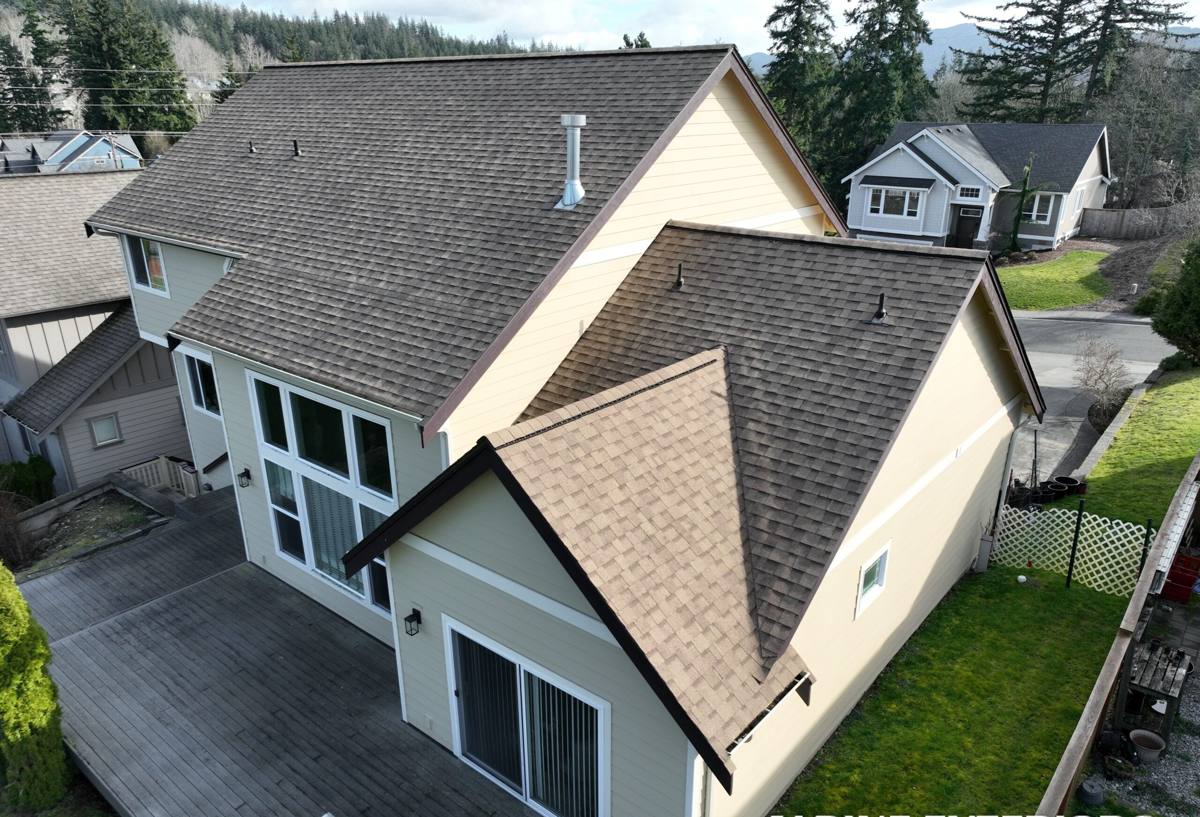
What Land O'Lakes and Pasco County Weather Does to Windows
Four things wear down windows here faster than in most parts of the country, and they compound each other:
- Hurricane-force wind and pressure changes. During tropical storms and hurricanes, wind doesn't just push on glass — it creates pressure differences that can pull a poorly anchored window frame right out of the rough opening.
- Wind-driven rain. Florida storms rarely fall straight down. Rain gets pushed sideways into any gap in flashing, sealant, or frame fit, which is how water ends up inside walls instead of running off the exterior.
- Intense, near-constant UV exposure. Florida's sun angle and number of sunny days per year is hard on vinyl, weatherstripping, and glazing seals. UV breaks down materials that were never rated for it, leading to yellowing, brittleness, and premature seal failure.
- Salt air influence. Land O'Lakes and Trinity are inland compared to the immediate coast, but Gulf-influenced moisture and salt content in the air still accelerate corrosion on hardware, screws, and lesser-grade metal components over time.
None of these on their own is unusual for Florida. But together, they mean a window that was installed with shortcuts — the wrong fasteners, gaps in flashing, sealant instead of proper mechanical anchoring — tends to fail here years before it would in a milder climate.
Florida Building Code and What It Means for Your Windows
Pasco County falls under the Florida Building Code's wind-borne debris and wind load provisions, which set minimum requirements for how new and replacement windows must perform and how they must be anchored to the structure. In practical terms, that means:
- Windows have to be rated for the wind pressures calculated for your specific home's exposure and height, not just a generic "hurricane window" label.
- Installation has to follow the manufacturer's approved anchoring schedule — screw type, spacing, and embedment depth are all specified for a reason and inspectors check for it.
- A permit and inspection is typically required for window replacement in Pasco County, which protects you as the homeowner by putting a third party's eyes on the work.
We pull permits and schedule inspections as a standard part of every installation. If a contractor offers to skip the permit to save time or money, that's a red flag — it usually means they don't want an inspector checking their anchoring work.
Signs a Trinity Home Needs Window Attention
Windows rarely fail all at once. Watch for these warning signs, especially on west- and south-facing exposures that take the brunt of Florida sun:
- Fogging or a permanent haze between panes of double-pane glass — a sign the seal has failed and the insulating gas has escaped.
- Visible daylight or a draft around the frame when the window is closed and locked.
- Frames that feel soft, chalky, or discolored, particularly on vinyl units that have taken years of direct sun.
- Difficulty opening, closing, or locking — often a sign the frame has warped or the home has settled slightly around the opening.
- Water staining on the interior wall or sill after heavy rain, which points to a flashing or sealant failure rather than a glass problem.
- Noticeably higher cooling bills without another clear cause — older single-pane or poorly sealed windows are a common culprit.
Choosing the Right Window for This Climate
Frame Material
Vinyl, aluminum, and fiberglass are the three frame materials most commonly installed in this market, and each has real trade-offs rather than one being universally "better."
| Frame Material | Strengths in This Climate | Trade-Offs |
|---|---|---|
| Vinyl | Good insulator, won't corrode, competitively priced | Can expand/contract with heat cycling; quality varies a lot by manufacturer |
| Aluminum | Strong, slim sightlines, holds up structurally in high-wind ratings | Conducts heat and cold more than vinyl or fiberglass; needs quality coatings to resist salt-air corrosion |
| Fiberglass | Very stable in heat, low expansion/contraction, long service life | Higher upfront cost than vinyl |
Glass Package
Impact-rated laminated glass is the most common choice for full storm protection without needing shutters or panels, since the interlayer keeps the glass from creating an opening even if the outer pane cracks. Low-E coatings reduce solar heat gain, which matters directly to your cooling bill given how much direct sun Trinity homes get most of the year. We'll walk through which combination makes sense for your home's orientation and budget rather than defaulting to the most expensive option.
What a Correct Installation Actually Involves
The window unit itself is only part of the job. Most window failures we get called out to fix trace back to the installation, not the product. A correct installation includes:
- Assessing the rough opening for level, square, and any rot or damage that needs to be addressed before a new unit goes in.
- Removing the old window carefully to avoid damaging the surrounding wall, stucco, or framing.
- Installing proper flashing so any water that gets past the window is directed back outside the wall assembly, not into it.
- Setting the window plumb, level, and square in the opening — even a slight misalignment stresses the frame and affects how well it seals and locks over time.
- Anchoring per the manufacturer's wind-load-approved schedule, using the correct fastener type, spacing, and depth into structural framing.
- Sealing and insulating around the frame with the right materials — sealant is a backup to good flashing and anchoring, not a substitute for it.
- Finishing the interior and exterior trim so the result looks clean and the water management stays intact.
- Final inspection and walkthrough to confirm smooth operation, a tight seal, and that the permit inspection is scheduled and passed.
Our Process for Trinity Projects
We keep the process straightforward because most of what causes headaches on a window project is poor communication, not the actual work:
- On-site assessment. We look at your existing windows, openings, and any problem areas — water staining, soft framing, drafts — before recommending anything.
- Honest product recommendation. We'll tell you what frame material and glass package fits your home, sun exposure, and budget, including where a less expensive option is genuinely fine and where it isn't.
- Written estimate. Clear pricing with no vague allowances, so you know what you're agreeing to.
- Permitting. We handle the Pasco County permit application and schedule required inspections.
- Installation. Our crew follows the manufacturer's anchoring and flashing specs on every unit, every time — not just on the units someone happens to be checking.
- Cleanup and walkthrough. We clear debris and walk you through operation, locks, and any warranty paperwork before we consider the job done.
Why a Local Crew Matters for This Job
Window installation is one of those trades where local experience shows up directly in the quality of the work. A crew that regularly works in Land O'Lakes and Trinity already knows the typical construction of homes in this area, has a working relationship with Pasco County's permitting and inspection process, and has seen firsthand how different window products actually hold up here after a few Florida summers and storm seasons — not just how they're rated on paper. That translates into fewer surprises: openings that get assessed accurately, permits that move without back-and-forth, and installations that are anchored and flashed to handle what this specific climate does to a house, not a generic climate zone.
It also means accountability. If a question comes up two years after installation — a seal, a lock, a caulk line that needs attention — you're calling a crew that's still working in your neighborhood, not chasing down a company that only passed through once.
Cost Factors to Expect
Window installation pricing depends on more than the number of windows. The main variables we walk through with homeowners are:
| Factor | Why It Affects Cost |
|---|---|
| Frame material | Fiberglass and higher-end vinyl cost more than economy vinyl or standard aluminum |
| Glass package | Impact-rated laminated glass costs more than standard double-pane, but often eliminates the need for shutters or panels |
| Window size and quantity | Larger openings and whole-house replacements benefit from per-unit pricing efficiency |
| Condition of the rough opening | Rot, prior water damage, or out-of-square framing adds labor to correct before installation |
| Retrofit vs. new construction framing | Full-frame replacement generally costs more than an insert replacement into a sound existing frame |
We'll give you a real number for your home during the estimate rather than a broad range that doesn't account for what's actually going on with your openings.
Get a Free Estimate for Your Trinity Home
If your windows are drafty, fogged, hard to operate, or you're just planning ahead of the next storm season, we're glad to take a look. The estimate is free, there's no pressure, and you'll get straight answers about what your home actually needs — not an upsell. Fill out the form below and we'll set up a time to assess your windows and talk through options that fit your home and your budget.