 Land O'Lakes Siding
 Siding Installation Built for Trinity's Climate
Trinity sits in the western part of Pasco County, close enough to the Gulf to feel the salt air on a west wind and far enough inland to still take a direct hit when a storm tracks up from Tampa Bay. Homes here deal with a combination most siding products were never designed for: hurricane-force wind gusts, sideways wind-driven rain that finds every gap in a wall system, and some of the most intense year-round UV exposure in the continental U.S. Add in humidity that barely lets up and you have a climate that tests siding on every front at once — structural attachment, water management, and surface durability.
A siding installation in Trinity isn't just a cosmetic upgrade. It's the primary weather shell for the house, and how it's installed matters as much as what it's made of.
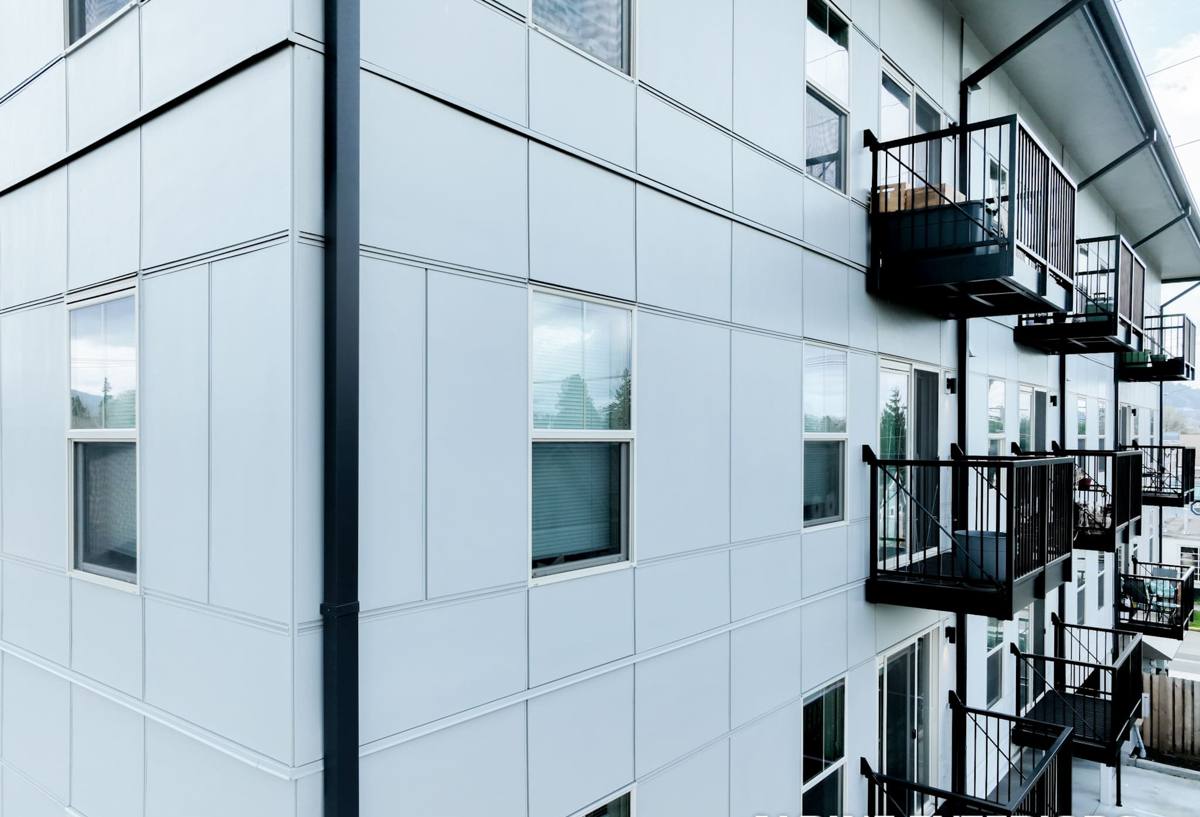
What Makes Trinity Homes Different
Trinity is a newer, master-planned part of Land O'Lakes, built out largely from the 1990s through the 2000s with a mix of stucco-over-block construction and homes with wood or engineered wood siding on gables, dormers, and accent walls. Many neighborhoods have HOA architectural standards that govern siding color and style, and a lot of homes are two-story with exposed upper-wall siding that takes more direct wind and sun than a single-story ranch. That combination — taller wall sections, HOA-driven color consistency, and a mix of original building materials — means every Trinity siding job needs a plan tailored to the specific house, not a one-size-fits-all approach.
Homes with existing wood-based siding (like older engineered wood or hardboard products) are also at the age where moisture damage starts showing up around windows, at butt joints, and near the bottom courses closest to grade — exactly the areas Florida's wind-driven rain targets hardest.
Common Issues We See on Trinity Homes
- Swelling, cracking, or delamination at siding seams and butt joints from years of wind-driven rain intrusion
- Paint failure and fading on south- and west-facing walls from sustained UV exposure
- Soft or spongy siding near ground level, downspouts, or sprinkler overspray zones
- Gaps and caulk failure around window and door trim after seasonal expansion and contraction
- Fastener corrosion or popped nails on older installations not rated for coastal-influenced air
What a Correct Siding Installation Actually Involves
Siding failures in this climate are rarely about the siding material alone — they're almost always about what's happening behind it. A correct installation is a water-management system, and every layer has a job:
The Layers That Matter
- Substrate inspection and repair — any rot, moisture damage, or compromised sheathing found during tear-off gets addressed before new material goes up, not covered over
- Weather-resistive barrier (house wrap) — installed with correct overlaps and sealed seams so bulk water is directed out, not trapped against the wall
- Flashing at every penetration — windows, doors, hose bibs, light fixtures, and vents all need proper flashing so wind-driven rain can't work its way behind the siding
- Correct fastener type, spacing, and depth — per manufacturer specification, not "close enough," since under- or over-driven fasteners are one of the most common causes of premature siding failure
- Proper clearances — siding held up off grade, decks, and roof lines per code so it isn't sitting in standing water or trapped moisture
- Caulking and sealant only where specified — over-caulking traps moisture in just as often as under-caulking lets it in
Skip or rush any one of these steps and the siding on top of it — regardless of brand — is working against a compromised foundation. This is where a lot of siding jobs go wrong: the visible finish looks fine on day one, and the water-management mistakes underneath don't show up for a year or two.
Why We Install Only James Hardie Fiber Cement
We standardized on James Hardie fiber cement siding for every installation, including in Trinity, and we don't install vinyl, LP SmartSide, or other engineered wood products. That's a deliberate call, not a sales preference. Fiber cement doesn't absorb water the way wood-based products can, it doesn't soften or warp under sustained heat the way vinyl can on a west-facing Florida wall, and it's non-combustible, which matters to a lot of homeowners and insurers alike. James Hardie's ColorPlus finish is factory-applied and baked on under controlled conditions, which holds up far better against Florida's UV load than field-applied paint, and it comes backed by a strong transferable warranty.
None of that is a knock on every other product on the market — vinyl and engineered wood both have legitimate uses and plenty of homes wear them fine elsewhere. But for the specific combination of wind, UV, and moisture that Trinity and the rest of Pasco County deal with year-round, fiber cement is the product we're willing to put our name behind.
James Hardie Lines Commonly Used on Trinity Homes
| Product | Typical Use | Why It Fits Trinity |
|---|---|---|
| HardiePlank lap siding | Full wall replacement, primary field siding | Most common choice for two-story exposed walls; wide range of HOA-friendly profiles and colors |
| HardieShingle | Accent gables, dormers | Matches the shingle-style accents common on Trinity's newer builds without the moisture risk of wood shingle |
| HardieTrim boards | Window, door, and corner trim | Pairs with lap siding for a finished, consistent look and resists the swelling that affects wood trim |
| HZ5/HZ10 engineered formulations | All installations in this region | Climate-engineered for high-humidity, high-moisture zones like the Gulf Coast |
Our Process, Start to Finish
- On-site assessment — we walk the exterior, check for moisture damage, note HOA requirements if applicable, and measure for material
- Written estimate — clear scope, product line, color, and cost, no surprise change orders for work we could have caught up front
- Tear-off and substrate check — old siding comes off, sheathing gets inspected, and any repairs are documented and addressed before moving forward
- House wrap and flashing — the water-management layer goes in correctly, with attention to every window, door, and penetration
- Hardie installation — installed to manufacturer fastening and clearance specs, not shortcuts
- Trim, caulk, and paint touch-up — finished to a clean, HOA-appropriate standard
- Final walkthrough — we go over the finished job with you before calling it done
What Affects Cost on a Trinity Siding Job
| Factor | Why It Matters |
|---|---|
| Home size and number of stories | Two-story homes need more material, more labor time, and often lift equipment for safe access |
| Condition of existing substrate | Rot or moisture damage found during tear-off adds repair scope before new siding can go up |
| Existing siding type | Removing old wood-based or damaged siding takes more labor than a straightforward re-side |
| Trim and architectural detail | Gables, dormers, and multiple roof lines add cutting, fitting, and flashing time |
| Color and finish selection | Factory ColorPlus finishes and specialty colors can affect material lead time and cost |
| HOA requirements | Some Trinity communities specify approved colors or styles, which can narrow product selection |
Signs It's Time to Talk About New Siding
- Visible cracking, buckling, or gaps at siding seams
- Soft spots when you press on the siding, especially near the bottom courses
- Paint that's peeling, chalking, or fading unevenly across different walls
- Increasing energy bills that suggest the wall assembly isn't sealing the way it used to
- Visible mold, mildew, or staining that keeps coming back after cleaning
- Siding that's simply reached the end of its manufacturer-rated service life
Why Hiring a Crew That Already Works Trinity Matters
A crew that regularly works Trinity and the surrounding Land O'Lakes area already knows the local permitting process, understands what Pasco County inspectors look for, and has likely seen the specific HOA guidelines in play across Trinity's various communities. That familiarity shortens the estimate-to-permit timeline and avoids the back-and-forth that happens when a crew is guessing at local requirements for the first time. It also means we've already seen how homes in this specific pocket of the county age under this specific climate — which is exactly the information that should be shaping the water-management details of your installation, not a generic install checklist.
After Installation: What Trinity Homeowners Should Expect
James Hardie siding installed to spec is low-maintenance, but "low" isn't "none." An annual rinse-down to clear pollen, salt residue, and mildew buildup, prompt attention to any caulk lines that start to fail, and keeping sprinklers from spraying directly on the siding will go a long way toward hitting the full service life of the product. Because the ColorPlus finish is factory-applied, most homeowners never need to repaint — a real cost and time savings over the life of the siding compared to field-painted products that need repainting on a recurring cycle in this UV environment.
If your Trinity home's siding is showing its age, or you're planning ahead for a full exterior refresh, we're happy to walk the property and give you a straightforward, no-pressure estimate. Use the form below to get started.