 Land O'Lakes Siding
 Why Trinity Homes Need a Roof Built for This Climate
Trinity sits inland from the Gulf but still takes the full brunt of West Central Florida weather — hurricane-force wind gusts during named storms, near-daily summer thunderstorms that drive rain sideways, and UV exposure that runs strong almost twelve months a year. Add in the salt-laden air that moves inland from the coast on a regular breeze, and you have a combination that ages a roof faster here than it would in most parts of the country. A roofing material that performs well in a mild climate can fall short in Pasco County within a decade. Metal roofing, when specified and installed correctly for this environment, is one of the few systems built to handle all of it at once.
We work on homes throughout Land O'Lakes and the Trinity area regularly, and the roofs we see failing early almost always share the same root causes: underlayment that wasn't rated for this climate, fasteners that back out under wind cycling, or flashing details that were rushed. This page walks through what a metal roof actually needs to do here, what a correct installation looks like, and how our process works for Trinity homeowners specifically.
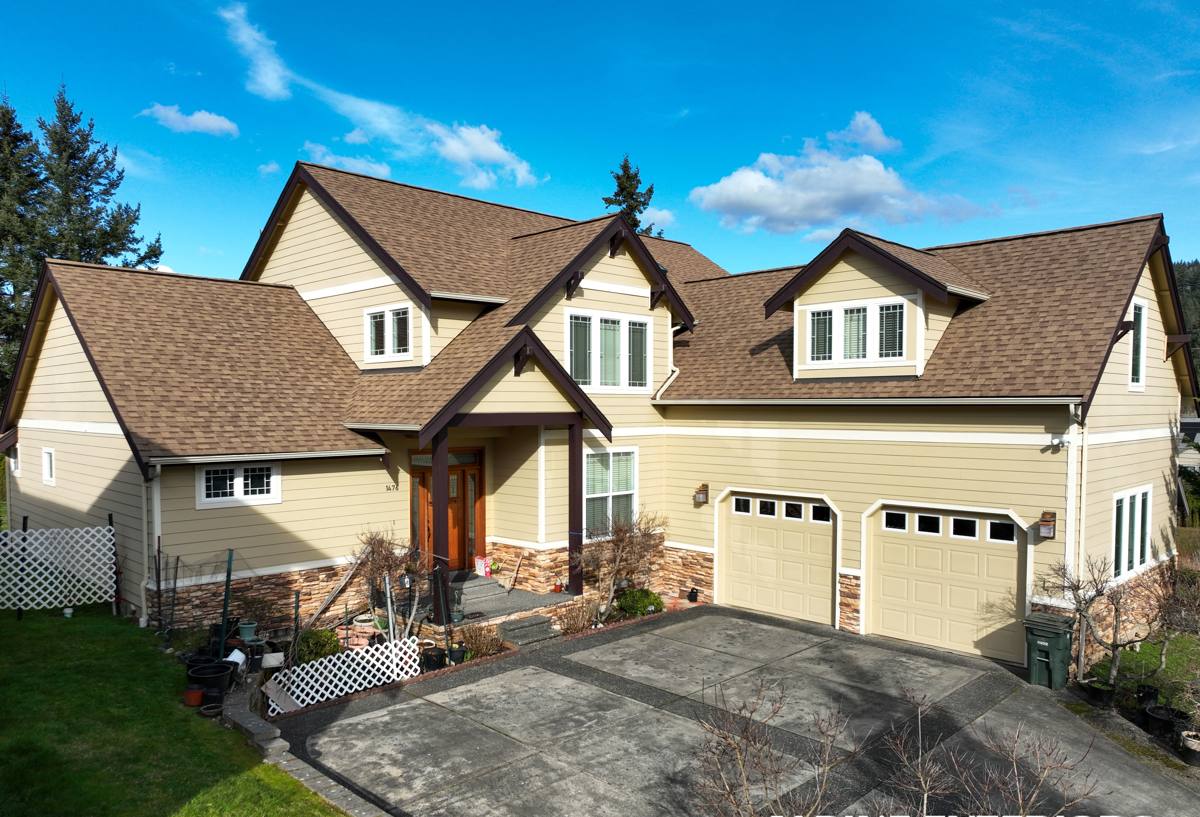
What Metal Roofing Offers Homeowners in Trinity
Metal roofing isn't the right fit for every budget or every home, but for homeowners planning to stay put for the long haul, it solves several problems that come up again and again in this part of Florida:
- Wind performance: Properly fastened metal panel systems are rated for wind speeds well above what standard asphalt shingles can hold, which matters directly for hurricane season.
- UV and heat resistance: Quality metal roofing coatings reflect solar heat rather than absorbing it, which can ease the load on air conditioning during Florida's long cooling season.
- Longevity: A correctly installed metal roof is typically a decades-long investment rather than a 15-20 year one, which changes the math on total cost of ownership even if the upfront price is higher.
- Low maintenance burden: Metal doesn't lose granules, curl at the edges, or grow moss the way some other materials do in Florida's humidity.
None of this makes metal roofing "maintenance-free" — no roof is — but it does shift the maintenance conversation from "replace failing shingles" to "inspect fasteners and sealant."
Panel Types & Choosing the Right System for Your Home
Not all metal roofing is the same product wearing a different color. The panel type and fastening method matter as much as the metal itself, especially in a wind-driven-rain climate like ours.
Standing Seam
Standing seam panels use concealed fasteners and interlocking vertical seams, so there are no exposed screw heads for water or wind to work against over time. This is generally the strongest option for wind uplift resistance and the most watertight system available, which is why it's often the right call for full roof replacements on homes exposed to open sky or higher wind loads.
Exposed-Fastener Panels
These panels are fastened directly through the metal with gasketed screws. They cost less upfront, but every fastener is a potential leak point once the rubber gasket ages and hardens — something that happens faster under intense Florida UV. We still install these where the budget calls for it, but we're upfront that they carry a higher long-term maintenance need than standing seam.
Metal Shingles & Stone-Coated Panels
These mimic the look of traditional shingle or tile roofing while carrying metal's wind and longevity advantages. They're a good fit for homeowners in Trinity's more traditionally styled neighborhoods who want metal's performance without the standing-seam look.
| Panel Type | Fastening | Wind Performance | Best Fit |
|---|---|---|---|
| Standing Seam | Concealed clips | Highest | Full re-roofs, open exposure, hurricane priority |
| Exposed-Fastener | Screws through panel | Good, fastener-dependent | Budget-conscious projects, outbuildings, additions |
| Metal Shingle/Stone-Coated | Concealed or nailed | High | Traditional curb appeal with metal durability |
What a Correct Metal Roof Installation Involves
A metal roof is only as good as what's underneath it and how it's fastened down. Most metal roofing complaints we get called out to inspect trace back to shortcuts in these areas, not the panels themselves:
Underlayment
Florida's building code and the climate both call for a high-quality synthetic or self-adhered underlayment beneath metal panels — not the lightweight felt that might pass in a drier climate. This layer is the actual waterproofing barrier; the metal panels are the first line of defense, not the only one.
Fastening Pattern and Wind Rating
Fastener spacing and clip type need to match the wind load requirements for this part of Pasco County, not a generic pattern pulled off a spec sheet. This is where a lot of underbid jobs cut corners, because tighter fastening patterns cost more labor and material.
Flashing and Penetrations
Every valley, wall transition, vent pipe, and chimney is a place where two materials meet — and it's where the overwhelming majority of roof leaks actually start, on metal or any other roofing system. Correct step flashing, counterflashing, and sealant selection at these points matters more than almost anything else in the installation.
Ventilation
Attic ventilation has to work with the metal roof, not against it. Poor ventilation traps heat and moisture against the underside of the deck, which can shorten the life of the roof structure even if the metal itself is holding up fine.
Wind, Rain, and Salt: Climate-Specific Considerations
Trinity doesn't get direct salt spray the way a beachfront property does, but inland breezes still carry enough airborne salt to accelerate corrosion on lower-grade metals and fasteners over years of exposure. We factor that into material selection — coating quality and fastener grade matter more here than they would further from the Gulf.
Wind-driven rain is the other local factor that changes how a roof should be detailed. During Pasco County's summer storm pattern and any tropical system, rain doesn't just fall — it gets pushed sideways and upward under panel edges and around penetrations. That's why lap details, panel overlap, and sealant choices get more attention on a roof built for this area than they might in a drier, calmer climate.
Cost Factors to Understand Before You Get Quotes
We don't publish flat prices because roof cost depends on real variables specific to your home. What we can do is explain what actually drives the number, so you can evaluate quotes intelligently instead of just comparing bottom lines.
| Factor | Why It Matters |
|---|---|
| Panel type | Standing seam costs more upfront than exposed-fastener panels but needs less long-term maintenance. |
| Roof complexity | More valleys, hips, and penetrations mean more flashing labor and material. |
| Existing roof condition | Deck repairs or full tear-off versus overlay affects both cost and long-term performance. |
| Underlayment grade | Higher-grade synthetic or self-adhered underlayment costs more but is not optional in this climate. |
| Wind rating requirements | Tighter fastening patterns for higher wind zones add labor cost but are a code and safety requirement. |
Broadly speaking, metal roofing carries a higher upfront cost than asphalt shingles, but the gap narrows significantly when you account for how many shingle roofs need full replacement in this climate within 15-20 years versus a metal roof's typically much longer service life.
Our Process for Trinity Metal Roofing Projects
- On-site inspection: We walk the roof, check the deck condition where accessible, and evaluate ventilation and existing flashing details before recommending anything.
- Honest scope and proposal: You get a written scope that specifies panel type, underlayment, fastening pattern, and flashing details — not just a total price.
- Tear-off or overlay decision: We'll tell you plainly if your existing deck needs repair or if overlay isn't appropriate, rather than papering over a problem.
- Installation: Deck prep, underlayment, panels, flashing, and penetration sealing, done in the sequence and to the standard the climate here actually requires.
- Final walkthrough: We review the finished roof with you and cover what maintenance, if any, you should keep an eye on going forward.
Homeowner Maintenance Checklist
Metal roofing is low-maintenance, not no-maintenance. A few minutes twice a year can catch small issues before they become leaks.
- Visually check for loose or lifted panel edges after major wind events
- Look at exposed fasteners (if your system has them) for gasket wear or rust staining
- Clear debris from valleys and around penetrations, especially after storm season
- Check sealant at flashing points for cracking or separation
- Confirm gutters and downspouts are draining freely, since standing water at the roof edge stresses flashing over time
- Have a professional inspection after any major hurricane or hail event, even if nothing looks obviously wrong from the ground
Why a Crew That Already Works in Trinity Matters
Metal roofing installed to a generic national standard isn't the same as metal roofing installed for Pasco County's actual wind zone, humidity, and storm pattern. A crew that regularly works Land O'Lakes and Trinity roofs knows which fastening patterns and underlayment specs hold up here, has already worked with the local permitting process, and isn't learning the region's climate demands on your roof for the first time. That familiarity shows up in the details that don't get noticed until they fail — flashing laps, fastener grade, ventilation balance — the things that separate a roof that lasts one hurricane season from one that lasts decades.
If you're weighing metal roofing for a home in Trinity or elsewhere in Land O'Lakes, we're glad to walk your roof, answer questions honestly, and put together a written scope you can actually evaluate. Request a free, no-pressure estimate using the form below and we'll get in touch to schedule a time that works for you.