 Land O'Lakes Siding
 Why Two Similar Houses Get Very Different Quotes
It's one of the most common questions we hear on a first visit: why did the house down the street pay less (or more) for what looks like the same job? Siding replacement pricing isn't a single number — it's a stack of variables, and most homeowners have only ever seen the total, never the breakdown. This page walks through what actually moves the needle so you can read a quote intelligently instead of just comparing bottom lines.
Two 2,000-square-foot homes in Land O'Lakes can land on very different numbers once you account for wall complexity, what's hiding underneath the old siding, and which material is going back up. Understanding those factors is the difference between comparing apples to apples and getting talked into the wrong decision by whichever number looks smallest on paper.
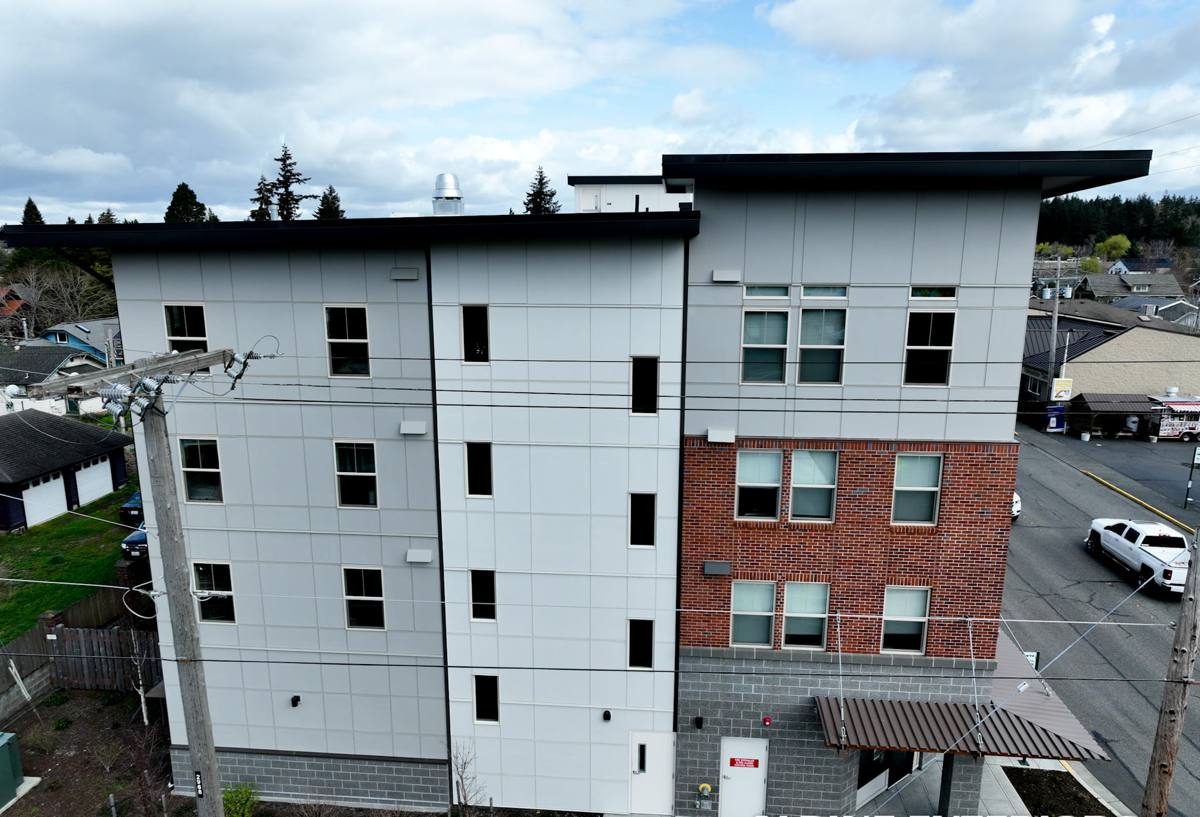
The Big Structural Cost Drivers
Square Footage and Wall Complexity
Total exposed wall area matters, but it's not the whole story. A simple rectangular ranch with few corners installs faster and cheaper per square foot than a home with multiple gables, dormers, bump-outs, and varied roof lines — even at the same total footage. Every inside corner, outside corner, and transition is labor. Two-story homes also add scaffolding or lift costs that single-story homes don't.
Tear-Off and What's Underneath
What's behind your existing siding has a bigger effect on price than most homeowners expect. If the sheathing and framing underneath are sound, tear-off and re-side is relatively straightforward. If we find rotted sheathing, compromised house wrap, or evidence of long-term moisture intrusion — which shows up often on homes that had synthetic stucco, vinyl, or poorly flashed wood siding — that repair work gets added to the job before new siding ever goes up. This is almost never knowable from a driveway estimate; it's usually confirmed once the old material comes off.
Trim, Fascia, and Detail Work
Window and door trim, fascia boards, soffit condition, and architectural details (shutters, columns, decorative bands) all add labor and material beyond the flat wall area. A house with extensive trim detail costs more to re-side correctly than a plain box of the same size, even before the siding material is chosen.
Material Choice: The Line Item That Changes Everything
The siding material itself is usually the single biggest lever in the total cost — and also the one homeowners are most tempted to shop down on, because the price difference is visible immediately while the performance difference only shows up years later.
| Material | Typical Upfront Cost | What You're Trading For That Price |
|---|---|---|
| Vinyl | Lowest | Fast install, but it warps in heat, fades in UV, and cracks in wind-driven impacts — common failure points in this climate. |
| Engineered wood (LP-type) | Mid-range | Wood-look at a lower cost than fiber cement, but the wood-strand core is more sensitive to sustained moisture exposure than fiber cement. |
| Fiber cement (James Hardie) | Higher upfront | Non-combustible, dimensionally stable in heat and humidity, factory-baked finish, longer real-world service life when installed to spec. |
None of these numbers should be read as a quote — actual pricing depends on your home's size, complexity, and condition, which is why we always price from an in-person walkthrough rather than a phone estimate. The point of the table is the trade-off, not the dollar figure: cheaper materials shift cost from today to five or ten years from now, in the form of repairs, repainting, or a second replacement.
Local Factors That Push Costs Up in Pasco County
Land O'Lakes sits in a climate that is genuinely harder on exterior building materials than most of the country. Hurricane-force wind events, intense year-round UV exposure, wind-driven rain, and salt air moving inland from the Gulf all accelerate wear on siding that wasn't engineered for it. That's not marketing language — it's the reason certain materials and installation shortcuts that hold up fine in a mild climate fail early here.
A few Pasco County-specific realities that affect your final number:
- Wind-load requirements in this region mean fastening schedules matter — proper nailing patterns and fastener spacing take longer than the minimum, but they're what keeps siding attached in a storm.
- Permitting through Pasco County or the applicable municipality is typically required for a full siding replacement, and that process adds a small amount of time and cost to the project timeline.
- HOA architectural review, common in many Land O'Lakes communities, can affect color and material approval timelines before work even starts.
Labor and Installation Quality: Where Corners Get Cut
Flashing and Water Management
Siding is only as good as the water management behind it. Flashing around windows, doors, and roof intersections is the part of the job that's invisible once it's finished — and it's also the part most likely to be shortcut by a crew racing to finish quickly. Correct flashing takes more time and material than a bare-minimum install, and it's the single biggest factor in whether a home stays dry behind its siding for the next twenty years.
Fastening and Manufacturer Spec
Every fiber cement manufacturer publishes an installation manual with specific fastener types, spacing, and clearances. Following it exactly — rather than treating it as a suggestion — is what keeps a manufacturer's warranty valid and what keeps siding on the wall during a wind event. Crews that install faster than spec allows are usually skipping something here, and it rarely shows up until years later.
Hidden Costs Homeowners Forget to Budget For
Beyond the headline material and labor number, a few line items surprise homeowners who haven't been through a siding project before:
- Substrate repair: rotted sheathing or framing discovered during tear-off, priced once it's actually visible.
- Disposal: hauling and disposing of the old siding, especially with larger two-story homes.
- Code-driven upgrades: house wrap, flashing, or window trim details that current code requires even if the original install didn't have them.
- Color and finish upgrades: premium factory finishes or custom color matching typically cost more than standard color offerings.
A contractor who never mentions any of these during the estimate isn't necessarily being dishonest, but it's worth asking directly so there are no surprises once the tear-off starts.
Why We Only Quote James Hardie
We get asked regularly why our estimates don't include vinyl or engineered wood alternatives, given that both come in lower on the material line. The honest answer is that we've made a standard for what goes on a home we install, and it's fiber cement — specifically James Hardie's climate-engineered HZ product lines. It's non-combustible, holds up to the UV and moisture cycle this region puts siding through, and carries a factory-applied ColorPlus finish backed by a strong transferable warranty when installed to spec.
We're not going to tell you vinyl or engineered wood siding is a bad product across the board — plenty of homes around the country wear it fine. What we will say is that after years of installing and repairing siding in this specific climate, we stopped installing anything else, because the maintenance calls and premature failures we saw traced back almost entirely to material and moisture behavior that fiber cement doesn't struggle with. That's a standard, not a sales pitch, and it's why every quote we write is a Hardie quote.
A Practical Checklist Before You Get Quotes
- Get at least two or three quotes, and make sure each one specifies the exact material, product line, and thickness — not just "siding."
- Ask whether the price includes tear-off, disposal, and house wrap, or whether those are separate line items.
- Ask what happens to the price if rotted sheathing is found once the old siding comes off — get that answer in writing.
- Confirm who pulls the permit and confirms HOA approval, if applicable, before work starts.
- Ask which manufacturer's fastening and flashing spec the crew follows, and whether that keeps the manufacturer's warranty intact.
- Compare warranty terms side by side — material warranty, finish warranty, and labor warranty are three different things.
Getting an Accurate Number for Your Home
Every one of the factors above is specific to your house — its size, its layout, its current condition, and what's underneath the existing siding. That's why an accurate number only comes from an in-person look, not a phone call or an online calculator. If you're planning ahead or just trying to understand what you're working with, we're happy to walk your home, point out what we see, and put together a straightforward, no-pressure estimate with the details spelled out. There's a form below to get started.