 Land O'Lakes Siding
 Siding Built for New Port Richey's Coastal-Adjacent Climate
New Port Richey sits close enough to the Gulf of Mexico that homes here take on a different set of exterior stresses than properties further inland in Pasco County. The salt-tinged air moves in off the water, humidity stays high for most of the year, and hurricane season brings the same wind and wind-driven rain threats that define exterior construction standards across West Central Florida. If you own a home in or around New Port Richey, your siding isn't just a cosmetic layer — it's your home's primary defense against sun, moisture, and storm pressure, working around the clock.
We're based in Land O'Lakes and serve New Port Richey as part of our regular Pasco County service area. That matters more than it might sound like. A crew that works this specific region regularly knows what actually fails on homes here — not in a lab, not in a national marketing brochure, but on the block you live on. That local repetition is what lets us catch a problem during an inspection instead of after it's already inside your walls.
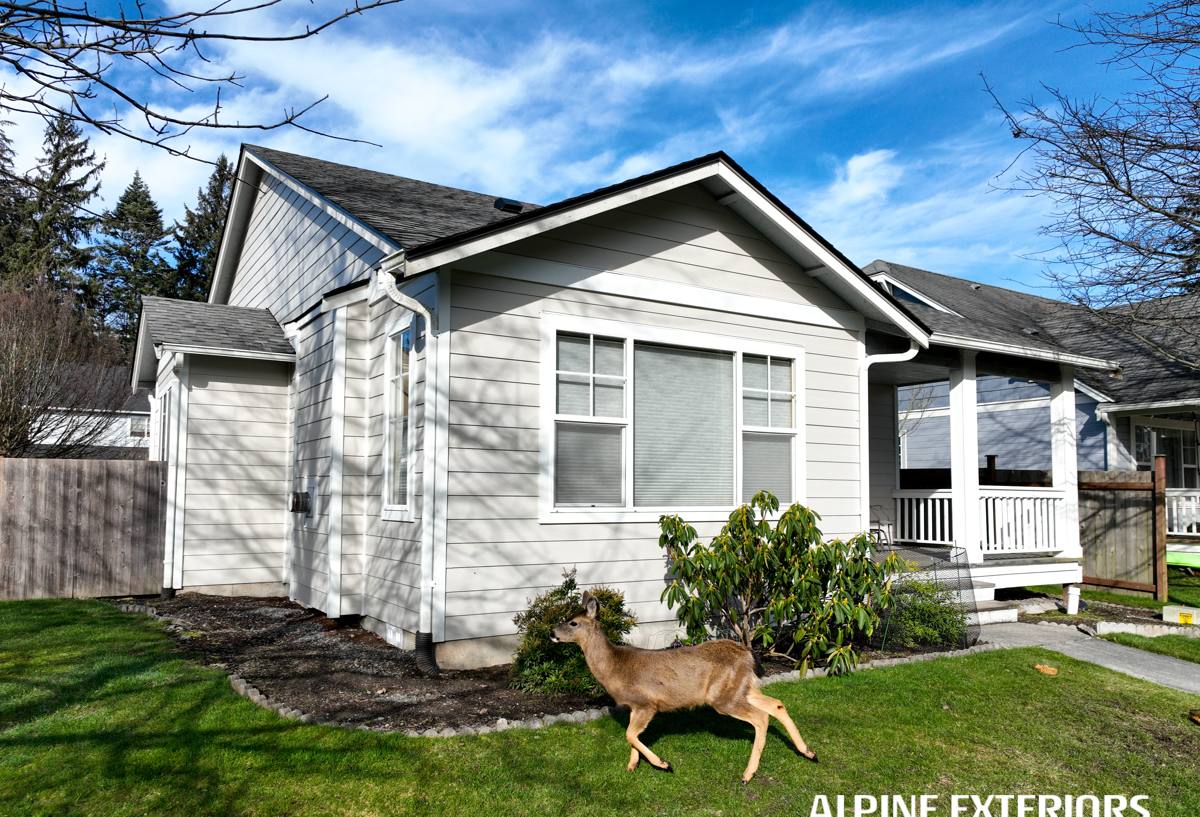
What New Port Richey Homes Are Up Against
Salt Air and Coastal Humidity
Even a few miles inland from the Gulf, airborne salt accelerates corrosion on fasteners, trim, and any siding material that isn't engineered to handle it. Combined with Florida's near-constant humidity, this creates ideal conditions for moisture to work its way behind poorly sealed siding, where it can sit against sheathing and framing far longer than most homeowners realize.
Hurricane-Force Wind and Wind-Driven Rain
Wind isn't just a threat because of what it can tear off a house — it's a threat because of what it drives into a house. Wind-driven rain during tropical storms and hurricanes gets forced sideways and upward into seams, laps, and fastener points that were never designed to handle standing water pressure. Siding that isn't rated for these conditions, or that was installed with shortcuts, is where water intrusion problems usually start.
Intense, Year-Round UV Exposure
Florida sun doesn't take an off-season. Paint film breaks down, caulk dries out and cracks, and cheaper composite materials can fade, chalk, or become brittle years before their rated lifespan. On a New Port Richey roofline facing west or south with little shade, that UV load is relentless.
Older Housing Stock and Mixed Construction Eras
New Port Richey has a lot of established neighborhoods with homes built across several different decades, including canal and waterfront properties. That means we regularly work on houses with older siding, older window flashing, and roof systems that may not meet current wind-load or moisture-management standards — which is exactly why we look at siding, roofing, windows, and decking together rather than as four unrelated projects.
Signs Your Siding Is Losing the Fight
- Visible warping, buckling, or waviness in the siding panels or lap boards
- Soft spots, dark staining, or a spongy feel when you press on the siding near the bottom of walls
- Paint that's peeling, bubbling, or chalking well ahead of schedule
- Cracked or gapped caulking around trim, corners, windows, and doors
- Rising energy bills that suggest your wall assembly isn't insulating or sealing the way it should
- Visible mold, mildew, or a musty smell near exterior walls
- Siding that flexes or rattles noticeably in wind
Any one of these on its own might be minor. Several together, especially on a home that hasn't had its siding evaluated in a decade or more, is worth a professional look before the next storm season.
Why We Only Install James Hardie Fiber Cement Siding
We made a deliberate decision as a company to install one siding system: James Hardie fiber cement. We don't install vinyl, LP SmartSide, Cemplank, Allura, or primed wood siding like spruce or cedar. That's not a marketing angle — it's a standard we hold because of what we've seen hold up in Florida conditions and what we're willing to put our name behind.
Fiber cement is non-combustible, resists moisture damage far better than wood-based composites, and doesn't soften or distort under the kind of heat and UV load that's normal for a Pasco County summer. James Hardie backs its products with a factory-applied ColorPlus finish, which handles color and UV exposure differently than field-applied paint, and the company engineers specific product lines for Florida's humidity and storm exposure (their HZ5 line, built for our climate zone). That combination — the material itself, the factory finish, and a warranty structure built around the whole system — is why we standardized on it instead of offering a menu of siding options with different tradeoffs.
We're not saying every other product is unusable. We're saying that after years of exterior work in this climate, this is the one system we're comfortable standing behind on every job, including the ones near the coast where conditions are toughest.
How Common Siding Materials Compare in This Climate
| Material | Moisture / Storm Behavior | UV & Color Durability | Typical Maintenance |
|---|---|---|---|
| Vinyl siding | Can warp or crack under wind load and impact; seams are a common water entry point | Fades and can become brittle with prolonged sun exposure | Low labor, but limited repair options once damaged |
| Engineered wood (LP-type) | Vulnerable to swelling and edge damage if moisture reaches the substrate | Field-applied finishes need repainting on a regular cycle | Moderate to high; moisture management is critical |
| Primed wood (spruce/cedar) | Natural material; prone to rot and insect issues in humid, coastal-adjacent air | Requires repainting and sealing on an ongoing basis | High; regular inspection and upkeep needed |
| James Hardie fiber cement | Engineered for moisture resistance; HZ5 line built for high-humidity, high-wind climates | Factory ColorPlus finish resists fading and chalking | Low; occasional cleaning, no repainting cycle in most cases |
How We Approach a Siding Project in New Port Richey
Inspection First
Before we talk about products or pricing, we look at what's actually happening on your walls — moisture readings where relevant, condition of the sheathing where accessible, and how your existing trim, flashing, and window details are holding up. This is also where we flag anything roofing- or window-related that could undermine new siding if it's left unaddressed.
Correct Installation, Not Just Correct Material
James Hardie siding performs the way it's rated to perform only when it's installed to manufacturer spec — proper clearances, fastener patterns, flashing details, and joint treatment. A lot of siding failures we're called out to inspect aren't material failures at all; they're installation shortcuts that let water in behind a product that would have otherwise done its job. Our crews install to Hardie's specifications because that's what the warranty and the performance both depend on.
Working as One Exterior System
Siding, roofing, windows, and decks aren't separate systems on a house — water and wind don't respect those boundaries. A gap at a window flashing detail or a compromised roof edge can undermine even correctly installed siding. Because we handle all four, we can address the whole envelope in one project plan instead of passing you between separate contractors who each only see their own piece.
What Drives Siding Costs in New Port Richey
| Factor | Why It Matters |
|---|---|
| Home size and wall complexity | More corners, gables, and dormers mean more cutting, flashing, and labor time |
| Current siding removal | Tear-off and disposal of failing siding adds time versus a new-construction install |
| Underlying sheathing condition | Rotted or water-damaged sheathing found during removal needs repair before new siding goes on |
| James Hardie product line and profile | Lap, shingle, and panel profiles carry different material and labor costs |
| Trim, soffit, and fascia work | Coordinating siding with trim and roofline details affects both cost and long-term water management |
| Access and site conditions | Canal-front lots, tight setbacks, or landscaping can affect staging and labor time |
We give you a real number after we've actually looked at your house — not a rough guess over the phone. Every home's wall condition, access, and scope is different enough that a genuine estimate has to be based on what we see.
Choosing a Contractor for Siding Work in This Area
- Ask whether the crew doing the installation works for the company directly or is a rotating subcontractor
- Confirm they're licensed and insured to work in Pasco County, and ask to see documentation
- Ask specifically how they handle flashing and moisture management at windows, doors, and roof intersections
- Find out whether they inspect and repair sheathing issues discovered during tear-off, or just cover over them
- Ask which siding products they install and why — and be wary of a contractor who installs "whatever you want" with no stated standard
- Get a written scope of work, not just a verbal price
Free, No-Pressure Estimates for New Port Richey Homeowners
If your siding is showing its age, or you're planning ahead of the next storm season, we're glad to come take a look. There's no cost and no pressure — just a straight assessment of where your home stands and what your options are. Use the form below to request your free estimate.