 Land O'Lakes Siding
 Asphalt Shingle Roofing for Wiregrass Ranch Homes
Wiregrass Ranch is one of the larger master-planned communities in Land O'Lakes, with homes ranging from newer construction to houses now old enough to be on their second roof. Whatever phase or builder your section came from, the roof over it has to deal with the same Pasco County weather: long stretches of intense UV, sudden afternoon downpours, tropical storm and hurricane wind events, and the kind of humidity that never really lets a roof dry out completely. Asphalt shingle roofing remains the most practical, cost-effective option for the vast majority of homes here, but "asphalt shingles" covers a wide range of products and installation quality. This page covers what actually matters for a shingle roof in this specific neighborhood — not generic roofing advice.
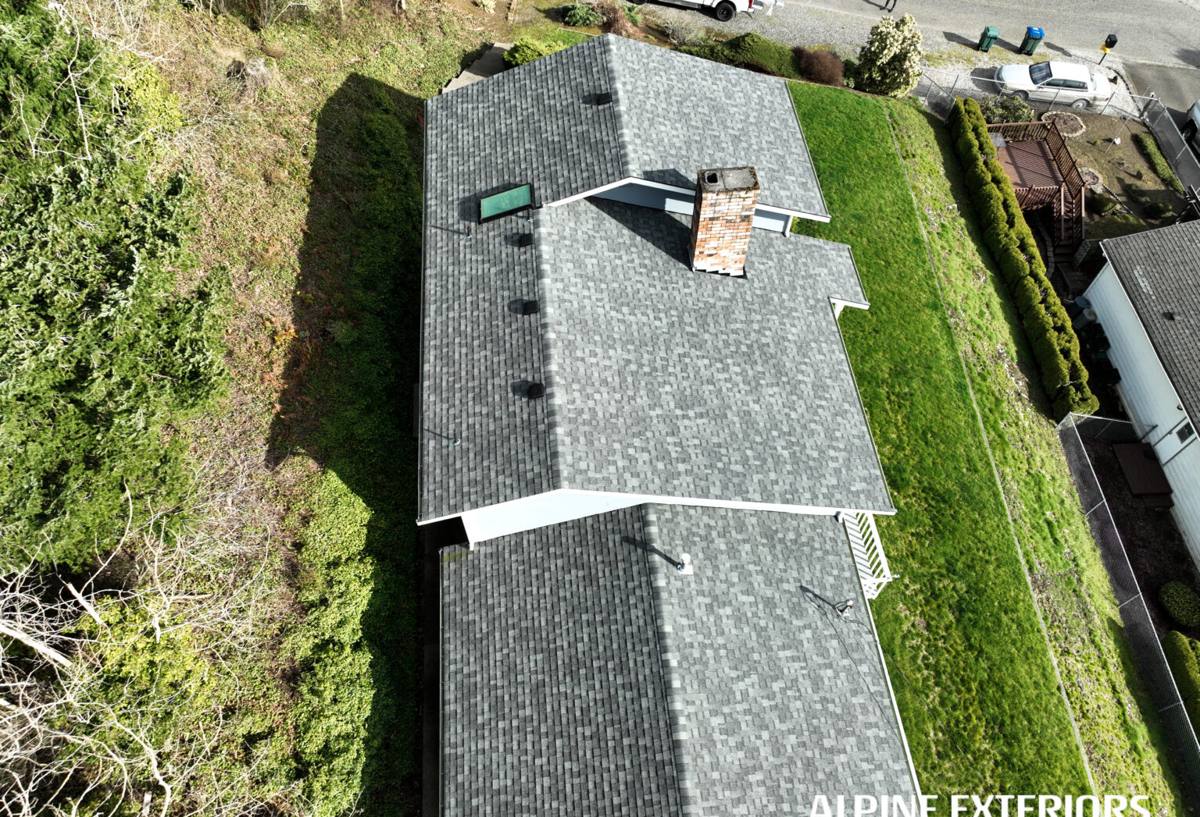
What Land O'Lakes Weather Does to a Shingle Roof
Florida's climate is hard on roofing in ways that homeowners who moved from milder states often underestimate. A shingle roof in Wiregrass Ranch is working against several forces at once, and they compound each other.
Wind Uplift and Storm Exposure
Pasco County sits in a hurricane-exposed wind zone, and even non-hurricane thunderstorms here regularly produce gusts strong enough to test poorly fastened shingles. Wind doesn't just tear shingles off in a straight line — it gets under a loose or under-sealed tab at an edge, ridge, or valley and peels back from there. Once a section starts lifting, that shingle and its neighbors are compromised for good, even if they look intact after the storm passes.
UV and Heat Cycling
Central Florida gets some of the most consistent, intense sun exposure in the continental U.S. UV breaks down the asphalt binders in shingles over time, and the daily heat-up/cool-down cycle on a roof deck causes materials to expand and contract. That cycling is what eventually causes granule loss, curling, and brittleness — long before a shingle reaches its rated lifespan on paper.
Wind-Driven Rain
Straight-down rain is not the problem most Florida roofs face. Wind-driven rain — rain pushed sideways or even upward under an eave — is what finds the gaps in flashing, valleys, and underlayment laps that a vertical rain never would. This is why underlayment choice and installation detail at valleys, penetrations, and roof-to-wall transitions matter more here than in drier, calmer climates.
Salt Air and Coastal Drift
Land O'Lakes isn't beachfront, but it's close enough to the Gulf that salt-laden air still reaches inland neighborhoods, especially during onshore wind patterns. Salt exposure accelerates corrosion on exposed metal — fasteners, flashing, and roof vents — which is one more reason to spec corrosion-resistant hardware rather than whatever is cheapest.
Choosing the Right Shingle for This Neighborhood
Not every asphalt shingle sold nationally is a good fit for a Pasco County roof. The two practical choices for most Wiregrass Ranch homes are 3-tab and architectural (laminated) shingles, and the difference matters more here than in a mild climate.
| Shingle Type | Typical Wind Rating | Wind Performance Here | Typical Lifespan (FL conditions) |
|---|---|---|---|
| 3-tab shingles | 60-70 mph (standard) | Lower — thinner, single-layer tabs are more prone to lifting in gusty conditions | 12-18 years |
| Architectural shingles | 110-130 mph (with proper fastening) | Better — laminated, heavier profile resists uplift and impact | 18-25 years |
| High wind-rated architectural | Up to 150 mph (product + install dependent) | Best available in asphalt — meets or exceeds most Pasco wind requirements | 20-25+ years |
We install architectural shingles on the large majority of Wiregrass Ranch homes. The upfront cost difference over 3-tab is modest compared to what it buys in wind performance and service life, and most HOA design guidelines in planned communities like this one favor the dimensional look of architectural shingles anyway.
What a Correct Shingle Installation Actually Involves
The shingle itself is only part of the roof system. Most premature failures we see on re-roofs here trace back to shortcuts underneath the shingles, not the shingle brand.
Tear-Off and Deck Inspection
A full tear-off lets us actually see the roof deck — soft or delaminated plywood, old nail holes, and prior water damage don't show up until the old layer is off. Any compromised decking gets replaced before anything else goes down. Roofing over an existing layer hides these problems and shortens the life of everything installed on top.
Underlayment
Synthetic underlayment or a self-adhering membrane goes down over the deck as the roof's real waterproofing layer — the shingles are the wear surface, but the underlayment is what keeps water out if wind or a granule failure ever exposes the deck. Valleys and any low-slope transitions get additional self-adhering membrane, since those are the areas wind-driven rain targets first.
Flashing, Starter Strip, and Drip Edge
Metal drip edge at the eaves and rakes, proper starter strip at the edges, and step/counter flashing at walls and penetrations are where roofs actually leak — far more often than through the shingle field itself. This detail work takes longer and costs more in labor than material, which is exactly why it's the first thing cut on a low-bid job.
Nailing Pattern and Wind Compliance
Shingles are only as wind-resistant as their fastening. Nail count, placement, and gun pressure all affect uplift resistance, and Pasco County's building code sets minimum requirements based on the local wind zone. We fasten to meet or exceed code, not to the minimum a shingle package technically allows.
Attic Ventilation
Proper intake and exhaust ventilation keeps attic temperatures and moisture in check, which protects the underside of the deck and helps the shingles above run cooler. Poor ventilation is a common, invisible reason shingles fail early in Florida attics that trap heat.
Our Process, Start to Finish
- Free on-site inspection — we walk the roof (or use safe alternative inspection methods when needed) and check the attic, not just the shingles from the ground.
- Written estimate — a clear scope covering tear-off, decking allowance, underlayment, flashing, shingle product, and ventilation, so there are no surprise line items mid-job.
- Permitting — we pull the required Pasco County roofing permit before work starts; this isn't optional and it protects you if there's ever an insurance or resale question later.
- Tear-off and deck repair — old roofing removed, deck inspected, any damaged sheathing replaced and documented.
- Underlayment, flashing, and shingle installation — installed to manufacturer spec and local wind code.
- Final inspection and cleanup — magnetic sweep for stray nails, debris hauled off, and a final walkthrough with you before we call the job done.
Signs Your Wiregrass Ranch Roof Needs Attention
Most shingle roof failures give warning signs well before an actual leak shows up inside the house. Worth checking for, especially after a windy or stormy stretch:
- Shingles that look curled, cupped, or raised at the edges
- Bare spots where granules have worn away, or heavier-than-usual granule buildup in gutters
- Cracked or missing shingles, particularly near ridges, valleys, or roof edges
- Soft or spongy spots when the roof is walked (only assess this yourself from the ground — leave roof-walking to a professional)
- Daylight visible through the attic roof boards
- Water stains or discoloration on interior ceilings, especially near exterior walls
- Visible rust or lifting at flashing points around chimneys, vents, or skylights
- A roof approaching or past 18-20 years old with no major work done
What Affects the Cost of a Shingle Roof Here
Every roof is priced individually, but the same handful of factors drive most of the variation we see on Wiregrass Ranch homes.
| Factor | Why It Matters |
|---|---|
| Roof size and pitch | More square footage and steeper slopes mean more material and labor time |
| Number of layers to remove | Tear-off of multiple existing layers adds disposal and labor cost |
| Deck condition | Rotted or delaminated plywood found during tear-off requires replacement, priced separately since it can't be known until the old roof is off |
| Shingle tier | Standard architectural vs. high wind-rated or heavier-profile products carry different material costs |
| Roof complexity | Valleys, dormers, skylights, and multiple penetrations all add flashing and labor time |
| Ventilation upgrades | Adding or correcting intake/exhaust vents where the existing system is inadequate |
We give a firm written number after the inspection, not a phone estimate — a roof quoted without someone actually getting on it is a guess, not a price.
Maintenance That Extends a Shingle Roof's Life Here
A little attention between installations goes a long way in this climate. Keep gutters and valleys clear of leaf and debris buildup so water doesn't pool or back up under shingles. Trim back overhanging branches that scrape shingles in wind and drop debris that holds moisture against the roof. After any significant storm, a visual check from the ground for missing or displaced shingles is worth the five minutes it takes. And have the roof professionally inspected roughly every two to three years, or immediately after a named storm passes through the area — small issues caught early are inexpensive; the same issue found after months of water intrusion usually isn't.
Why Hire a Crew That Already Works in Wiregrass Ranch
A roofing crew that regularly works this neighborhood already knows the practical realities that generic contractors have to learn on your job: the HOA architectural review process most sections here require before roofing work begins, the Pasco County permitting and inspection steps, and the roof styles and pitches common to the builders who developed this community. That familiarity means fewer delays getting approvals sorted and a crew that isn't guessing at what a correct installation looks like for homes built to this area's specifications. We're a Land O'Lakes-based company, not a storm-chasing crew that shows up after a hurricane and leaves town once the insurance checks clear — if something needs a follow-up visit five years from now, we're still local to come do it.
If your Wiregrass Ranch roof is showing its age, took storm damage, or you just want an honest read on how much life it has left, we're happy to take a look. Use the form below to request a free, no-pressure estimate — we'll give you a straight answer, not a sales pitch.