 Land O'Lakes Siding
 Deck Repair for New Port Richey Homes
A deck in New Port Richey works harder than a deck almost anywhere else in the country. Between the intense year-round UV, the humidity that never really goes away, wind-driven rain off the Gulf, and the salt air that drifts inland on top of it all, the structure under your feet is under constant low-grade attack. Most homeowners don't think about deck maintenance until a board flexes, a rail wiggles, or a fastener pops loose — and by then, there's usually more going on underneath than what you can see from the surface.
We're a Land O'Lakes-based crew that works New Port Richey regularly, and we've seen the same failure patterns show up again and again in this part of Pasco County. This page walks through what actually causes deck damage here, what a correct repair looks like, and how to tell whether your deck needs a repair or is headed toward a full rebuild.
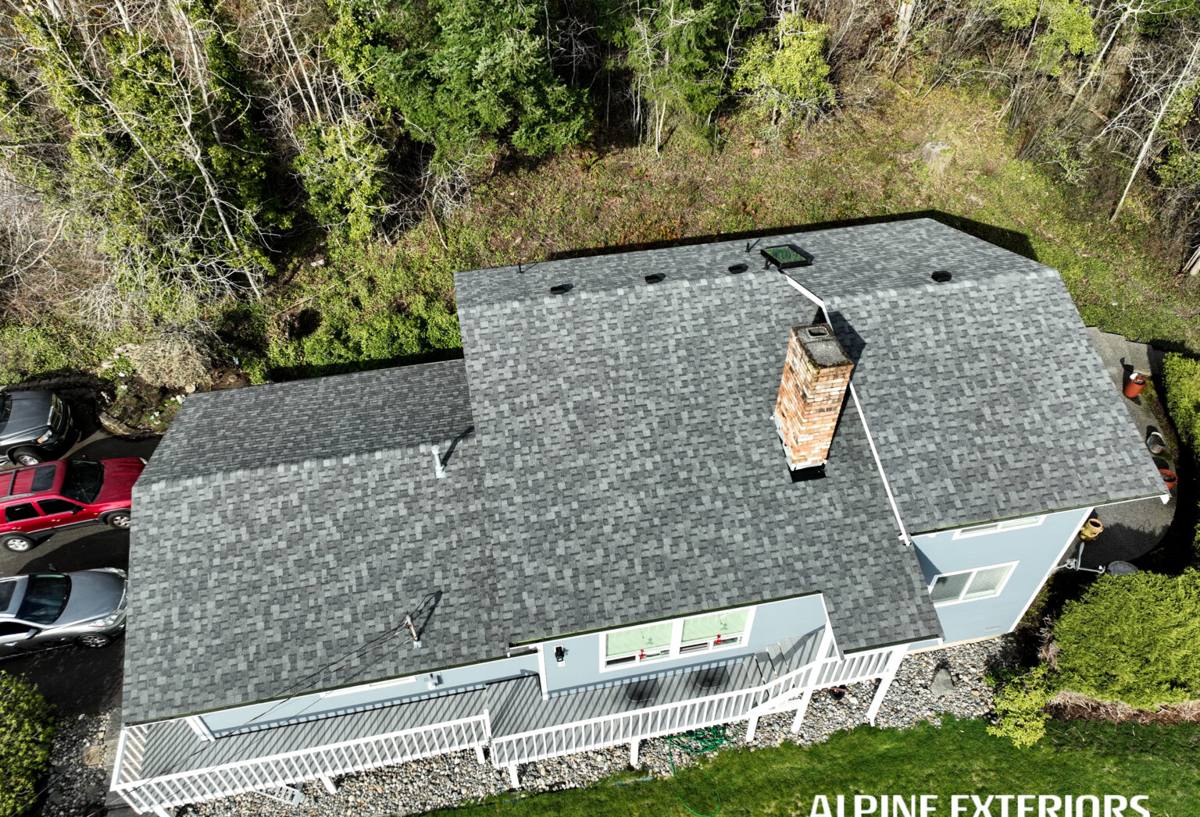
Why Decks Fail Faster in This Part of Florida
Every region has its own climate stressors, and Pasco County's combination is a tough one for outdoor wood and fastener systems specifically.
UV Exposure
Florida sun breaks down the lignin in wood fibers and degrades the UV inhibitors in sealants and finishes far faster than manufacturers' national averages assume. Surface graying, splintering, and checking (those small surface cracks that run with the grain) are almost always UV-driven, not structural — but if left unsealed, checking becomes a water entry point.
Humidity and Wind-Driven Rain
Afternoon storms don't just wet the deck surface — wind-driven rain gets pushed sideways into joints, under rail posts, and behind ledger boards where it doesn't dry out quickly. Combined with Pasco County's humidity, that moisture cycling (wet, dry, wet, dry) is what actually rots wood and corrodes fasteners, not a single big storm.
Salt Air
New Port Richey's proximity to the Gulf means salt-laden air reaches decks even without direct coastal spray. Salt accelerates corrosion in any exposed metal — nails, screws, joist hangers, bolts — well before the wood around them shows obvious damage. A deck can look fine on top while its fasteners are quietly failing underneath.
Hurricane-Force Wind Events
Beyond routine wind and rain, this area sees genuine hurricane-force wind loading during storm season. Rail systems, stair stringers, and ledger connections all take lateral and uplift stress they weren't necessarily built for decades ago. Older decks built to older (or no) code standards are the ones we see with the most repair needs after a rough season.
Signs Your Deck Needs Repair, Not Just a Cleaning
A pressure wash and a new coat of sealant can hide a lot of problems temporarily. Here's what actually points to a repair need:
- Boards that flex, bounce, or feel spongy underfoot, especially near the house
- Rust streaks running down from screw heads or joist hangers
- A railing that moves when you lean on it or grab a post
- Gaps opening up where the deck meets the house (ledger board separation)
- Soft or discolored wood around post bases or stair stringers
- Fasteners backing out or missing entirely
- Visible daylight or water staining underneath the deck near framing joints
- Cupping or crowning boards that hold standing water after rain
Any one of these on its own might be minor. Several together, especially involving the ledger board or support posts, usually mean the structure needs a real inspection, not a cosmetic fix.
Repair vs. Replacement: How We Make the Call
Not every deck problem justifies a full rebuild, and we don't push replacement when a repair will genuinely hold up. The decision usually comes down to how much of the load-bearing structure is compromised versus how much is surface-level.
| Factor | Usually Repairable | Usually Needs Replacement |
|---|---|---|
| Ledger board | Isolated flashing failure, localized rot | Widespread rot or pulling away from the house |
| Support posts & footings | One or two posts with base rot | Multiple posts compromised, undersized footings |
| Decking boards | Scattered soft or cracked boards | Majority of boards cupped, splitting, or rotted |
| Railings | Loose posts, worn balusters | Rail system doesn't meet current code height/spacing |
| Fasteners/hardware | Localized rust, easy to swap | Corrosion throughout the connection system |
| Framing joists | One or two joists sistered/replaced | Widespread joist rot or undersizing for the span |
An honest inspection tells you which column your deck falls into. We'll always show you what we found and explain the reasoning, not just hand you a number.
What a Correct Deck Repair Actually Involves
A repair that just replaces the boards you can see, without checking what's underneath, tends to fail again within a season or two here. A correct repair addresses the whole system.
Structural Inspection First
Before any board comes off, we check the ledger board attachment and flashing, post and footing condition, joist spacing and condition, and how water has been moving (or pooling) around the structure. This is where hidden problems get found — most deck failures start below the walking surface.
Fastener and Hardware Upgrades
Given the salt air and humidity in this area, we don't reuse corroded hardware just because it's "still holding." Joist hangers, structural screws, and connectors get matched to the exposure conditions, not just whatever was available when the deck was originally built.
Moisture Management
Repair work isn't complete without addressing why water was getting where it shouldn't. That can mean correcting ledger flashing, improving drainage gaps between boards, or adjusting grading so water isn't sitting against posts.
Code-Aware Repairs
Railing height, baluster spacing, stair stringer specs, and connection hardware all fall under building code, and older decks are often out of date. When we repair a rail or stair system, we bring it up to current standards rather than just patching it back the way it was.
Our Process for New Port Richey Deck Repairs
- On-site inspection — we look above and below the deck surface, check moisture readings where relevant, and identify every issue, not just the obvious one.
- Written estimate — a clear breakdown of what needs repair, what's optional, and what we recommend based on the structure's condition and remaining lifespan.
- Repair work — structural fixes first (ledger, posts, joists), then hardware, then surface decking and railings.
- Cleanup and walkthrough — we go over what was done, what to watch for, and basic maintenance to extend the repair's life.
We don't oversell replacement when a repair is the honest answer, and we don't patch over structural problems just to keep a job quick and cheap.
Why a Local Crew Matters for This Job
Deck repair isn't a one-size-fits-all trade. A crew that works Land O'Lakes and New Port Richey regularly already understands how Pasco County's climate behaves through a full year — how ledger flashing tends to fail here, which hardware holds up against the salt air, and how storm season stresses rail systems and stair connections differently than it does further inland. That familiarity means fewer surprises during inspection and a repair plan built around how your deck will actually be used and exposed, not a generic checklist.
It also means accountability. We're not a crew that shows up once from out of the area — we're around after the job's done if a question comes up.
Maintaining Your Deck Between Repairs
Whether your deck just had work done or is holding steady for now, a few habits go a long way in this climate:
- Reseal or re-stain wood decking on a regular schedule — UV breaks down finishes faster here than in milder climates
- Keep gutters and downspouts clear so runoff doesn't pour directly onto or under the deck
- Sweep debris out of board gaps so water can actually drain instead of sitting
- Check railing posts and stair stringers for movement a couple times a year, especially after storm season
- Rinse salt residue off hardware and railings periodically if you're closer to the coast
- Watch for soft spots near the ground where posts meet footings
Catching small issues early is almost always cheaper than waiting for them to become structural.
Get an Honest Look at Your Deck
If your New Port Richey deck has a soft board, a wobbly rail, or you just haven't had it checked in a while, we're happy to take a look. The estimate is free, there's no pressure, and you'll get a straight answer about whether you need a repair, a full rebuild, or nothing at all right now. Use the form below to get started.