 Land O'Lakes Siding
 Building a Deck That Actually Holds Up in Angus Valley
Angus Valley homeowners know Land O'Lakes weather doesn't do anything halfway. You get long stretches of intense, direct sun that bakes exposed wood and plastic alike, then a summer storm season that brings wind-driven rain sideways under eaves and across open yards. On top of that, this part of Pasco County sits close enough to the Gulf that salt-laden air finds its way inland on a breeze, and when a tropical system spins up, deck structures are one of the first things put to the test by sustained wind loads. A deck built for a mild climate, or built by someone who's never had to think about any of this, will show it within a few seasons — cupped boards, rusted fasteners, a railing that's gone spongy at the post base.
A deck built correctly for this specific environment is a different thing entirely. It's not about upgrading everything to the most expensive option available; it's about matching the framing, fasteners, decking material, and drainage details to what Angus Valley's climate actually demands, and skipping the shortcuts that only show their cost two or three years down the road.
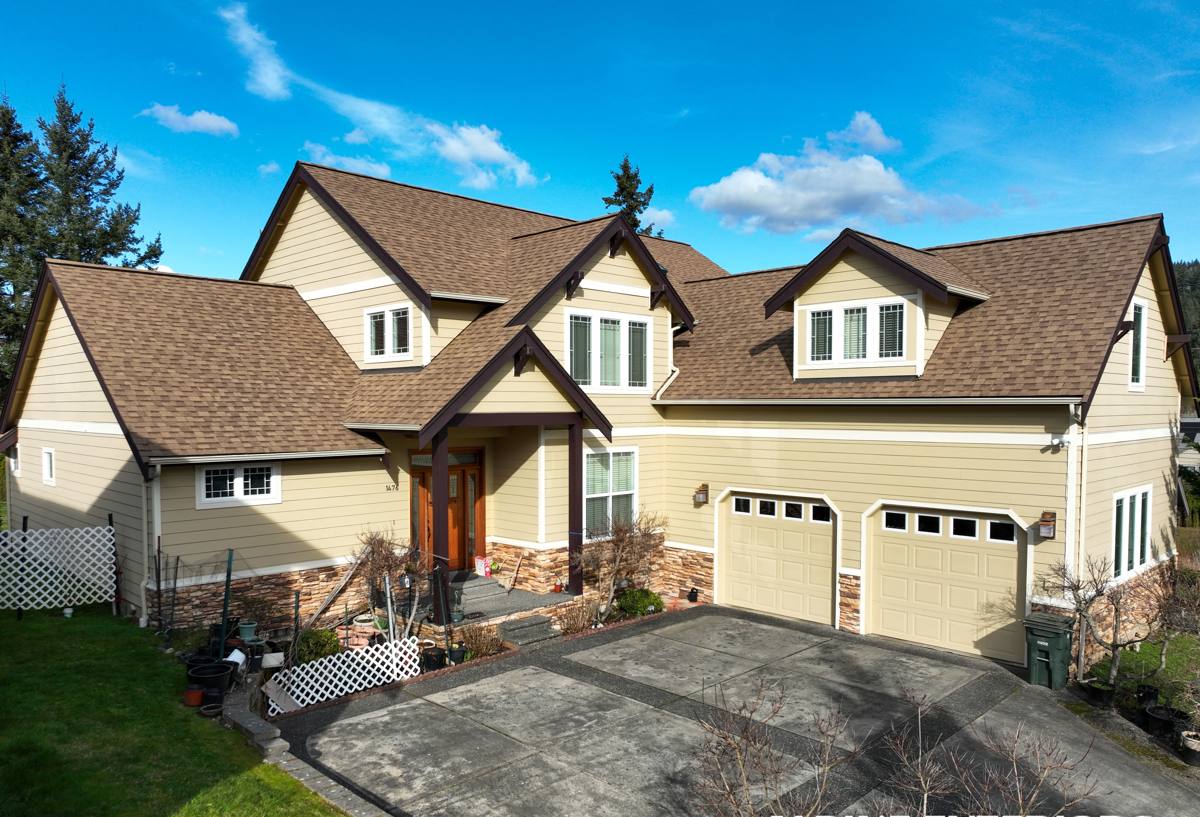
What Angus Valley Properties Tend to Need From a Deck
Every neighborhood has its own mix of lot sizes, home ages, and yard conditions, and those details shape what a deck project actually involves before a single board goes down. In established Land O'Lakes communities like Angus Valley, we typically run into a combination of the following:
- Homes built across a range of decades, meaning existing ledger connections, siding types, and slab or crawlspace foundations vary from house to house — nothing gets designed generically.
- Mature trees and established landscaping close to the house, which affects footing placement, drainage paths, and how much direct UV a deck surface will actually see day to day.
- Central Florida's sandy-to-clay soil transitions, which change how deep and how wide footings need to be poured to meet code and actually hold under wind uplift.
- Backyards used year-round for grilling, entertaining, and pool decks, which puts real wear on the surface instead of the deck sitting idle most of the year.
None of this is unusual, but it does mean a deck plan that worked for a house two streets over may not be the right plan for yours. We walk the actual lot before we design anything.
Choosing a Decking Material That's Right for This Climate
The material decision is where most of a deck's long-term performance — and most of its maintenance headaches — gets decided. There's no single "best" option; there's a best option for your budget, your sun exposure, and how much upkeep you actually want to do.
Pressure-Treated Wood
Still the most affordable option and a perfectly reasonable choice when it's installed and maintained correctly. In Pasco County's UV and rain cycle, that means real commitment to sealing on a schedule — skip a year or two and you'll see graying, splitting, and fastener pop. We only use it when the homeowner understands and wants that maintenance rhythm.
Capped Composite
A composite core wrapped in a protective outer shell. It resists fading and moisture absorption far better than uncapped wood-composite blends, which matters here because uncapped composite boards can hold moisture and degrade faster under constant Florida humidity and rain. Composite costs more upfront and pays that back in far less maintenance over the life of the deck.
PVC Decking
Fully synthetic, no wood content at all, so it has essentially no moisture-absorption risk and holds up well against salt air and UV. It's the highest upfront cost of the three but the lowest lifetime maintenance, and it's a strong fit for pool decks and shaded areas that stay damp longer after a storm.
| Material | Upfront Cost | Maintenance | How It Handles FL Sun & Rain |
|---|---|---|---|
| Pressure-Treated Wood | Lowest | Annual sealing/staining | Good if maintained; degrades fast if not |
| Capped Composite | Mid to High | Occasional cleaning | Strong fade and moisture resistance |
| PVC | Highest | Minimal | Excellent moisture and salt-air resistance |
We'll talk through all three honestly, including which one earns back its cost fastest for your specific use of the space — a shaded deck under tree cover behaves very differently than one taking full afternoon sun.
What Actually Holds a Deck Together in a Windstorm
Decking material is the part homeowners notice; the structure underneath is the part that determines whether the deck survives a bad storm season. Florida Building Code sets minimum requirements for a reason, and in a wind-exposed area like Land O'Lakes, we don't treat those minimums as a ceiling to design down to.
Footings and Framing
Footing depth and diameter get sized to local soil conditions and the deck's actual load, not a one-size formula. Joist spacing, beam sizing, and ledger attachment (when the deck ties into the house) all get engineered to resist both downward load and wind uplift — the force that tries to lift a deck structure during high winds, not just push it sideways.
Fasteners and Hardware
This is where a lot of deck failures actually start, and it's invisible once the boards go down. Standard hardware corrodes fast in Florida's humidity and any salt air exposure. We use stainless or coated fasteners and structural connectors rated for exterior, coastal-adjacent use — hurricane ties, joist hangers, and post bases that won't rust out from underneath a deck that otherwise looks fine on top.
Railings and Guards
Railing posts take the brunt of both daily use and wind load. Post attachment gets reinforced beyond a basic toe-nail connection, and we check that guard height and baluster spacing meet current code — a detail that gets missed on a surprising number of older or DIY decks we're asked to repair.
Permits and Inspections in Pasco County
Deck construction in unincorporated Pasco County, including Land O'Lakes, requires a building permit in almost every case — this isn't optional paperwork, it's what confirms the footings, framing, and attachment meet current wind and load code. We pull permits, schedule the required inspections, and handle the back-and-forth with the county so you're not the one tracking down inspection windows. Skipping permitting on a deck can create real problems later, from insurance claim denials to complications when you go to sell the house.
How We Approach a Custom Deck Project
- On-site consultation. We walk your Angus Valley property, look at sun exposure, drainage, tree cover, and how the house is built, and talk through how you actually plan to use the space.
- Design and material selection. You get a real plan — layout, size, material, and railing choice — with honest cost and maintenance trade-offs for each option, not a single upsell path.
- Permitting. We prepare and submit what Pasco County requires and schedule inspections at each required stage.
- Construction. Footings, framing, decking, and railings go in with the fastener and hardware standards described above — not the cheapest hardware that happens to pass inspection.
- Final walkthrough. We go over the finished deck with you, confirm everything meets the plan, and cover the maintenance schedule for whatever material you chose.
Signs an Existing Deck Needs Attention
A lot of our Angus Valley calls start with a homeowner noticing something felt "off" underfoot. Worth checking your current deck against this list:
- Boards that feel spongy, bounce, or flex more than they used to
- Rust streaks around fasteners or visible corrosion on hardware
- Railing posts that wiggle at the base
- Gaps opening up between decking boards or boards cupping/warping
- Any sign the ledger board (where the deck meets the house) has separated or shows water staining behind it
- A deck built more than 10-15 years ago that's never had a structural inspection
Any one of these is worth a look before it becomes a safety issue rather than a repair.
Ongoing Maintenance for This Climate
Whatever material you choose, a little seasonal attention goes a long way in Pasco County's sun and rain. Wood decks need sealing on a consistent schedule — skipping a year shows. Composite and PVC need far less, generally a rinse and occasional cleaning to keep pollen, mildew, and salt residue from building up on the surface. All decking benefits from keeping gutters and nearby drainage clear so water isn't pooling against footings or framing after heavy rain. We'll give you a maintenance rundown specific to what we install, not a generic pamphlet.
Why Local Experience in Angus Valley Matters
A contractor who already knows Land O'Lakes' soil, the local permitting process, and how Pasco County's wind and rain patterns actually behave in a given neighborhood isn't guessing at any of this — it's routine. That translates directly into fewer surprises during the build, a permit process that doesn't stall, and a deck engineered for the wind and moisture conditions your yard actually sees, not a generic textbook climate.
If you're planning a new deck or replacing one that's past its prime, we're happy to come take a look and talk through honest options for your property — no pressure, no obligation. Use the form below to request a free estimate.