 Land O'Lakes Siding
 Roofing Built for Wesley Chapel's Climate, Not a Generic Florida Roof
Wesley Chapel has grown fast, and a lot of that growth means roofs that are now old enough to be showing their age at the same time. Whether your home sits in one of the newer developments or an older pocket of Land O'Lakes near it, the roof over your head is fighting the same battle every day: intense year-round UV that breaks down roofing materials from the top down, sudden downpours that test every seam and flashing detail, and the real possibility of hurricane-force wind gusts during storm season. Add in the salt-laden air that drifts inland from the Gulf and works on metal fasteners and flashing over time, and you have a climate that is genuinely harder on a roof than most of the country deals with.
A roof replacement here is not just "put new shingles on." Done correctly, it is a system - deck, underlayment, flashing, ventilation, and covering - that has to work together to shed water, survive wind uplift, and hold up to sun exposure for the long haul. This page covers what that looks like specifically for a roof replacement in Wesley Chapel.
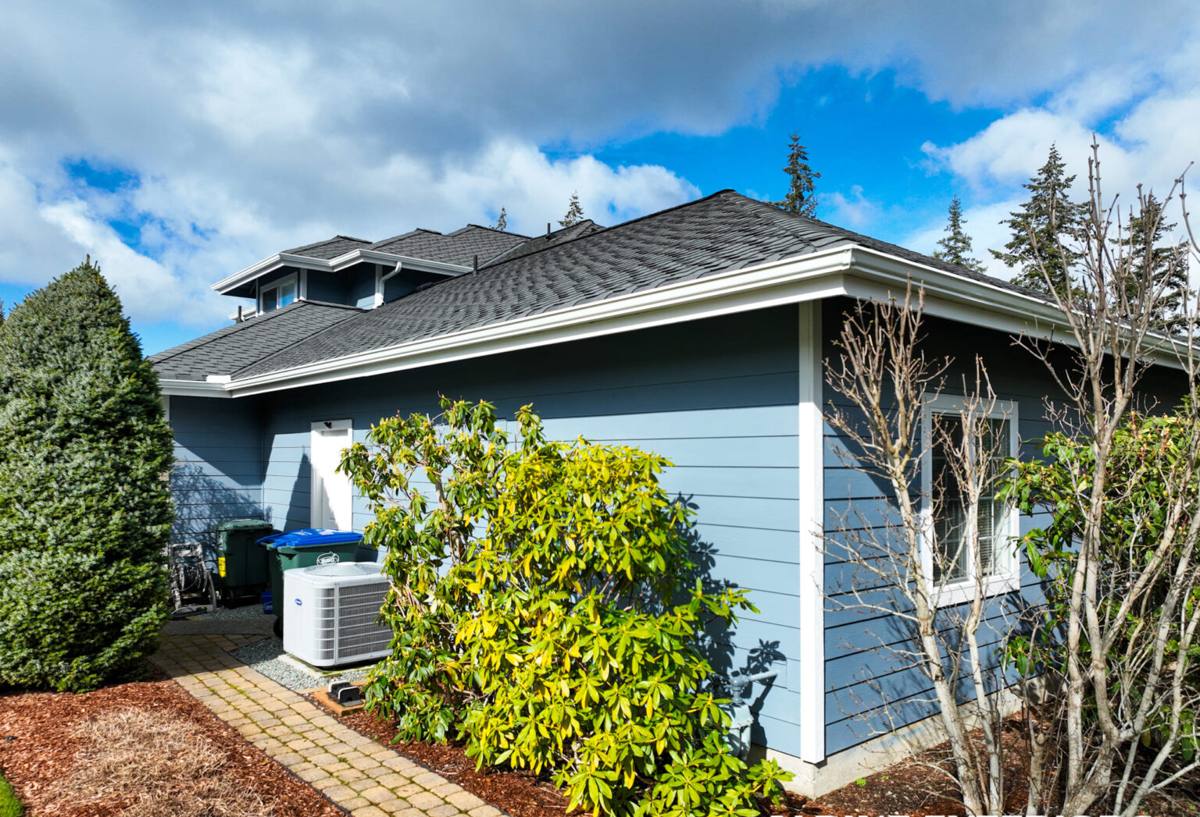
Signs a Wesley Chapel Roof Needs Replacement, Not Another Repair
Not every roof problem means a full replacement, but in this climate, roofs age faster than homeowners expect, and repeated patch repairs eventually cost more than doing the job right. Here's what typically signals it's time to stop repairing and start planning a replacement.
- Shingles that are cupping, curling, or losing significant granules - a sign UV exposure has broken down the asphalt itself
- Multiple areas of active or past leaking, especially around valleys, chimneys, or skylights
- Visible sagging anywhere in the roofline, which can point to deck or structural issues underneath
- A roof nearing or past the manufacturer's expected service life for its material type
- Missing or lifted shingles after wind events, particularly if it keeps happening in the same spots
- Rising attic temperatures or energy bills, which often trace back to failing ventilation or a worn-out roof assembly
- Visible daylight through the attic decking, or soft/spongy spots when walked on during inspection
If you're seeing two or more of these, a replacement is usually the more honest recommendation - not because repair isn't possible, but because repeated repairs on a roof that's structurally past its prime rarely hold up through the next storm season.
What a Correct Roof Replacement Actually Involves
Full Tear-Off, Not a Layover
We remove the existing roofing material down to the deck rather than installing new shingles over old ones. A layover hides deck problems, traps heat, and voids most manufacturer warranties. Tear-off is the only way to actually inspect what's underneath.
Deck Inspection and Repair
Once the old roofing is off, we inspect the plywood or OSB decking for soft spots, rot, or delamination - common where past leaks went unnoticed. Any damaged sections get replaced before anything new goes down. Skipping this step is one of the most common ways a "new" roof fails early.
Underlayment and Flashing
The underlayment is your roof's backup water barrier, and in a climate with wind-driven rain, it matters as much as the visible roofing material. We pay particular attention to flashing at valleys, chimneys, skylights, and wall intersections - these are the spots where the overwhelming majority of roof leaks actually start, not out in the open field of the roof.
Ventilation
Proper intake and exhaust ventilation keeps attic temperatures down and moisture from building up under the deck. In our heat and humidity, poor ventilation shortens the life of everything above it, including the shingles themselves.
Wind-Resistant Installation
Fastening patterns, nail placement, and starter strip installation all affect how well a roof holds up under wind uplift. This is a detail that's easy to shortcut and hard to notice until a storm rolls through - which is exactly when it matters most.
Material Options for Wesley Chapel Homes
There isn't one "best" roofing material for every home - it depends on your roof's slope, your budget, your home's style, and how long you want the system to last. Here's an honest comparison of the options we install most often in this area.
| Material | Typical Lifespan | Wind/Storm Performance | Considerations |
|---|---|---|---|
| Architectural (laminated) asphalt shingles | 20-30 years | Good, with wind-rated products available | Best value; wide color range; most common choice in this market |
| 3-tab asphalt shingles | 15-20 years | Lower wind resistance than architectural | Lower upfront cost, but less common on newer replacements due to shorter service life |
| Standing seam metal | 40-50+ years | Excellent when properly installed | Higher upfront cost; strong long-term value; handles heat and heavy rain well |
| Concrete or clay tile | 40-50+ years | Very good, but individual tiles can crack from impact | Heavier - requires the structure to support the load; common on newer Wesley Chapel builds |
Whatever material you choose, we install it to meet or exceed the manufacturer's wind-rating specifications for our region - that's a non-negotiable part of doing the job correctly here, not an upsell.
Wind, Rain, and Florida Building Code
Pasco County isn't in Florida's High-Velocity Hurricane Zone (that designation applies to Miami-Dade and Broward counties), but Wesley Chapel homes are still built and re-roofed under Florida Building Code wind-speed and wind-borne debris requirements for our region. That means permitted roof work has to meet specific fastening, underlayment, and material standards - it isn't optional, and it isn't something a contractor can skip to save time.
We pull the required permits, schedule the necessary inspections, and install to code as a matter of course. If a contractor offers to skip permitting to save you money, that's a red flag, not a discount - it usually means the work won't hold up to scrutiny, and it can create real problems if you ever file an insurance claim or sell the home.
How Our Replacement Process Works
- On-site inspection and estimate - We look at your current roof, discuss material options, and give you a clear, honest estimate with no pressure to decide on the spot.
- Material selection - We walk through the trade-offs of each option based on your home, budget, and how long you plan to stay in it.
- Permitting - We handle the permit application and scheduling with Pasco County so you don't have to navigate that process yourself.
- Tear-off and deck inspection - Old roofing comes off, the deck gets inspected, and any needed repairs are addressed before moving forward.
- Underlayment, flashing, and ventilation installation - The parts of the job you won't see once it's finished, but that determine how well the roof performs in a storm.
- Final roofing installation - Shingles, metal panels, or tile go down to manufacturer specifications and wind-rating requirements.
- Cleanup and final inspection - Job site is cleared of debris and nails, and the work is signed off through the required county inspection.
What to Expect During the Job
Most residential roof replacements in this area take one to a few days depending on the size and complexity of the roof, the material chosen, and weather. Florida's afternoon storm patterns can push timelines by a day here and there - we plan around that rather than rushing to beat the clock, since a rushed tear-off caught by a surprise downpour is how deck damage happens.
Expect some noise, some debris in the yard during the work (which we clean up as part of the job), and a magnetic nail sweep at the end to protect driveways, walkways, and where kids or pets play.
Cost Factors Homeowners Should Understand
Roof replacement costs vary based on several real factors, and any contractor who quotes a number without seeing your roof in person is guessing. The main drivers are:
- Roof size (total square footage of roofing surface, not just the home's floor plan)
- Roof pitch and complexity - steep roofs and roofs with lots of valleys, dormers, or penetrations take more labor
- Material selected - asphalt, metal, and tile carry different material and installation costs
- Condition of the deck underneath - hidden rot or damage found during tear-off adds material and labor
- Permitting and inspection requirements specific to the scope of work
- Accessibility of the roof for equipment and material staging
We break these factors down in plain terms during your estimate so you understand what you're paying for, not just a bottom-line number.
Why Local Experience in Wesley Chapel Matters
A crew that already works in and around Wesley Chapel understands how this area's roofs actually age - which materials hold up to the heat and UV exposure here, which flashing details tend to fail first in wind-driven rain, and what the county expects during permitting and inspection. That familiarity shortens the guesswork and reduces the chance of surprises mid-project.
It also means we're not a crew that shows up once and disappears. We work in this community regularly, which is its own kind of accountability - the work has to hold up because we'll be back in the neighborhood.
If your roof is showing its age or you just want an honest opinion on repair versus replacement, we're happy to take a look. Fill out the form below for a free, no-pressure estimate on your Wesley Chapel roof replacement.