 Land O'Lakes Siding
 Siding in Bexley Has to Answer to Florida Weather, Not Just Curb Appeal
Bexley sits inland from the Gulf in Land O'Lakes, but "inland" in Pasco County still means real exposure. Homes here take on intense year-round UV that bakes exterior surfaces day after day, wind-driven rain that finds every gap in a poor installation, hurricane-force wind gusts during the season, and salt-laden air that drifts in off the Gulf and slowly works on anything not built to resist it. A siding product and installation that were never engineered for this combination will show it early — fading, swelling, cracking, or pulling loose at the fasteners well before a homeowner expects to think about siding again.
That's the frame we bring to every Bexley job: this isn't a generic siding install, it's an install for this specific climate. The material has to be right, and the workmanship has to be right, because in this part of Florida the two failures show up fast and they show up together.
Sun and Heat Load, Every Single Day
Pasco County gets sun exposure most of the year, and siding on south- and west-facing walls in Bexley takes the brunt of it. Cheap or poorly finished siding chalks, fades unevenly, or warps under sustained heat. A factory-baked finish that's engineered to hold color and resist UV breakdown isn't a luxury here — it's the difference between siding that still looks good in year eight and siding that already needs repainting.
Wind-Driven Rain and Storm Season
Wind-driven rain doesn't fall straight down — it gets pushed sideways into seams, laps, and trim joints. If flashing, house wrap, and caulking weren't done correctly, water gets behind the siding regardless of how good the siding itself is. Add hurricane-force wind gusts to that equation and any weak fastening pattern or under-engineered product becomes a real liability during storm season, not just a cosmetic issue.
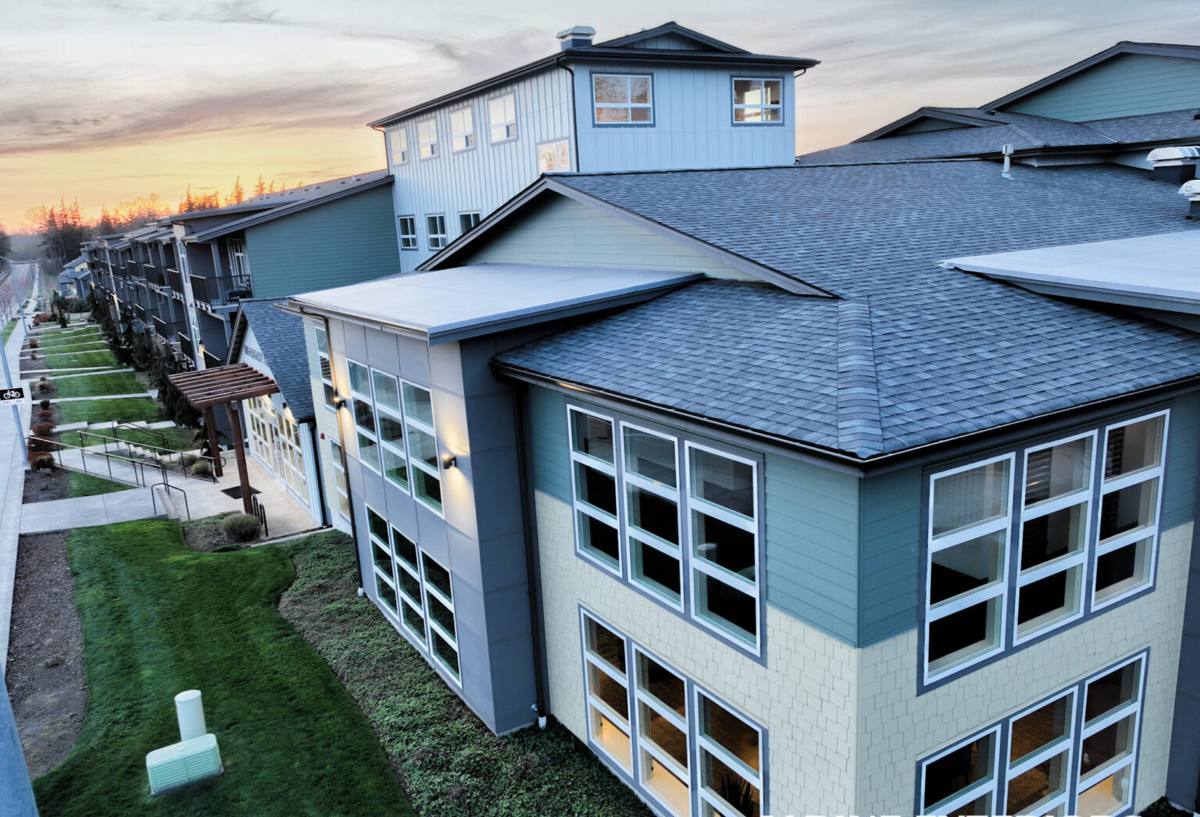
Why We Only Install James Hardie in Bexley
We don't install vinyl, LP SmartSide, Cemplank, Allura, or primed wood siding — not because those products don't have a place in the market, but because we've made a professional decision about what we're willing to put our name behind on Florida exteriors, and James Hardie fiber cement is it.
Fiber cement is non-combustible, which matters in a state where wildfire and electrical exposure are real risk factors homeowners think about with insurance. It doesn't rely on paint alone to hold its color — Hardie's ColorPlus finish is baked on at the factory in a controlled process, which holds up to UV and humidity far better than field-applied paint. And Hardie engineers its HZ5 product line specifically for hot, humid, storm-prone climates like ours, addressing moisture behavior and durability in ways general-purpose siding wasn't designed to handle.
None of that replaces good installation — bad workmanship can undercut even the best material — but it means we're starting every Bexley project with a product built for the conditions the house actually faces.
What a Correct Installation Actually Involves
The material is only half the job. The other half is everything most homeowners never see once the siding is up — the prep work and details underneath it.
Substrate and Moisture Barrier
Before any siding goes up, the wall needs a sound substrate and a properly lapped weather-resistive barrier. In Florida's humidity, any gaps or shortcuts here create a path for moisture to get trapped against the sheathing, which leads to rot and mold long before the siding itself fails visibly.
Fastening for Wind Zones
James Hardie publishes specific fastener spacing and placement requirements tied to wind exposure. Bexley's wind zone means fastening isn't a "close enough" job — nail placement, embedment depth, and spacing all affect how the siding performs when a storm actually tests it. Installers who don't follow Hardie's published fastening schedule are installing a product that no longer performs the way it was engineered to.
Flashing, Trim, and Sealant Details
Window heads, door trim, roof-to-wall transitions, and butt joints are where water intrusion actually starts. Correct flashing sends water back out and away from the wall assembly instead of trapping it. Sealant should be used at the specific joints Hardie's installation instructions call for — not slathered everywhere as a substitute for proper flashing, which is a common shortcut that fails within a few years.
Proper Clearances
Hardie siding needs clearance from the ground, roof lines, and other hard surfaces to avoid wicking moisture. Skipping these clearances is one of the most common causes of early siding failure we see on homes that weren't installed to spec in the first place.
Matching the Product to Bexley's Home Styles
Bexley is a newer, master-planned community with a mix of architectural styles — Craftsman-influenced facades, coastal and farmhouse looks, and clean modern exteriors. James Hardie's product lines cover that range without forcing a homeowner to compromise on the look they want.
- HardiePlank lap siding — the most common choice for traditional and farmhouse-style exteriors, available in multiple exposure widths and textures.
- HardiePanel vertical siding — often used for board-and-batten accents or full modern facades.
- HardieTrim — window and door surrounds, corner boards, and frieze boards that finish the job cleanly and resist the same UV and moisture exposure as the field siding.
- HardieSoffit — panel options for soffit areas, which matter in Florida because poor soffit ventilation and moisture handling contribute to attic and roof problems.
What Happens When Installation Falls Short in This Climate
The table below is a straightforward look at where things go wrong when siding isn't matched to Bexley's conditions, or isn't installed to Hardie's specifications.
| Climate Stressor | Correct Approach | Result of Cutting Corners |
|---|---|---|
| Intense year-round UV | Factory-baked ColorPlus finish rated for sun exposure | Fading, chalking, and premature repainting |
| Wind-driven rain | Proper flashing, lapping, and sealant at joints | Water intrusion behind siding, hidden rot |
| Hurricane-force wind gusts | Hardie-specified fastener spacing and embedment | Panels loosening or failing under storm load |
| Salt air exposure | Non-combustible fiber cement with factory finish | Accelerated wear on unprotected or poorly finished materials |
| High humidity | Correct clearances and ventilated wall assembly | Trapped moisture, mold, and substrate damage |
How Our Process Works on a Bexley Home
Every job starts with an on-site inspection of the existing siding and wall assembly, not a drive-by estimate. We look at what's underneath the current siding, check for existing moisture or rot damage, and assess sun and wind exposure by elevation before recommending a scope of work.
From there, we walk the homeowner through product selection — plank profile, exposure width, trim details, and ColorPlus color options — and provide a clear, written scope so there are no surprises about what's included. Many sections within planned communities like Bexley operate under HOA architectural guidelines, so we factor color and style approval timelines into the schedule where applicable rather than treating it as an afterthought.
During installation, we follow James Hardie's published fastening, flashing, and clearance specifications, not a generalized "siding installation" approach borrowed from other products. That's the only way the warranty and the climate engineering built into the product actually hold up over time.
Maintenance in Bexley's Climate
One of the practical advantages of a correctly installed James Hardie system is how little ongoing maintenance it demands compared to wood or vinyl. It won't rot, and it doesn't need repainting on the aggressive schedule that field-finished materials require in Florida sun. That said, homeowners should still do a periodic visual check.
- Rinse siding periodically to clear pollen, salt residue, and organic buildup.
- Inspect caulk lines at trim and window joints once a year and have any cracking addressed promptly.
- Watch for staining or discoloration near ground level, which can signal a clearance or drainage issue rather than a siding defect.
- After a significant storm, do a visual walk-around for loose panels, damaged trim, or exposed fasteners.
- Keep sprinklers and irrigation from spraying directly onto siding on a regular basis.
Why Hiring a Crew That Already Works in Bexley Matters
Siding work in a growing community like Bexley isn't identical to siding work in an older, established neighborhood. Newer construction, HOA architectural standards, and consistent lot and wall configurations across the community mean a crew with local experience can move through prep, product selection, and HOA-related logistics more efficiently — and can spot when something about the original construction (flashing, wrap, or trim details) needs correcting rather than just covering over.
Just as important is accountability. A contractor working long-term in Land O'Lakes and Pasco County has a reason to get every detail right the first time, because they're not disappearing after the invoice clears. That matters most for a product like James Hardie, where the difference between a correct install and a rushed one often isn't visible until a few storm seasons in.
If you're weighing a siding project in Bexley — whether it's a full replacement or you just want an honest assessment of what your current siding needs — we're happy to walk the property, answer questions, and put together a clear, no-pressure estimate. There's no obligation, just a straight answer about what your home needs.