 Land O'Lakes Siding
 Windows That Actually Hold Up in Suncoast Meadows
Suncoast Meadows homes take a beating from the sky most of the year. Between hurricane-season wind loads, wind-driven rain that finds every weak seam, and Florida sun that bakes vinyl and glass day after day, a window installed the wrong way — or the wrong window installed the right way — doesn't last. It shows up as fogged glass, soft frames, water stains under the sill, or a window that won't lock true anymore. None of that is normal wear. It's usually a sign the original install or the product itself wasn't matched to what this part of Pasco County actually deals with.
This page is about one job: replacing or installing windows on homes in and around Suncoast Meadows. Not a general overview of window brands, not a company history — just what local homes need, what a correct installation looks like, and how we handle it.
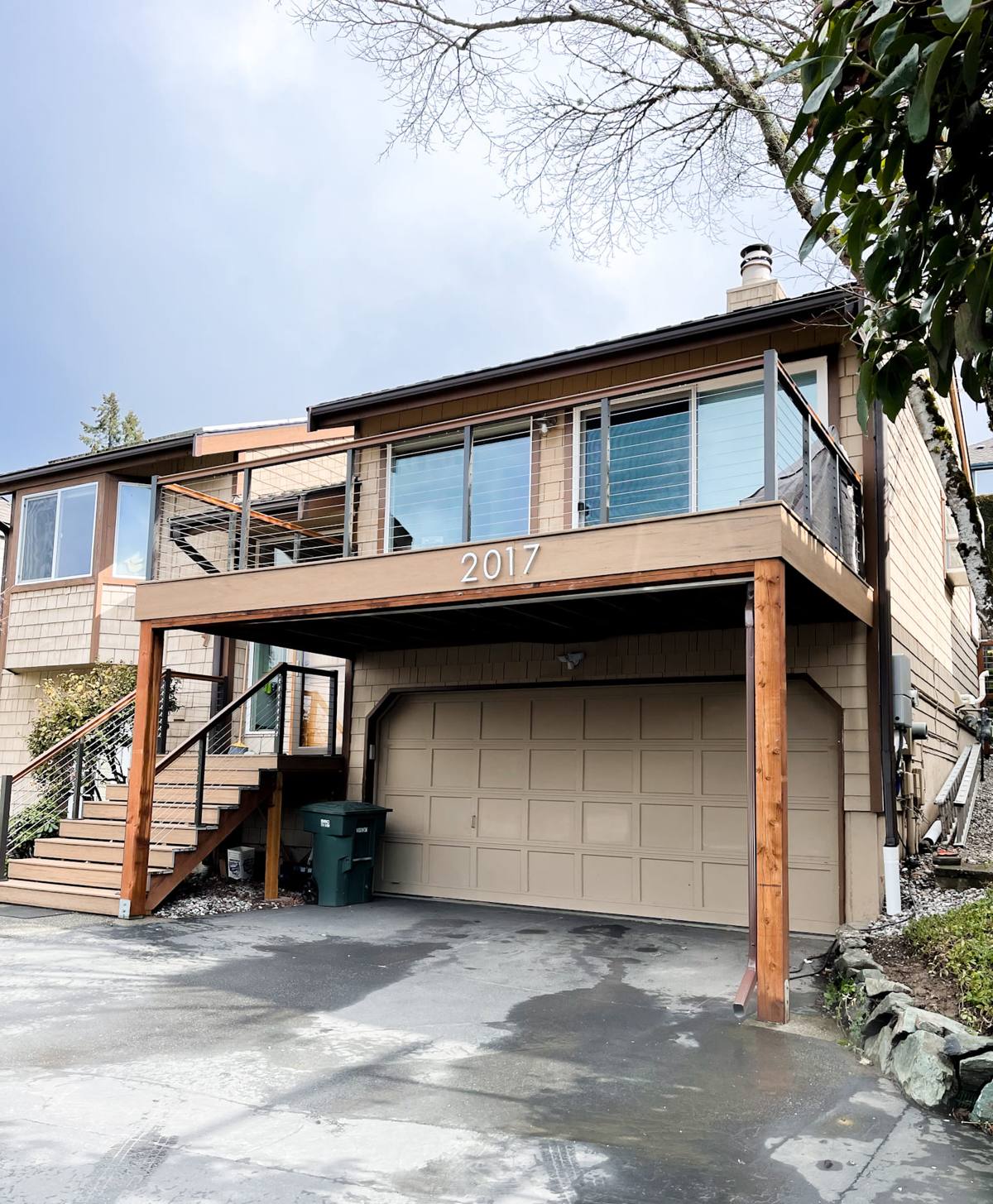
What Land O'Lakes Weather Does to a Window Over Time
Every window on a Suncoast Meadows home is fighting a combination of stresses most of the country doesn't deal with together in one climate:
- Hurricane-force wind loads — even homes that never take a direct hit still get repeated exposure to tropical-storm-strength gusts that flex frames and stress seals over years, not just during one storm.
- Wind-driven rain — rain in this part of Florida rarely falls straight down. It gets pushed sideways into the wall assembly, which means flashing and sealant details matter as much as the window unit itself.
- Intense, year-round UV — Florida sun degrades vinyl, weatherstripping, and low-grade sealants faster than almost anywhere in the continental U.S. UV is often the real reason a 12-year-old window looks 25 years old.
- Salt-influenced air — Pasco County sits close enough to the Gulf that airborne salt content is a factor for hardware and metal components, even well inland from the immediate coastline.
- Heat and humidity cycling — daily swings between AC-cooled interiors and hot, humid exteriors put constant pressure on seals and insulated glass units.
None of these forces are unique to Suncoast Meadows specifically, but they're the reality for every home in this pocket of Land O'Lakes, and they're why a window that performs fine in a milder climate can fail here years ahead of schedule.
What Pasco County Code Actually Requires
Wind Load and Impact Standards
Florida's building code sets wind-load and, in many cases, impact-resistance requirements based on your county and how close you are to the coast. Pasco County is outside the state's High-Velocity Hurricane Zone (that's Miami-Dade and Broward), but it still falls under Florida Building Code wind-borne debris provisions in many areas. In practice, that means new and replacement windows generally need to either carry an impact rating or be paired with code-approved protection, and every installation needs a product that's been tested and labeled for the specific wind pressures at your address.
Permits Aren't Optional
Window replacement in Land O'Lakes requires a permit through Pasco County, and the inspector is checking more than whether the window looks straight. They're verifying the product's approval documentation matches what's installed, that anchoring meets the manufacturer's tested installation instructions, and that flashing and sealant details are done correctly. Skipping the permit doesn't just risk a fine — it can leave you without proof of code compliance when you sell the house or file an insurance claim after a storm.
Signs a Suncoast Meadows Home Needs New Windows
Most homeowners don't call about windows until something is obviously wrong, but by the time you notice these signs, the underlying damage is often already spreading into the wall framing:
- Fogging or a hazy film between the panes — the seal on the insulated glass unit has failed and moisture has gotten inside
- Windows that are hard to open, close, or lock, or that no longer sit flush in the frame
- Soft, discolored, or bubbling drywall or trim around the window after heavy rain
- Visible daylight or a draft around the frame when the window is closed
- Chalky, brittle, or warped vinyl or aluminum framing
- A noticeable jump in cooling costs with no other explanation
- Condensation forming on the interior glass regularly, even with the AC running
Any one of these on its own might just mean a repair. Two or three together usually mean the window has reached the end of its useful life and continuing to patch it is throwing money at a problem that's only going to get worse through another hurricane season.
Choosing the Right Window for This Climate
There's no single "best" window for every home — it depends on your budget, your home's construction, and how exposed a given wall is. But some factors matter more here than they would in a milder climate.
| Frame Material | Strength in This Climate | Trade-Off |
|---|---|---|
| Vinyl | Good UV-stabilized options resist fading and don't corrode; no repainting | Lower-grade vinyl can warp under sustained heat; quality varies a lot between products |
| Aluminum | Strong, holds up well under high wind pressure ratings | Conducts heat, so it needs thermal breaks to perform well in Florida's climate |
| Fiberglass | Very stable dimensionally, resists warping and UV degradation | Higher upfront cost than standard vinyl |
| Wood / wood-clad | Traditional look, good insulation value | High maintenance burden in humidity and salt air; we're honest that it's a poor fit for most exposed walls here |
Glass and Impact Rating
Impact-rated glass (laminated glass with a reinforced interlayer) is the standard we recommend for most Suncoast Meadows homes, particularly on street-facing and second-story windows that take the most direct wind exposure. It handles wind-borne debris, cuts down noise, and blocks a significant amount of UV compared to standard glass. Low-E coatings are worth the small added cost almost everywhere in Florida — they reduce solar heat gain, which matters when your AC is running most of the year.
How We Handle an Installation
A window is only as good as the installation around it. Here's the sequence we follow on every job, and it's worth knowing because it's also how you can tell a rushed job from a correct one:
- On-site measurement and assessment. We measure the existing rough opening, check for level and square, and look at the condition of the framing and sheathing behind the current window — this is where hidden water damage from a previous bad install usually turns up.
- Product selection matched to wind zone. We confirm the correct pressure and impact rating for that specific wall and opening based on the home's exposure, not a one-size-fits-all spec.
- Removal without damaging the opening. Old windows come out carefully so we're not tearing up more of the wall than necessary, and so we get a clean look at the substrate underneath.
- Substrate repair, if needed. Any soft wood, rusted fasteners, or compromised sheathing gets addressed before a new window ever goes in. Installing a new window over a damaged opening just buries the problem.
- Flashing and weather barrier integration. This is the step that determines whether wind-driven rain stays out. Flashing tape and the weather-resistant barrier need to be layered correctly — sill pan first, then jambs, then head flashing — so water is always directed outward and down, never trapped behind the window.
- Setting, shimming, and anchoring. The window gets set level and plumb, shimmed at the manufacturer's specified points, and anchored per that product's tested installation instructions — not a generic method that happens to fit most windows.
- Sealing. Interior and exterior sealant goes in at the specified joints only — sealing everything, including the weep holes windows need to drain, is a common shortcut that traps water instead of letting it escape.
- Final check and cleanup. Every window gets operated, locked, and inspected before we call the job done, and the site is cleaned up.
Installation Mistakes We Make a Point of Avoiding
Most window failures we get called out to fix trace back to a handful of repeated mistakes, not a bad product:
- Sealing weep holes shut. These small drainage openings let intruded water escape. Caulking over them for a cleaner look is one of the most common causes of hidden rot.
- Skipping or shortcutting flashing. Caulk alone is not flashing. It degrades under UV and movement; proper flashing is a mechanical water-shedding system that doesn't rely on sealant staying perfect forever.
- Using the wrong fastener spacing or type. Every impact-rated window is engineered and tested with a specific anchoring pattern. Deviating from it can void the product's wind rating even if the window itself is correctly manufactured.
- Ignoring rot or damage behind the old window. Installing over a compromised opening guarantees a repeat failure, just delayed a few years.
- Rushing the permit and inspection process. Skipping it might save a few days now but can cost you at resale or insurance renewal.
What Affects the Cost of a Window Project
We don't quote a job without seeing it, because too many variables affect the real number. In general terms, here's what moves the price:
| Factor | Why It Matters |
|---|---|
| Number and size of openings | More and larger windows mean more material and labor |
| Impact rating required | Impact-rated glass costs more than standard glass but is often required or strongly advisable given wind exposure |
| Frame material | Vinyl, aluminum, and fiberglass sit at different price points |
| Condition of the existing opening | Rot or framing repair adds labor before the new window can even go in |
| Story height and access | Second-story or hard-to-access windows take more time and equipment |
| Full-frame vs. insert replacement | Full-frame replacement (tearing out to the studs) costs more than an insert but is sometimes the only correct option if the old frame is damaged |
Why Hiring a Crew That Already Works Suncoast Meadows Matters
Wind pressure ratings, flashing details, and permit requirements aren't uniform across Florida — they're tied to your specific location, exposure, and the Pasco County permitting process. A crew that regularly works Land O'Lakes and the Suncoast Meadows area already knows the local inspection expectations, understands how homes in this area are typically built, and isn't learning the county's requirements on your dime. That familiarity shows up in fewer inspection delays, fewer surprises once the old window comes out, and a product selection that's actually matched to how exposed your specific walls are — not a generic recommendation.
After Installation: Keeping Windows Performing
A correctly installed window in this climate still benefits from basic upkeep. Rinse frames and glass periodically to clear salt and pollen buildup, check that weep holes stay clear of debris, and inspect exterior sealant lines once a year for cracking, particularly after a rough storm season. Operate every window a few times a year even if you don't normally open it — hardware that sits unused can seize up faster in humid conditions. None of this is heavy maintenance, but it's the difference between a window that performs well for its full service life and one that starts giving you problems early.
If your Suncoast Meadows home has windows showing any of the signs above, or you're planning a proactive replacement before the next storm season, we're happy to take a look and give you a straightforward, no-pressure estimate. Use the form below to get started.