 Land O'Lakes Siding
 Why New Port Richey Roofs Wear Out Faster Than You'd Expect
If you own a home in New Port Richey, you already know the roof over your head works harder than roofs in most other parts of the country. This stretch of Pasco County sits close enough to the Gulf that salt-laden air is a constant, humidity stays high most of the year, and afternoon thunderstorms roll in with wind-driven rain that finds every weak seam in a roof system. Add in hurricane-force wind events that are a matter of when, not if, and it's no surprise that roofs here age differently than roofs inland or up north.
Intense, near year-round UV exposure bakes shingles from above while humidity and moisture work on them from below. Over time that combination breaks down asphalt granules, dries out sealant strips, and turns flashing and fasteners into the weak points that cause leaks. A roof installed without this climate in mind might look fine for a few years, but it will fail early — usually right when a big storm tests it.
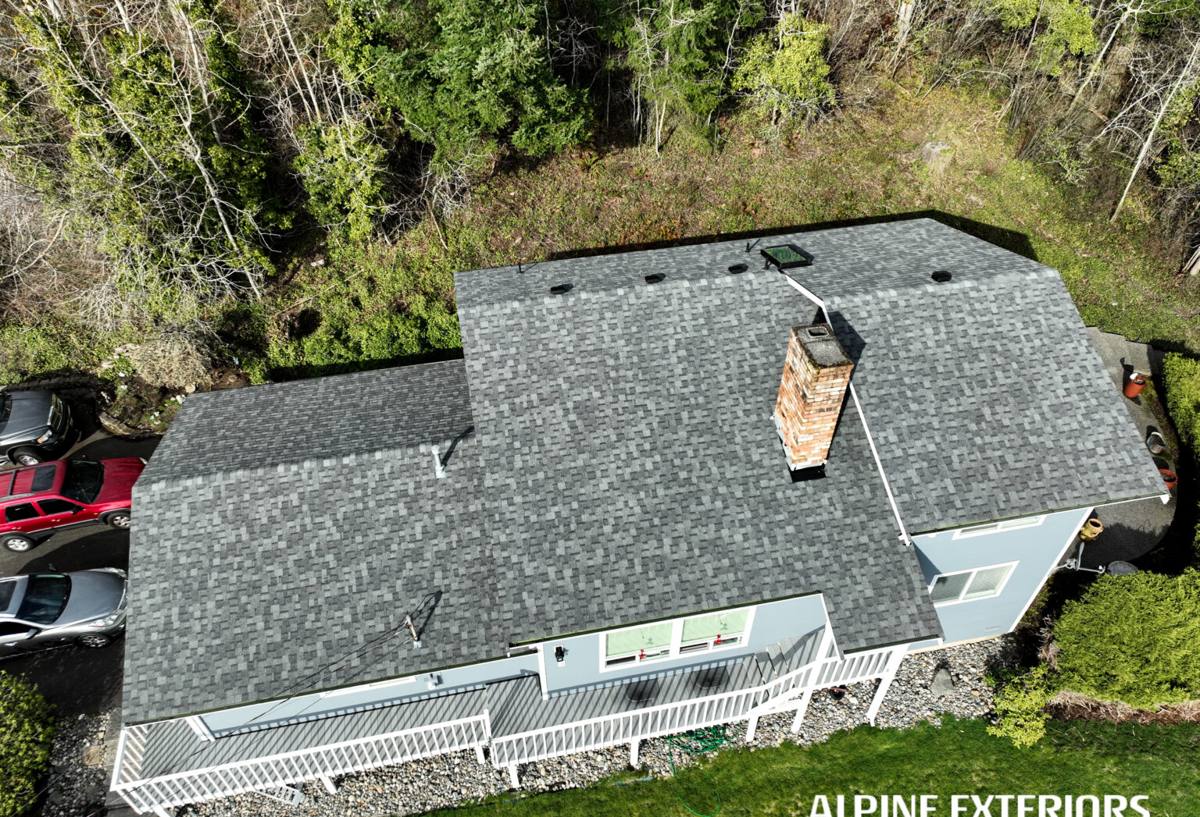
Signs a New Port Richey Home Needs a New Roof, Not a Repair
Not every roof problem calls for full replacement, and we'll never push a new roof when a targeted repair will do the job. But there's a point where patching stops making financial sense and starts becoming a pattern of chasing leaks instead of solving the underlying problem. Homeowners in this area should watch for:
- Shingles that are curling, cupping, or losing granules in large patches, especially on south- and west-facing slopes that take the most sun
- Multiple leak repairs in different spots over the past year or two
- Soft or spongy decking felt through the roof surface, a sign moisture has reached the plywood underneath
- Visible daylight or water stains in the attic around vents, chimneys, or valleys
- A roof that's 18-20+ years old and has never been fully replaced, only patched
- Rising energy bills tied to failing attic ventilation or insulation exposed by roof deterioration
If your roof is showing two or more of these signs, it's worth having someone take an honest look before the next storm season rather than after.
What a Correct New Roof Installation Actually Involves
It Starts With the Deck, Not the Shingles
A new roof is only as good as what's underneath the shingles. Before anything new goes down, the old roofing has to come off completely so the decking can be inspected. Any plywood that's soft, delaminated, or water-damaged gets replaced — covering over bad decking with new shingles just hides a problem that will resurface as a leak or a soft spot later.
Underlayment and Water Barrier
Given how much wind-driven rain this area sees, the underlayment layer matters as much as the shingles themselves. A synthetic underlayment paired with self-adhering waterproof membrane at eaves, valleys, and around penetrations gives the roof a second line of defense if wind ever drives water up under the shingle tabs — which it will, eventually, in a strong enough storm.
Flashing Done Right
Most roof leaks don't start in the open field of shingles — they start at flashing: around chimneys, skylights, plumbing vents, and where the roof meets walls. Flashing has to be properly stepped, sealed, and integrated with the underlayment, not just caulked over the top. Caulk is a maintenance item, not a substitute for correctly installed metal flashing.
Nailing Pattern and Wind Rating
Shingle wind rating only means something if the shingles are actually installed to the manufacturer's nailing pattern and Florida Building Code requirements. Roofing crews under time pressure sometimes cut corners here — wrong nail placement, too few fasteners, or nail guns set too deep — and it's invisible until a storm peels shingles off in a pattern that traces right back to the installation, not the product.
Ventilation
A hot, poorly ventilated attic shortens shingle life and drives up cooling costs. Balanced intake and exhaust ventilation lets heat and moisture escape instead of cooking the underside of the new roof deck from day one.
Choosing a Roofing Material for a Coastal Pasco County Home
There's no single "best" roofing material — the right choice depends on budget, how long you plan to stay in the home, and how much wind and maintenance tolerance you want. Here's how the common options stack up for a New Port Richey property:
| Material | Typical Lifespan | Wind Performance | Maintenance |
|---|---|---|---|
| 3-Tab Asphalt Shingle | 15-20 years | Lower wind rating; budget option | Low, but shorter service life in full sun exposure |
| Architectural/Dimensional Shingle | 20-30 years | Higher wind ratings available, good balance of cost and durability | Low to moderate |
| Standing Seam Metal | 40-50+ years | Excellent in high wind when properly fastened | Very low; higher upfront cost |
| Tile (Concrete/Clay) | 30-50+ years | Good wind performance but individual tiles can crack from impact | Moderate; underlayment typically needs earlier replacement than tiles themselves |
For most New Port Richey homes, a high-quality architectural shingle rated for higher wind speeds offers the best mix of upfront cost, appearance, and real-world performance against Gulf Coast weather. Metal is worth serious consideration for homeowners planning to stay long-term, since the lifespan and wind performance offset the higher installed cost over time.
Florida Building Code, Wind Mitigation, and Your Insurance
Pasco County permitting and the Florida Building Code set minimum requirements for wind resistance, underlayment, and fastening — a properly pulled permit and inspected reroof isn't optional paperwork, it's what confirms the job was actually done to code. Beyond the legal requirement, a code-compliant new roof with documented wind mitigation features (secondary water barrier, proper roof-to-wall connections, rated materials) can qualify your home for wind mitigation insurance credits. Those credits can meaningfully lower your homeowners premium, and the paperwork from a properly permitted, professionally installed roof is exactly what most insurers ask for when you apply.
Our New Roof Installation Process
We keep the process straightforward and communicate at each stage so there are no surprises:
- On-site inspection and estimate — we look at the existing roof, attic, and decking condition and give you an honest assessment, not just a sales pitch.
- Material selection — we walk through options and trade-offs based on your budget and how long you plan to stay in the home.
- Permitting — we handle the Pasco County permit and code requirements so the finished roof is fully documented and insurable.
- Tear-off and deck inspection — full removal of old roofing, with any damaged decking replaced before new materials go down.
- Underlayment, flashing, and shingle or material installation — installed to manufacturer spec and local wind requirements, not shortcuts.
- Cleanup and final walkthrough — magnetic sweep for stray nails, full site cleanup, and a walkthrough so you can see the finished work.
- Final inspection and documentation — we make sure the permit closes out and you have what you need for insurance or resale records.
What to Expect During Your Reroof: A Practical Checklist
- A written estimate that itemizes materials, labor, and any decking replacement contingency
- Proof of licensing and insurance before any work begins
- A pulled permit — never a reroof done "off the books"
- Photos or a walkthrough of the deck condition once old roofing is removed
- Manufacturer-spec nailing and flashing, not just "looks right from the ground"
- A clear timeline and a plan for weather delays, since Florida storms don't wait for a schedule
- Job-site cleanup, including a nail sweep of the yard and driveway
Why It Matters to Hire a Crew That Already Works in New Port Richey
Roofing crews that work this specific area regularly understand things a generalist contractor might miss — how quickly salt air corrodes exposed fasteners and flashing if the wrong materials are used, how local wind patterns off the Gulf load a roof differently than an inland home, and what Pasco County's permitting office actually expects to see on an inspection. That local familiarity shows up in fewer callbacks, fewer surprises during permitting, and a roof that's built for the conditions it will actually face rather than a generic installation.
Protecting Your New Roof After Installation
A correctly installed roof still benefits from basic upkeep in this climate. Keep gutters clear so water isn't backing up under the eaves, trim overhanging branches that drop debris or scrape shingles in wind, and have the roof visually checked after any major storm — not because it should have failed, but because a five-minute look after high wind can catch a lifted shingle or damaged flashing before it becomes a leak. A quick annual check-in, particularly before hurricane season, goes a long way toward getting the full lifespan out of your investment.
If your roof is showing its age or you just want an honest opinion on whether repair or replacement makes sense for your New Port Richey home, we're happy to take a look. Reach out for a free, no-pressure estimate using the form below — there's no obligation, just a straight answer about where your roof actually stands.