 Land O'Lakes Siding
 Asphalt Shingle Roofing Built for the Zephyrhills Area
Homes in and around Zephyrhills sit in one of the tougher climate zones for a roof to survive long-term. Pasco County gets hammered by three things at once: sustained summer heat with intense UV exposure, wind-driven rain from afternoon thunderstorms and tropical systems, and gusty straight-line winds that can outlast a single storm season. Add in humidity that never really lets up, and you have conditions that will find every weak point in a shingle roof faster than they would in a milder climate. An asphalt shingle roof installed correctly for this area holds up. One installed to a generic national standard usually doesn't make it to its expected lifespan.
We work the Zephyrhills area regularly out of our Land O'Lakes base, and this page covers what we've found actually matters for asphalt shingle roofs specifically in this part of Pasco County — not general roofing advice, but what changes when the job is here.
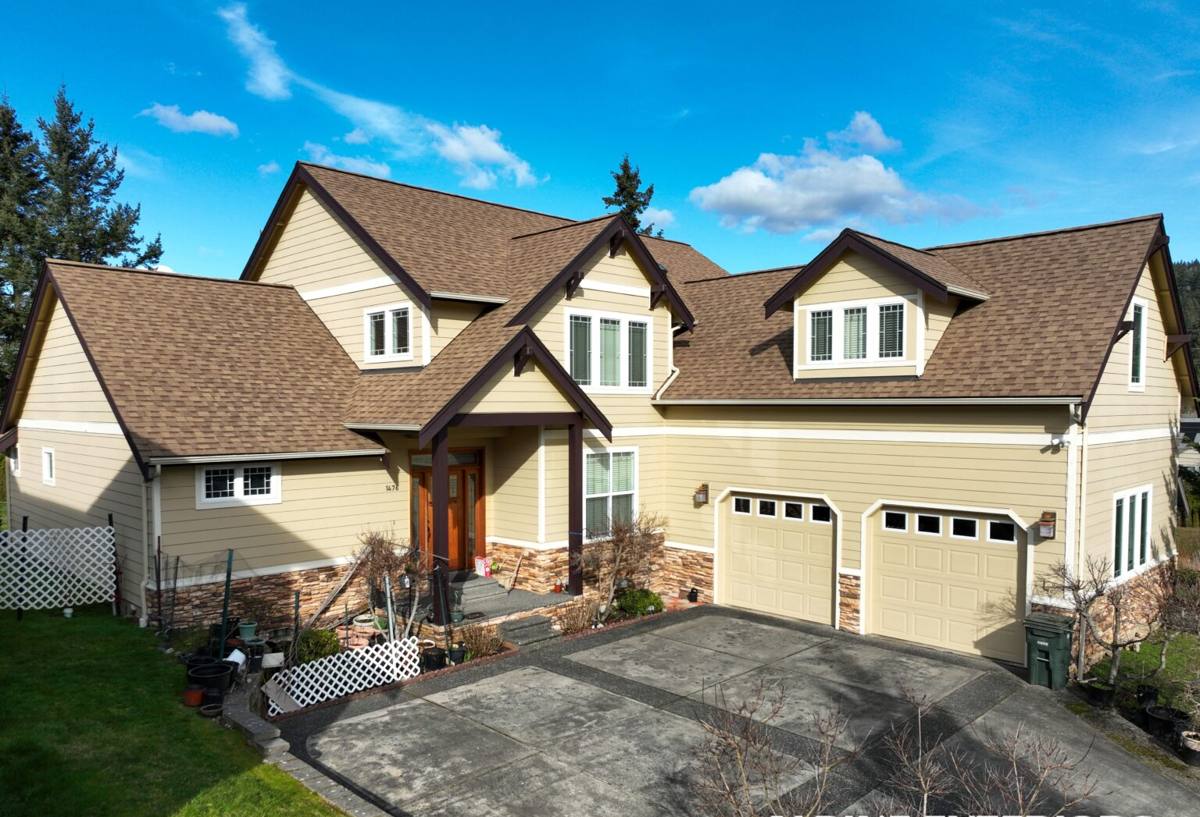
What Local Conditions Actually Do to a Shingle Roof
UV and Heat Cycling
Florida sun is harder on asphalt shingles than most manufacturers' warranty language implies. Constant UV exposure dries out the asphalt binder in shingles over time, making them brittle. Combine that with daily heat cycling — a roof surface can swing more than 50 degrees between early morning and mid-afternoon — and you get granule loss and mat fatigue years ahead of a shingle's rated life if the wrong product or install method was used.
Wind-Driven Rain
It's rarely rain falling straight down that causes leaks here. It's rain being pushed sideways and even slightly upward under shingle edges during thunderstorms and tropical weather. That means sealing details — starter strips, ridge caps, valleys, and flashing — matter more in Zephyrhills than they would somewhere with calmer weather patterns. A shingle roof can look fine from the ground and still be letting water in at these transition points.
Wind Uplift
Pasco County's building code requires roofing systems to meet specific wind uplift standards, and that's not just paperwork — this area sees real wind events most years, not just during named storms. Shingle bonding, nailing pattern, and fastener count all affect whether a roof holds together or loses shingles in a 60-70 mph gust.
Signs Your Roof Needs a Closer Look
Most shingle roof failures in this climate don't happen all at once — they show warning signs first. If you notice any of the following, it's worth having it looked at before it becomes a repair emergency:
- Granules collecting in gutters or at the base of downspouts
- Shingles that look curled, cupped, or have visibly darkened patches
- Missing or lifted shingles after a windy afternoon storm
- Soft spots or discoloration on interior ceilings, especially near valleys or chimneys
- Visible daylight or gaps around flashing at plumbing vents or wall intersections
- A roof approaching or past 15-18 years old with no major work done
- Algae streaking (dark stains, often mistaken for dirt) on north-facing slopes
What a Correctly Installed Roof Involves Here
A proper asphalt shingle installation for this climate isn't just "shingles on plywood." The components underneath and around the shingles do most of the work of keeping a home dry and intact.
Deck Inspection First
Before any shingle goes down, the roof deck needs to be checked for rot, delamination, or soft spots — usually from prior leaks or age. Installing new shingles over a compromised deck is a common shortcut that leads to problems within a few years, regardless of shingle quality.
Underlayment
We use a synthetic or self-adhering underlayment suited to the wind-driven rain conditions here, with extra attention paid to valleys and eaves where water concentrates. This layer is what actually keeps a home dry if wind pushes water under a shingle tab — the shingle is the first line of defense, not the only one.
Fastening and Wind Rating
Nailing pattern and fastener count are matched to the shingle manufacturer's high-wind installation instructions and Pasco County's code requirements, not just the minimum listed on the shingle wrapper. This is one of the most commonly skipped details on lower-cost installs, and it's the difference between shingles that stay put in a storm and ones that don't.
Flashing and Penetrations
Chimneys, plumbing vents, skylights, and wall-to-roof transitions are where the majority of leaks originate — not the open field of the roof. Correct step flashing, counter-flashing, and vent boot replacement (not just reuse of old boots) are standard on every job we do.
Ventilation
Attic ventilation affects both shingle lifespan and cooling costs. A hot, poorly ventilated attic bakes shingles from underneath, accelerating the same UV/heat damage they're already getting from above. We check intake and exhaust balance as part of every roof replacement, not as an upsell.
Our Process
- On-site inspection — we assess the current roof, deck condition, ventilation, and any problem areas specific to your home
- Written estimate — clear scope, materials, and pricing, no vague allowances
- Permitting — pulled through Pasco County/local jurisdiction as required, so the work is inspected and documented
- Tear-off and deck check — old roofing removed, deck inspected and repaired where needed
- Underlayment and flashing — installed to match local wind and rain exposure
- Shingle installation — fastened to manufacturer high-wind specs
- Cleanup and final walkthrough — magnetic sweep for debris, review of the finished work with you
Shingle Options: Cost Factors to Weigh
Most Zephyrhills-area homeowners choose between a couple of asphalt shingle tiers. Here's how they generally compare for this climate:
| Factor | 3-Tab Shingles | Architectural (Laminate) Shingles |
|---|---|---|
| Upfront cost | Lower | Moderate to higher |
| Wind resistance | Lower rated, more vulnerable to uplift | Higher rated in most product lines |
| Expected lifespan in this climate | Shorter, given UV and heat exposure | Longer, thicker mat resists granule loss better |
| Appearance | Flat, uniform look | Dimensional, shadow-line look |
| Algae resistance options | Limited | More widely available |
We generally recommend architectural shingles for this area given the wind and UV exposure, but the right call depends on your budget, how long you plan to stay in the home, and the specific product lines available at the time. We'll walk through the honest trade-offs during your estimate rather than steer you toward the higher-priced option by default.
Algae Resistance and Color Considerations
Florida's humidity supports algae growth on roofs, which shows up as dark streaking, most often on shaded or north-facing slopes. Algae-resistant shingles (with copper-infused granules) resist this longer, though no shingle is permanently immune in a climate this humid. Lighter shingle colors also reflect more heat, which can modestly help with attic temperatures and shingle longevity — worth factoring in alongside the aesthetic you want for the home.
Why a Local Crew Matters for This Job
Asphalt shingle roofing is a common trade, but the details that make it hold up in Zephyrhills' climate are specific to this area. A crew that already works Land O'Lakes and the surrounding Pasco County communities knows the local permitting process, the wind uplift requirements local inspectors check for, and which installation shortcuts tend to fail first in this weather — because we've seen the roofs that failed and the ones that didn't. That's different from a crew passing through the area for one job who's working from a generic playbook.
Being local also means we're reachable after the job is done. If a storm rolls through and you want a roof checked, or a warranty question comes up years later, you're not trying to track down a contractor who's moved on to another state.
Maintenance and Realistic Lifespan Expectations
Even a well-installed asphalt shingle roof in this climate benefits from periodic attention:
- Keep gutters clear so water doesn't back up under eave shingles
- Trim back overhanging branches that drop debris or hold moisture against the roof
- Have the roof looked at after any major wind event, even if nothing looks obviously wrong from the ground
- Address small flashing or sealant issues promptly — they're inexpensive to fix early and expensive once they've caused interior damage
- Expect a properly installed architectural shingle roof in this climate to perform well for a couple of decades with reasonable upkeep, with actual lifespan depending on ventilation, color, and storm history
If your Zephyrhills-area roof is showing wear, due for replacement, or you just want an honest read on its current condition, we're happy to take a look. Request a free, no-pressure estimate using the form below.