 Land O'Lakes Siding
 Building a Deck That Actually Holds Up in Stagecoach Village
A deck in Stagecoach Village lives outside year-round in one of the tougher climates in the country for exterior wood and hardware. Between the intense Florida sun, the humidity that never really goes away, the wind-driven rain that shows up most afternoons in summer, and the occasional hurricane-strength wind event, a deck here is under constant stress. A custom deck built for this neighborhood needs to be designed and built differently than one going up in a drier, milder climate — not just in the decking boards you can see, but in the framing, fasteners, and footings underneath that you can't.
This page covers what actually matters when you're planning a custom deck in Stagecoach Village: the materials that make sense here, what a correctly built substructure looks like, what Pasco County requires before and during construction, and how we run the project from first conversation to final walkthrough.
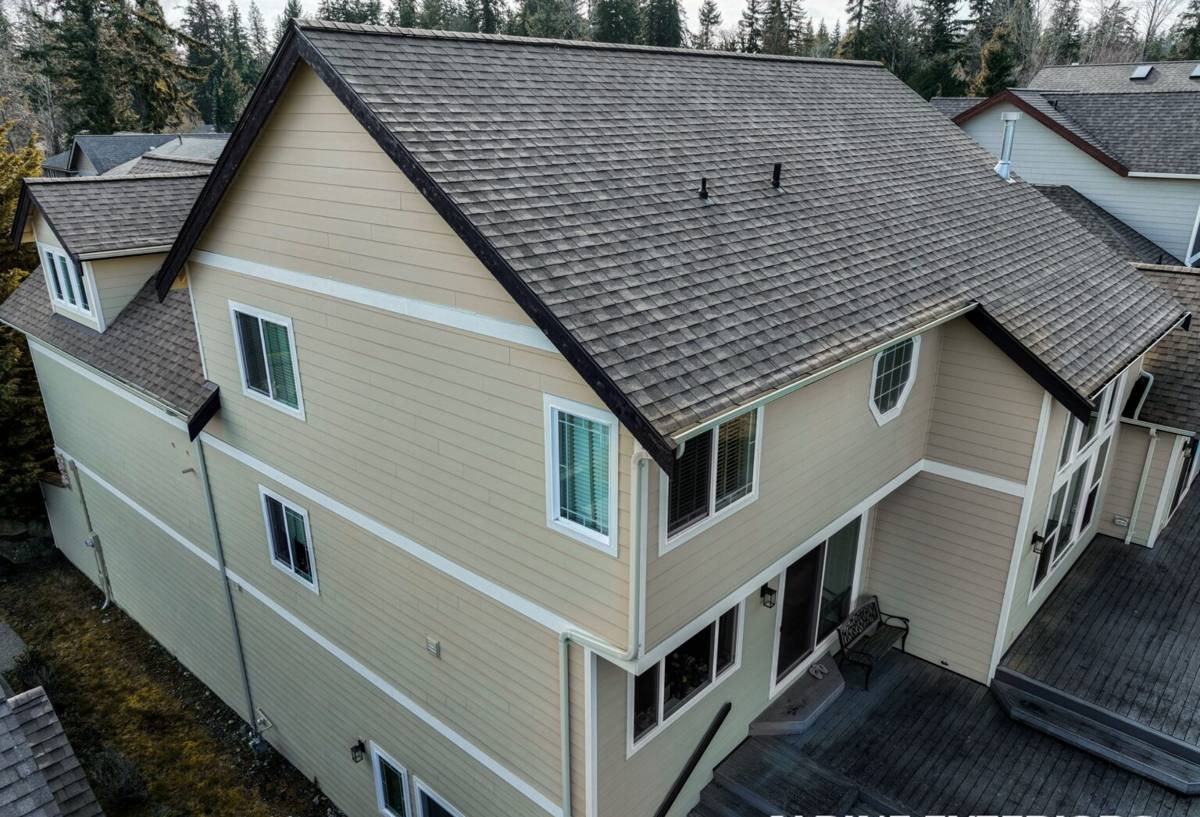
What Land O'Lakes Weather Does to a Deck Over the Years
Most deck problems we get called out to inspect didn't happen overnight. They're the slow result of the same climate factors working on the structure year after year:
- UV exposure: Central Florida gets sun intensity most of the year, and it breaks down the surface of untreated or poorly finished wood, fades color-through in cheaper composites, and dries out sealants and finishes faster than manufacturers' warranties often assume.
- Humidity and moisture cycling: Wood expands and contracts as it absorbs and releases moisture through the day. Over years, that cycling loosens fasteners, opens joints, and is one of the main drivers of warping and cupping in deck boards.
- Wind-driven rain: Rain here rarely falls straight down. It gets pushed sideways into ledger connections, stair stringers, and any gaps in flashing, which is exactly where hidden rot and hardware corrosion start.
- Hurricane-force wind loads: Even when a storm doesn't make direct landfall nearby, Pasco County regularly sees tropical-storm-force gusts. A deck's railing posts, ledger attachment, and footings all need to be sized for uplift and lateral load, not just the static weight of people standing on it.
None of this means a deck can't last decades in Stagecoach Village — it means the design has to account for these forces up front rather than relying on standard, one-size-fits-all construction.
Choosing the Right Decking Material for This Climate
There's no single "best" decking material for every homeowner — it depends on budget, how much upkeep you want to do, and how long you want the deck to look new. Here's how the common options actually perform in Pasco County conditions:
| Material | Moisture Behavior | UV/Fade Resistance | Maintenance | Typical Lifespan Here |
|---|---|---|---|---|
| Pressure-treated pine | Absorbs and releases moisture readily; needs proper sealing to control it | Fades and grays without regular finish | Annual cleaning and re-sealing recommended | 10–15 years with upkeep |
| Tropical hardwoods | Naturally dense and rot-resistant, but still moves with humidity swings | Grays over time unless oiled regularly | Periodic oiling to maintain color and moisture balance | 20+ years with consistent care |
| Capped composite | Doesn't absorb water into the core; resists swelling | Good, but quality varies significantly by brand and cap thickness | Occasional washing, no sealing or staining | 25–30 years |
| PVC decking | Fully closed-cell, essentially unaffected by moisture | Very good; consistent color retention | Lowest maintenance of the group | 25–30+ years |
We install all of these depending on what a homeowner wants, but we're honest about trade-offs. Real wood gives you a natural look and lower upfront cost, but it demands consistent maintenance in this climate to avoid the graying, splintering, and fastener pop that shows up when it's neglected. Composite and PVC cost more up front but remove most of the moisture and UV headaches — the trade-off there is that lower-quality composite products can still fade or feel hot underfoot in direct summer sun, so board quality matters more than the marketing on the packaging.
What's Underneath Matters More Than What's On Top
The decking boards are what you see, but the framing, connections, and footings are what determine whether the deck is still solid in ten or twenty years. This is where we see the most corners cut on older or budget-built decks in the area.
Footings and Posts
Footings need to be sized and set to local frost-free, load-bearing standards for Pasco County soil, not guessed at. Undersized or shallow footings are one of the most common causes of a deck that feels "bouncy" or has started to shift at the posts.
Ledger Board Attachment
The ledger — the board that attaches the deck to the house — is the single most important structural connection on an attached deck, and it's also the point most exposed to wind-driven rain intrusion if it isn't flashed correctly. A proper ledger installation uses correct fasteners, structural flashing, and a water-shedding detail behind it, not just lag bolts and caulk.
Fasteners and Hardware
Florida's combination of humidity and, in some areas, salt-laden air accelerates galvanic corrosion between dissimilar metals. We use fasteners and structural connectors rated for the type of treated lumber or composite substructure being used, and we avoid mixing hardware types that can react with each other over time. This is a small detail that's easy to skip and expensive to fix later, since it usually isn't visible until a connection fails.
Hurricane Ties and Uplift Connections
Beam-to-post and joist-to-beam connections should include appropriate metal connectors sized for wind uplift, not just toe-nailing or basic screws. This is one of the clearest differences between a deck built to hold up through Pasco County's wind events and one that was built to minimum effort.
Permits and Code Requirements for a Stagecoach Village Deck
Most attached and many freestanding decks in Pasco County require a building permit, along with inspections at key stages of construction — typically at footing/framing and again at final completion. Requirements that commonly come up on deck projects in this area include:
- Guardrails required once the deck surface reaches a certain height above grade, generally built to a minimum 36-inch height
- Baluster spacing limited so a 4-inch sphere cannot pass through, for child safety
- Stair rise and run built to consistent, code-compliant dimensions
- Structural connections and footing depth sized to current Florida Building Code wind and load requirements
- HOA design review in some Land O'Lakes communities, separate from the county permit — it's worth checking your community's guidelines before finalizing a design
We handle the permitting and inspection process as part of the build rather than leaving it to the homeowner to navigate. Skipping permits on a deck is a common shortcut on cheaper jobs, and it usually surfaces later as a problem during a home sale or insurance claim, when an unpermitted structure has to be justified or brought up to code after the fact.
How We Approach a Deck Project in Stagecoach Village
The process is straightforward, but we don't skip steps just to move faster:
- On-site consultation: We look at the actual site — grade, drainage, sun exposure, and how the deck will connect to the house — before talking materials or price.
- Design and material selection: We walk through the honest trade-offs between wood, composite, and PVC based on your budget and how much maintenance you actually want to do.
- Permitting: We prepare and submit the permit package to the county and schedule the required inspections.
- Framing and structural work: Footings, posts, beams, joists, and ledger attachment go in first, built to the load and wind requirements for this area — this stage gets inspected before it's covered up.
- Decking, railing, and finish work: Surface boards, railings, stairs, and any trim or skirting are installed once the structure passes inspection.
- Final walkthrough: We go over the finished deck with you, including what maintenance it needs and how to keep any warranty coverage on the materials intact.
Maintenance Checklist for Stagecoach Village Homeowners
Whatever material you choose, a little regular attention goes a long way in this climate. Here's what we recommend checking through the year:
- Rinse pollen, dirt, and organic buildup off the surface every few months — it holds moisture against the boards and can promote mildew
- Inspect fastener heads and railing connections once or twice a year for looseness or corrosion staining
- Check the ledger board area and any flashing after heavy storm seasons for signs of water intrusion
- For wood decks, plan on re-sealing or re-staining on a consistent schedule rather than waiting until it visibly grays
- Keep gutters and downspouts near the deck clear so runoff isn't dumping directly onto or under the structure
- After any major wind event, walk the deck and check post bases, stair stringers, and railings before assuming everything is fine
Mistakes We Commonly See on Older or DIY-Built Decks Here
When we're called out to inspect or repair an existing deck in the Land O'Lakes area, a handful of issues come up again and again:
- Ledger boards attached with lag screws and caulk alone, with no structural flashing behind them
- Footings that are too shallow or undersized for the actual load of the deck
- Mixed metal hardware that has corroded at the connection points
- Railing baluster spacing that wouldn't meet current code
- Decking installed tight against the house siding with no gap, trapping moisture against the wall
- No permit on file, which becomes a real problem during a home sale inspection or insurance review
None of these are exotic problems — they're the result of shortcuts that don't show up as a failure until years later, which is exactly why the framing and connection details matter as much as the visible decking material.
Why Hire a Crew That Already Works in Stagecoach Village
A deck built for a mild, dry climate isn't automatically wrong for Pasco County — it's just incomplete. Knowing how UV, humidity, wind-driven rain, and storm-force wind actually affect a structure here comes from building and repairing decks in this specific area, not from a generic national playbook. That local experience shows up in the footing depth we use, the fastener types we choose, how we detail the ledger connection, and how we size framing for wind uplift — details that don't show up in a sales brochure but absolutely show up in how the deck holds up ten or fifteen years from now.
If you're planning a new custom deck or replacing an aging one in Stagecoach Village, we're happy to come take a look and give you a straight, no-pressure assessment of what your project actually needs. Fill out the form below to request a free estimate.