 Land O'Lakes Siding
 Board & Batten Siding: A Distinctive Look With Real Technical Demands
Board and batten siding stands out in Stagecoach Village for good reason. The vertical lines read as clean, modern, and a little more custom than the wide horizontal lap siding on most of the surrounding streets. It works on a full exterior, as an accent on a gable or porch, or mixed with lap siding to break up a large elevation. But the look is only half the story. Board and batten is a different installation system than lap siding — more seams, more fasteners, more places where water can find its way behind the cladding if the details aren't handled correctly. In a neighborhood that sees the full range of Central Florida weather, that difference matters more than most homeowners realize when they're just comparing photos.
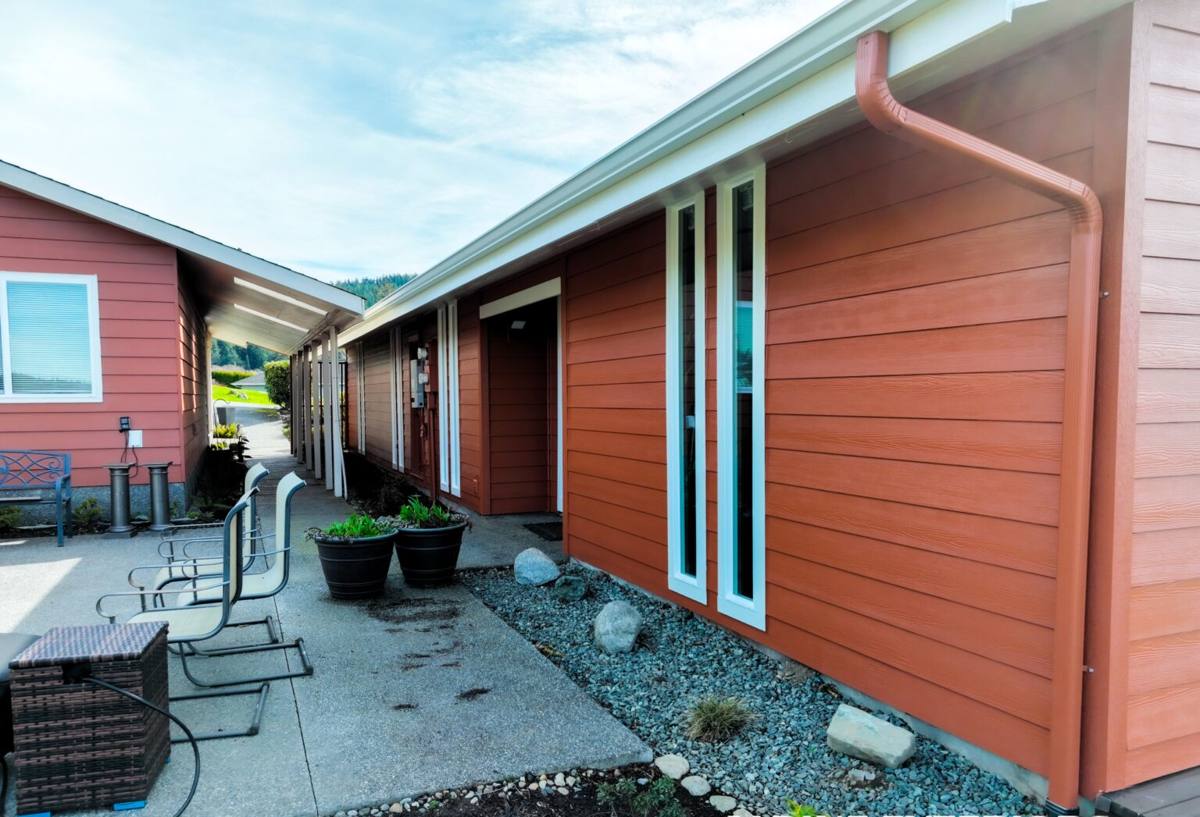
What Stagecoach Village Homes Are Up Against
Land O'Lakes sits inland from the Gulf, but "inland" in Pasco County still means real exposure. Summer storms bring wind-driven rain that hits siding sideways, not straight down, which is exactly the condition board and batten's vertical joints and batten strips are most vulnerable to if they weren't sealed and fastened to spec. Hurricane season adds sustained wind loads and gusts that test every fastener and every panel edge, and during larger storm systems that wind can carry a measure of salt-laden air well inland from the coast, adding a slow corrosive element to anything on the wall that isn't rated for it. Layer in year-round, high-angle Florida sun, and you get UV exposure that will chalk, fade, or degrade lower-grade materials faster than homeowners expect.
None of this makes board and batten a bad choice for this neighborhood. It makes the installation quality — and the material underneath the finish — the whole ballgame.
Why This Matters More for Vertical Siding Specifically
Lap siding sheds water downward by design, course over course. Board and batten relies on the battens themselves, and the caulking and flashing details behind them, to keep water out of the vertical joints. That's a fundamentally different set of failure points, and it's why a crew's experience with this specific siding style — not just siding in general — is worth asking about before you sign a contract.
Where Board & Batten Jobs Typically Fail
Most board and batten problems we get called out to inspect trace back to the same handful of causes, and almost none of them are the fault of the siding material itself:
- Battens fastened directly through both layers into sheathing without proper backing, which restricts the natural expansion and contraction of fiber cement and can cause cracking at the fastener line over time.
- Missing or undersized weather-resistive barrier and flashing behind panel seams, so wind-driven rain that gets past the batten has nowhere to drain.
- Panels butted tight with no expansion gap, which looks fine on installation day and starts buckling or cracking once Florida's heat and humidity cycle the material through its seasonal expansion.
- Caulk used as the primary water seal instead of correct flashing and lap sequencing — caulk is maintenance, not waterproofing, and it's the first thing UV and heat break down.
- Fastener spacing and placement that doesn't match manufacturer specification, which shows up years later as loose boards or nail pops after enough wind cycles.
Every one of these is a workmanship issue, not a design flaw in board and batten as a siding style. That's exactly why we treat the installation crew as the deciding factor, not the aesthetic.
The James Hardie Board & Batten Systems We Install
We install James Hardie fiber cement exclusively — we don't offer vinyl board and batten, engineered wood panels, or primed spruce boards, and we're upfront about why. Vinyl board and batten can warp and fade under sustained Florida UV and doesn't hold up structurally to the wind loads this area sees in a bad storm season. Wood-based panel products are more sensitive to moisture intrusion at the exact joints board and batten depends on, which means a higher long-term maintenance burden in a humid climate. Fiber cement doesn't share those weaknesses.
For Stagecoach Village, that generally means HardiePanel vertical siding paired with Hardie battens, finished in the ColorPlus factory-applied finish rather than field-applied paint. A few things about that combination are worth knowing:
- Hardie's fiber cement is non-combustible and dimensionally engineered to resist the expansion and contraction that cracks lesser materials in this climate.
- ColorPlus finish is baked on at the factory under controlled conditions, which gives it better fade and chip resistance than a job-site paint job, and it carries its own finish warranty separate from the substrate warranty.
- Hardie engineers its HZ5 product line for the Southeast's humidity and moisture exposure specifically, rather than using a single national formulation for every climate zone.
- The transferable limited warranty is a real asset if you sell the home — something vinyl and engineered wood products generally can't match in structure or length.
None of that replaces correct installation. It's the foundation a correct installation is built on.
What a Correct Installation Involves
Before the First Panel Goes Up
A proper board and batten job starts with the wall, not the siding. That means confirming the sheathing is sound, installing or verifying a continuous weather-resistive barrier, and flashing every penetration, window, and door opening before any cladding touches the wall. Skipping this step is invisible on installation day and expensive to discover later.
Panel and Batten Installation
Panels get installed with manufacturer-specified expansion gaps, correct fastener type and spacing driven into structural framing (not just sheathing), and battens placed to cover seams with enough overlap to shed wind-driven rain rather than trap it. Fastener heads get set flush, not overdriven, which is a small detail that has a real effect on long-term crack resistance.
Finishing Details
Corners, trim, and transitions to other siding types or masonry get flashed and sealed according to Hardie's published installation guidelines — not general best practice, the manufacturer's specific instructions, which is also what keeps the product warranty intact. This is a step some lower-bid installers shortcut, and it's usually the first place trouble shows up.
Our Process, Built Around This Neighborhood
Working in and around Stagecoach Village repeatedly means we're not learning the neighborhood's housing stock, HOA aesthetic expectations, or common exposure conditions on your project — we already know them. Our process for a board and batten job here runs the same way every time:
- An on-site inspection of the current siding, sheathing condition, and any moisture or wind damage history on the home.
- A written scope that specifies the Hardie product line, panel and batten spacing, fastening pattern, and flashing detail — not a vague "siding replacement" line item.
- Confirmation of color and profile against Pasco County permitting and any HOA architectural guidelines that apply to your street.
- Installation to James Hardie's published specifications, including expansion gaps and correct fastener placement into framing.
- A final walkthrough where we show you the finished caulk lines, corners, and flashing details before we consider the job done.
Why Local Experience in This Neighborhood Matters
A crew that's worked other homes in Stagecoach Village has already seen how the local wind exposure, tree cover, and sun orientation on these lots tend to age siding, which shapes decisions like batten spacing, ventilation behind the cladding, and where extra flashing attention pays off. They also already understand the practical realities of scheduling around Florida's wet season and the permitting expectations in Land O'Lakes and Pasco County, so there are fewer surprises mid-project. That familiarity doesn't show up as a line item on a quote, but it shows up in how few problems come up once the job is underway.
What Drives the Cost
Board and batten typically costs somewhat more than standard lap siding to install, mainly because of the extra material (battens) and extra labor time per square foot. The real range for any given home depends on several factors:
| Cost Factor | Why It Matters |
|---|---|
| Wall prep and sheathing condition | Repairs needed before siding can go up add labor and material cost that isn't visible in a basic per-square-foot quote. |
| Panel and batten spacing chosen | Tighter batten spacing uses more material and more fastening labor than wider spacing. |
| Home height and roofline complexity | Multi-story walls, steep rooflines, and lots of corners or trim transitions increase labor time. |
| Full-exterior vs. accent application | Board and batten used only on a gable or porch accent costs far less than a full-home application. |
| ColorPlus finish vs. field paint | Factory-applied ColorPlus costs more upfront than field-painted primed panels but avoids a repaint cycle for years. |
We give every homeowner a written estimate that breaks these factors out, rather than a single number with no explanation behind it.
Keeping Your Board & Batten Siding Looking Right
Fiber cement board and batten is low-maintenance compared to wood, but "low-maintenance" isn't "no-maintenance" in this climate. A short seasonal checklist keeps it performing the way it was installed to:
- Rinse the siding periodically to clear pollen, salt residue, and grime buildup, especially after storm systems.
- Walk the exterior after major wind events and look for loose battens, cracked caulk lines, or panel movement.
- Check caulking at trim, corners, and penetrations annually and re-caulk before a small gap becomes a water path.
- Keep sprinkler heads and heavy landscaping from spraying or pressing directly against the base of the siding.
- Address any impact damage or chipped finish promptly rather than letting exposed substrate sit through a rainy season.
If you're weighing board and batten siding for a home in Stagecoach Village, we're glad to walk your property, look at your current siding or sheathing, and give you a straightforward, no-pressure estimate — no fake urgency, just an honest look at what your home needs. Use the form below to get started.