 Land O'Lakes Siding
 Siding Repair for Odessa Homes Near Land O'Lakes
Odessa sits in that stretch of unincorporated Pasco County where older ranch homes, newer subdivisions, and horse-country lots all sit within a few miles of each other. What they share is exposure to the same central Florida weather pattern: long stretches of intense UV, summer storms that can turn into hurricane-force wind events with almost no warning, and humidity that never really goes away. Siding takes the brunt of all of it, and repair work here has to account for conditions that a mild-climate installer simply doesn't design for.
This page covers siding repair specifically — not full replacement, not a general overview of exterior work. If you've got a cracked panel, a soft spot near a window, or damage from the last round of storms, this is what an honest, correctly done repair looks like in the Odessa area.
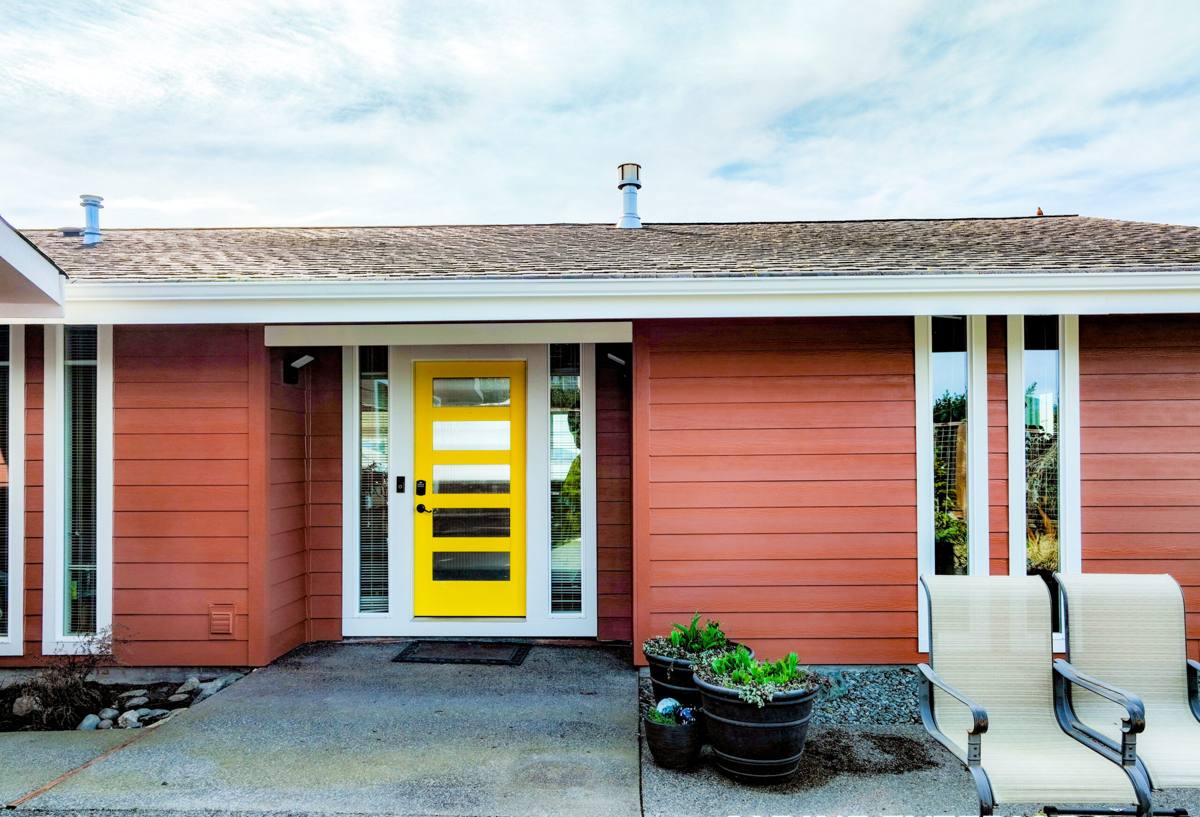
Why Siding Fails Faster Here Than in Other Parts of the Country
Siding damage in this part of Pasco County almost always traces back to one of a few repeatable causes:
Wind-Driven Rain
It's rarely straight-down rain that causes the real damage — it's rain pushed sideways and upward by wind, which finds its way behind panels through gaps, poor caulking, or loose fasteners. Once water gets behind siding, it doesn't dry out quickly in Florida's humidity, and that's when rot and mold set in on whatever is underneath.
Year-Round UV Exposure
Florida sun is harder on exterior materials than most of the country ever deals with. Paint chalks and fades, caulking dries out and cracks, and lower-grade siding materials can warp or become brittle over years of direct sun, especially on south- and west-facing walls.
Storm and Wind Events
Odessa doesn't need a named hurricane to see damage — a strong summer thunderstorm cell with straight-line winds can crack panels, pop fasteners loose, or peel a section away from the wall. Homes near open lots or with mature trees nearby also deal with debris impact.
Humidity and Moisture Cycling
Even without a storm, the constant humidity swings put stress on siding and the materials behind it. Wood-based products in particular expand and contract with moisture, which loosens fasteners and opens seams over time.
Signs Your Siding Needs Repair, Not Just a Look
Some damage is obvious. A lot of it isn't, until it's expensive. Here's what we tell Odessa homeowners to check for, especially after storm season or if the home is more than a decade old:
- Cracked, split, or missing sections of siding, especially near corners and window trim
- Soft or spongy spots when you press on the siding by hand
- Visible gaps, buckling, or panels that have pulled away from the wall
- Peeling or bubbling paint concentrated in one area, which often signals moisture underneath
- Dark streaking, staining, or a musty smell near an exterior wall from the inside
- Cracked or missing caulking around windows, doors, and siding seams
- Visible warping or discoloration, particularly on materials that aren't fiber cement
Any one of these on its own might be minor. Several showing up in the same area of the house usually means water has been getting behind the siding for a while.
Repair or Replace? How to Think About It
Not every damaged section needs a full re-side, and not every repair is worth doing instead of replacing a wall's worth of siding. The right call depends on how much damage there is, what's causing it, and what condition the material underneath is in.
| Factor | Repair Usually Makes Sense | Replacement Should Be Considered |
|---|---|---|
| Extent of damage | Isolated to one or two sections | Spread across multiple walls or the whole house |
| Underlying sheathing | Dry and structurally sound | Soft, rotted, or water-damaged |
| Age of existing siding | Under 15-20 years, still holding up otherwise | Near or past its expected service life |
| Cause of damage | One-time storm event or impact | Ongoing moisture problem or systemic installation flaw |
| Material match | Product is still available or a close match exists | Discontinued product with no reasonable match |
We'll always give you a straight answer on which side of that table your home falls on. A repair that's patched over rotted sheathing isn't a repair that lasts — it's a repair that fails again in a year or two.
What a Correct Siding Repair Actually Involves
A repair that's done right isn't just swapping a broken panel for a new one. It's a short diagnostic and rebuild process:
1. Find the Real Cause, Not Just the Symptom
Cracked siding is the visible problem. The real question is why it cracked — impact damage, a fastening issue, trapped moisture, or age and UV breakdown. Fixing the panel without addressing the cause just means a repeat visit later.
2. Check What's Behind the Siding
Once a damaged section is removed, we inspect the water-resistive barrier, flashing, and sheathing underneath. In Pasco County's humidity, any trapped moisture back there needs to be dealt with before new siding goes back on — covering over a damp wall cavity just hides the problem temporarily.
3. Match the Material and the Reveal
New panels need to match the existing siding's profile, reveal (the exposed width of each course), and finish as closely as possible. On James Hardie ColorPlus siding, this also means matching the factory finish so a repaired section doesn't stand out as an obvious patch.
4. Correct Fastening and Sealing
Fasteners need to hit framing, not just sheathing, and be set to the manufacturer's spec — not overdriven, not underdriven. Seams, joints, and any penetrations get properly sealed and flashed so wind-driven rain has nowhere to get behind the new work.
5. Final Inspection for Wind and Water Resistance
The last step is checking that the repaired section performs the same as the surrounding siding — sealed, secured, and ready for the next storm, not just cosmetically fixed.
Why We Only Work With James Hardie Fiber Cement
When we're called out for a repair on vinyl, LP SmartSide, or a primed wood product, we'll still give you an honest assessment and, where it's a reasonable fix, we'll do it. But we install and recommend only James Hardie fiber cement siding, and it's worth explaining why, especially in a climate like this one.
Vinyl siding can soften, warp, or crack under sustained heat and UV, and it doesn't hold up well to wind-driven debris. Wood-based composite products like LP SmartSide are engineered to resist moisture, but they're still wood at the core — if water gets past a seam or a damaged edge, the material can swell and deteriorate from the inside out, which is a much harder problem to repair cleanly. Primed wood and cedar require ongoing paint and sealant maintenance that most homeowners don't keep up with, and in Florida's humidity, gaps in that maintenance show up fast.
James Hardie fiber cement is non-combustible, doesn't warp or rot the way wood-based products can, and holds its ColorPlus factory finish far longer under constant UV than field-applied paint. It's engineered in HZ5 product lines built for the exact combination of heat, humidity, and storm exposure that Pasco County homes deal with every year. That doesn't mean it's maintenance-free or damage-proof — no siding is — but when it does need repair, the fix is straightforward, the material is stable, and it's backed by a strong transferable warranty when installed to spec.
Our Repair Process
For an Odessa siding repair call, our process is straightforward:
- On-site inspection of the damaged area and a check of the surrounding siding and trim for related issues
- Assessment of what's underneath once any damaged panels are removed, including sheathing and moisture barrier condition
- A clear, honest recommendation — repair or replace that section — with the reasoning explained
- Material sourcing to match your existing siding's profile and finish as closely as possible
- Repair completed with proper fastening, flashing, and sealing to current manufacturer standards
- Final walkthrough so you can see the work before we consider the job done
Why a Crew That Already Works Odessa Matters
Siding repair isn't just a swap-the-panel job — it's a job that depends on understanding how a specific area's weather and building patterns interact with the materials on the wall. A crew that regularly works in and around Land O'Lakes and Odessa already knows what typical Pasco County construction looks like on homes of different ages, what kind of storm exposure this part of the county sees compared to closer to the coast, and how humidity plays out differently on a shaded, tree-lined lot versus an open one.
That local familiarity also means faster, more accurate estimates, fewer surprises once the wall is opened up, and a crew that isn't learning the area's quirks on your dime. It also means someone is actually available when storm season backs up repair schedules across the region — being local to this side of the county, not just willing to make the drive once, is worth something when you need a repair done before the next system rolls through.
Keeping Repaired Siding Protected Going Forward
Once a repair is done, a little upkeep goes a long way in this climate:
- Rinse siding periodically to clear salt air residue, pollen, and grime buildup
- Re-inspect caulking around windows, doors, and seams annually, since Florida sun breaks it down faster than in milder climates
- Walk the exterior after any significant storm to catch new damage early, before it becomes a moisture problem
- Keep an eye on areas near sprinklers or dense landscaping, where consistent moisture exposure is highest
If you've got damaged siding on an Odessa-area home, or you're not sure whether what you're looking at is a simple repair or something bigger, we're glad to take a look. Reach out for a free, no-pressure estimate using the form below.