 Land O'Lakes Siding
 New-Construction Windows Are a Different Job Than Replacement Windows
When people hear "window installation," they usually picture a replacement job — pulling an old window out of a finished wall and dropping a new one into the existing opening. New-construction windows are a different process entirely. These units have a nailing fin (sometimes called a nailing flange) built around the frame, and they get installed into a rough opening before the exterior wall covering — siding, stucco, or brick veneer — goes on. The fin gets nailed directly to the sheathing, then flashed and integrated into the home's water-resistive barrier before anything else closes it in.
That difference matters because it changes where the real risk lives. On a replacement job, most of the water-management work was already done decades ago by whoever built the house. On a new-construction install, your crew is building that water-management system from scratch — the flashing sequence, the sill pan, the sealant joints, the tie-in to the house wrap. Get that wrong and the mistake gets buried behind the wall, where it won't show up as a problem until years later.
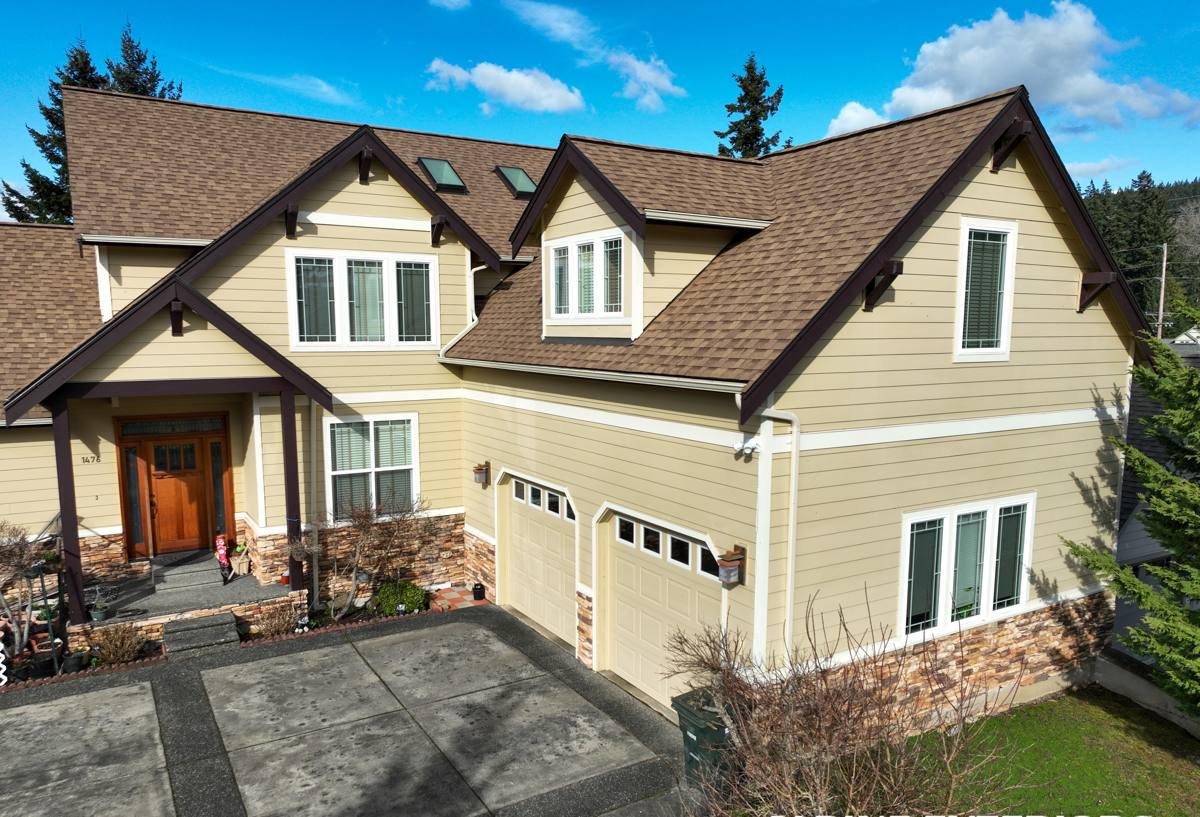
What Suncoast Meadows Homes Need From Their Windows
Suncoast Meadows sits in Land O'Lakes, in Pasco County, and homes here deal with a specific combination of stresses that a lot of window buying guides never mention. Summer thunderstorms bring sideways, wind-driven rain almost daily for months at a time. Hurricane season brings sustained wind loads and windborne debris risk. Year-round, the sun is intense enough to degrade cheap frame materials, seals, and glass coatings faster than in most of the country. And even well inland from the coast, Gulf breezes carry enough salt content to accelerate corrosion on hardware and fasteners that weren't rated for it.
None of these factors are unique to Suncoast Meadows specifically, but together they mean a window package that works fine in a drier, calmer climate can underperform here — chalking, hazing, seal failure, or water intrusion showing up years earlier than it should. New-construction windows installed for this neighborhood need to be selected and installed with that whole combination in mind, not just whichever product happens to be cheapest at the supply house.
The Four Climate Factors, Plainly
- Wind: Frames and anchoring need to hold up to sustained hurricane-force loads, not just meet a bare minimum.
- UV: Frame material, glass coatings, and exterior sealants all age faster under Florida sun — cheap materials show it first.
- Wind-driven rain: Flashing and sill pan detailing have to shed water that's being pushed sideways and upward, not just falling straight down.
- Salt air: Fasteners and hardware need corrosion resistance even at inland distances from the Gulf.
Wind Load, Impact Ratings, and Florida Building Code
Pasco County enforces the Florida Building Code, which sets minimum wind-load and, in many cases, impact-resistance requirements for windows based on the home's wind zone, exposure category, and height. New-construction windows installed in Land O'Lakes need a Florida Product Approval or Miami-Dade NOA (Notice of Acceptance) rating that matches the specific design pressures for that lot and elevation — not just a generic "hurricane rated" label on the box.
Impact-Resistant Glass vs. Shutters
Homeowners in Suncoast Meadows generally have two paths to meeting the county's opening-protection requirement: impact-rated glass built into the window itself, or code-compliant shutters or panels installed separately. Impact glass costs more up front but means no scrambling to install protection before a storm, no exterior hardware to maintain, and typically better sound and UV performance day-to-day. Shutters cost less initially but require storage, physical installation time before every storm, and ongoing hardware maintenance. Neither choice is wrong — it's a real trade-off between upfront cost and long-term convenience, and we'll walk through both honestly based on your budget and the specific openings on your home.
Egress and Life-Safety Requirements
Bedroom windows in new construction also have to meet egress code — minimum clear opening width, height, and sill height above the finished floor, so the opening can serve as a fire escape route. This gets checked during framing and again at final inspection, and it's one more reason window selection has to happen with the actual floor plan in hand, not off a generic spec sheet.
What a Correct New-Construction Window Installation Involves
Rough Opening Prep and Flashing
Before a window ever goes in, the rough opening gets checked for square, level, and correct dimensions. A sill pan flashing goes in first — this is what catches and directs out any water that gets past the window itself, which happens more often than people assume in wind-driven rain. The house wrap or building paper gets integrated with the window flange in the correct shingle-lap sequence, so water draining down the wall is always directed over the top of each flashing layer below it, never behind it.
Fastening and Sealant
The nailing fin gets fastened per the manufacturer's and the product approval's specific pattern — spacing and fastener type aren't optional details, they're part of what the wind-load rating is based on. Sealant goes at the specific joints the manufacturer calls for, using a product compatible with both the window frame material and Florida's UV exposure. Sealing everything, or sealing the wrong joints, can actually trap water inside the wall assembly instead of letting it drain — more sealant is not automatically better.
Tie-In to Siding or Stucco
Once the window is set and flashed, the exterior finish — siding, stucco, or trim — has to be integrated around it correctly, maintaining the drainage plane the whole way. This is where new-construction work and our core siding trade overlap directly, and it's a big reason we handle both under one crew instead of handing this transition off to a separate sub who's never seen the rest of the wall assembly.
Frame Material Comparison for New Construction
There's no single "best" frame material for every home — it depends on budget, the home's style, and how much long-term maintenance you want to take on. Here's an honest comparison of the three most common options for new-construction windows in this area.
| Frame Material | Upfront Cost | UV/Salt Air Durability | Maintenance |
|---|---|---|---|
| Vinyl | Lowest | Good with quality UV-stabilized formulations; lower-grade vinyl can chalk or warp over time | Low — no painting, occasional cleaning |
| Aluminum | Moderate | Strong structurally; needs corrosion-resistant hardware and coatings near salt-influenced air | Low to moderate — check fasteners and finish periodically |
| Fiberglass | Highest | Excellent — very stable under heat and UV, minimal expansion/contraction | Low — most durable long-term option |
For most Suncoast Meadows new-construction and major renovation projects, quality vinyl or fiberglass hits the best balance of storm performance and long-term durability for the money. We'll go over actual product lines and pricing once we know your openings and budget — broad comparisons like this one are a starting point, not a final answer.
Our Process for New-Construction Window Projects
- Consultation and measurement: We walk the plans or the framed openings in person, not off a set of blueprints alone, and confirm wind zone and impact requirements for the specific lot.
- Product selection: We go over frame material, glass package, and impact-protection options with real trade-offs explained, not a one-size answer.
- Ordering and lead time: Impact-rated and custom-sized units often carry longer lead times than stock replacement windows — we build that into the schedule up front so it doesn't hold up the build.
- Coordination with the builder or GC: On new-construction and major renovation jobs, window installation has to line up with framing, house wrap, and siding schedules. We coordinate directly so nothing gets installed out of sequence.
- Installation: Flashing, fastening, and sealant work performed to manufacturer specification and Florida Building Code, by the same crew doing the surrounding exterior work.
- Final walkthrough and inspection: We confirm operation, sealing, and code compliance before signing off, ahead of the county's final inspection.
Questions Worth Asking Any Contractor Before You Hire Them
- Do you pull the required Pasco County permits yourself, or is that on me?
- What's the Florida Product Approval or NOA number for the windows you're quoting, and does it match my wind zone?
- Who does the flashing and sealant work — your crew, or a sub you don't directly supervise?
- Can you walk me through the sill pan and flashing sequence you use, in plain terms?
- What's your plan if a lead-time delay affects the build schedule?
Why Hiring a Crew That Already Works in Suncoast Meadows Matters
New-construction window work isn't just a product installation — it's a coordination job. A crew that's already worked in Suncoast Meadows and elsewhere around Land O'Lakes knows the county's permitting and inspection process, has a working relationship with local building officials, and understands how HOA or architectural guidelines in newer Pasco County communities can affect exterior appearance choices like trim and frame color. That familiarity saves real time on a build schedule, where a permitting delay or a failed inspection can hold up every other trade waiting behind the window install.
It also means fewer surprises. A contractor unfamiliar with local wind zones, soil conditions, or common framing practices in this area is more likely to spec the wrong product approval or miss a detail that a local inspector will flag. We've built our process around what actually gets approved and holds up here, not around a generic national playbook.
Maintenance and Long-Term Performance
Once new-construction windows are in, upkeep in this climate is straightforward but shouldn't be skipped. Rinse frames and tracks periodically to clear salt residue and pollen buildup. Check exterior sealant joints once a year for cracking or separation, especially after a heavy storm season. Keep an eye on weep holes at the bottom of the frame — these let trapped water drain out and are easy to accidentally block with mulch, paint, or debris during landscaping or exterior work. A properly installed window with the right materials for this climate should give you decades of service with minimal attention beyond that.
If you're building or doing a major renovation in Suncoast Meadows and want windows specified and installed correctly the first time, we're happy to walk your plans or framed openings and give you a straightforward, no-pressure estimate — just fill out the form below.