 Land O'Lakes Siding
 Deck Building for Del Webb Bexley Homes
Del Webb Bexley is an active adult community, and most of the homes here share a common trait: they were built for outdoor living. Covered lanais, pool areas, and space to entertain are part of the appeal of buying in this part of Land O'Lakes. A well-built deck extends that outdoor living space further — a place for morning coffee, a grill setup, a shaded sitting area, or a transition between the pool and the yard. But a deck in this community has to be built for Florida conditions from the ground up, not adapted from a design meant for a milder climate.
We build decks specifically for homes in this part of Pasco County, and we've learned what holds up here and what doesn't. This page covers what a deck built for Del Webb Bexley actually needs, how our process works, and what to expect from HOA review to final walkthrough.
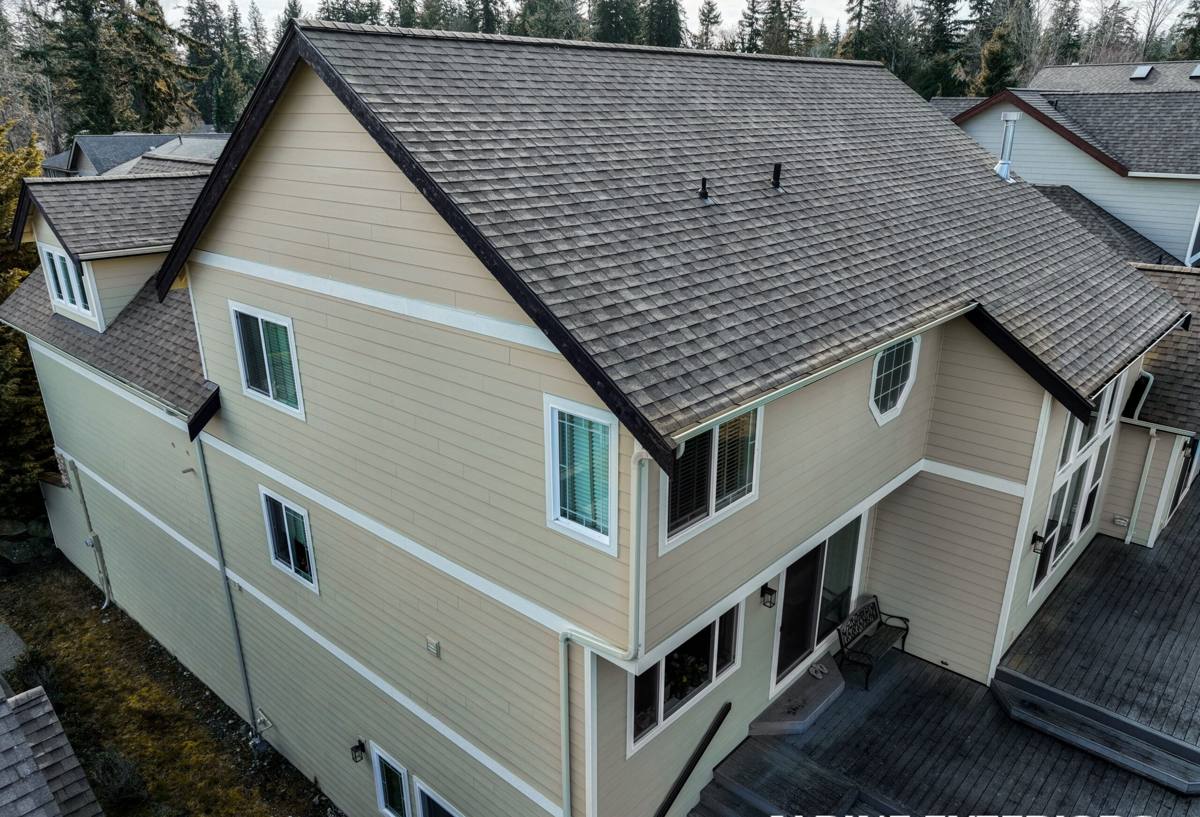
What Land O'Lakes Weather Does to a Deck
Florida decks age differently than decks almost anywhere else in the country, and it's worth understanding why before you pick materials or a contractor.
UV Exposure
Land O'Lakes sees strong, direct sun for most of the year. UV breaks down wood fibers, dries out finishes, and fades color on any decking material — wood or composite. A deck built without this in mind will look tired within a couple of seasons, regardless of how good the installation was.
Wind-Driven Rain and Humidity
Afternoon storms are a fact of life here, and the rain rarely falls straight down — it comes in at an angle, driven by wind, and it soaks into any gap or seam that wasn't sealed correctly. Combined with Pasco County's humidity, that moisture doesn't evaporate quickly. Fasteners corrode, wood swells and shrinks, and improperly flashed ledger boards trap water against the house.
Hurricane-Force Wind Loads
Any structure attached to a home in this region needs to be engineered for wind uplift and lateral loads, not just vertical weight. A deck that only accounts for people standing on it, and not wind pushing on the railings and structure, is a deck that's more likely to fail during a storm.
Salt-Tinged Air
Land O'Lakes is inland, but Gulf-influenced air still moves through this part of Tampa Bay, and it carries enough salt content to accelerate corrosion on lower-grade fasteners and hardware over time. It's a slower effect than what coastal homes deal with, but it adds up over the life of a deck built with the wrong materials.
Choosing the Right Decking Material
There's no single "best" decking material for every homeowner — it depends on budget, how much upkeep you want to do, and how long you plan to be in the home. Here's how the common options actually perform in this climate.
| Material | Upfront Cost | Maintenance | How It Handles Florida Climate |
|---|---|---|---|
| Pressure-Treated Wood | Lowest | Annual sealing/staining recommended | Prone to cupping, splintering, and fastener staining if not resealed regularly; UV fades it quickly without upkeep |
| Capped Composite | Mid to High | Occasional washing, no sealing/staining | Resists moisture absorption and UV fading well; performs consistently through humidity swings |
| Uncapped Composite | Mid | Low, but more susceptible to staining/moisture than capped | Better than wood but can absorb moisture at cut edges if not properly sealed during install |
| PVC Decking | Highest | Lowest — no sealing, resists staining | Fully synthetic, doesn't absorb water, very stable in heat and humidity, but can run hotter underfoot in direct sun |
Whichever material you choose, we won't cut corners on the parts nobody sees — the framing, fasteners, and flashing matter more to a deck's lifespan here than the decking surface itself. We'll walk you through the honest tradeoffs of each option based on your budget and how you plan to use the space, rather than pushing whatever has the best margin.
Framing and Structure: Where Florida Decks Actually Fail
Most deck failures we see in this region aren't decking-surface problems — they're structural problems that took a few years to show up.
The Ledger Board Connection
This is where the deck attaches to the house, and it's the single most common point of water intrusion if it isn't flashed correctly. Done right, it includes proper flashing that directs water away from the home's structure rather than letting it wick into the rim joist. Done wrong, it's one of the more expensive things to repair because the damage happens behind the decking, out of sight.
Footings and Post Anchors
Footings need to be sized and set to the depth local code requires, not just "deep enough to look solid." Post bases should be metal connectors rated for the load, set above grade so the post itself never sits in standing water after a heavy rain.
Hardware and Fasteners
Standard fasteners corrode fast in this climate. We use stainless steel or coated fasteners rated for ground-contact and coastal-influenced environments, along with corrosion-resistant structural connectors at every load point — joist hangers, hurricane ties, and post anchors included.
Permits and Del Webb Bexley's Community Standards
Pasco County Permitting
Deck construction in unincorporated Pasco County requires a building permit, and inspections at key stages of the build. This isn't optional paperwork — it's what confirms the structure meets wind load and safety code for this area. We handle the permit application and coordinate inspections as part of the job.
HOA and Architectural Review
Del Webb Bexley, like most planned communities, has an architectural review process for exterior additions. Materials, color, and placement typically need approval before construction starts. We build the submission package — drawings, material specs, and placement details — so it's ready to go through your community's review process without back-and-forth delays. Skipping this step, or hiring a crew that doesn't know it exists, is one of the most common ways homeowners end up with a deck they have to modify or remove after the fact.
Railings, Stairs, and Code Requirements
Any deck above a certain height needs code-compliant railings, and there are specific requirements around railing height, baluster spacing, and stair geometry that aren't optional design choices — they're safety code. This matters even more in an active adult community where residents and guests span a wide range of mobility and balance. We build railings and stairs to meet code as a baseline, and can talk through options like wider stair treads, handrail placement, or added lighting if that's a priority for your household.
Our Deck Building Process
- On-site consultation — we look at your yard, discuss how you'll use the space, and talk through material options and rough budget.
- Design and layout — sizing, footprint, and structure are planned around your home's elevation and drainage.
- HOA submission — we prepare and submit the paperwork your Del Webb Bexley architectural review requires.
- Permitting — we pull the required Pasco County permit before any construction begins.
- Construction — footings, framing, decking, and railings, built in that order with inspections at the required stages.
- Final walkthrough — we go over the finished deck with you, including care and maintenance guidance specific to the material you chose.
What a Properly Built Deck Should Have
- Flashed ledger board connection, not just lag-bolted directly to the house
- Footings set to required depth for this soil and code zone
- Stainless or coated corrosion-resistant fasteners throughout
- Hurricane ties or equivalent connectors at structural load points
- Code-compliant railing height and baluster spacing
- Proper drainage/slope so water doesn't pool on the decking surface
- A materials list and layout that already matches HOA-approved specifications
Maintenance After the Build
Even low-maintenance materials benefit from a periodic check in this climate. Wood decking needs resealing on a regular schedule to keep UV and moisture from breaking it down. Composite and PVC need far less attention, but it's still worth rinsing off pollen, debris, and mildew buildup a few times a year and checking that fasteners and connections haven't loosened after storm season. We'll give you a maintenance rundown specific to whatever material you choose so there are no surprises a few years in.
Why Hire a Crew That Already Works in Del Webb Bexley
Building a deck here isn't just a construction question — it's a logistics and approval question, too. A contractor who already understands the Del Webb Bexley architectural review process, knows what Pasco County inspectors expect, and has already worked within this community's layout and HOA guidelines will move your project through the approval and build process with far fewer delays than a crew learning the community for the first time on your job. It also means fewer surprises: we know which structural details matter most for homes built to this community's specs, and we build to that standard from day one rather than fixing it later.
If you're considering a deck for your Del Webb Bexley home, we're glad to come take a look, talk through your options, and put together a free, no-pressure estimate — no obligation, just an honest read on what your project would involve.