 Land O'Lakes Siding
 Why Roofs in Lutz Take a Different Kind of Beating
Lutz sits in that stretch of west-central Florida where a roof has to handle everything at once: long stretches of intense UV that bake shingles from above, sudden wind-driven rain that tests every flashing detail, and tropical-system winds that push in off the Gulf a few times most seasons. Add in the mature oak canopy that gives a lot of Lutz neighborhoods their character, and you get roofs that deal with constant shade-to-sun cycling, leaf and pollen buildup in valleys, and limbs that scrape granules loose during storms. None of this is unique to one street or subdivision — it's the baseline for homes across this part of Pasco County, and it's why a roof that looks fine from the driveway can be failing underneath.
A roof replacement here isn't just swapping old shingles for new ones. It's an opportunity to correct whatever the original install got wrong, upgrade the parts of the system that actually fail first in this climate, and set the roof up to handle the next 20+ years of Florida weather instead of just the next photo for a listing.
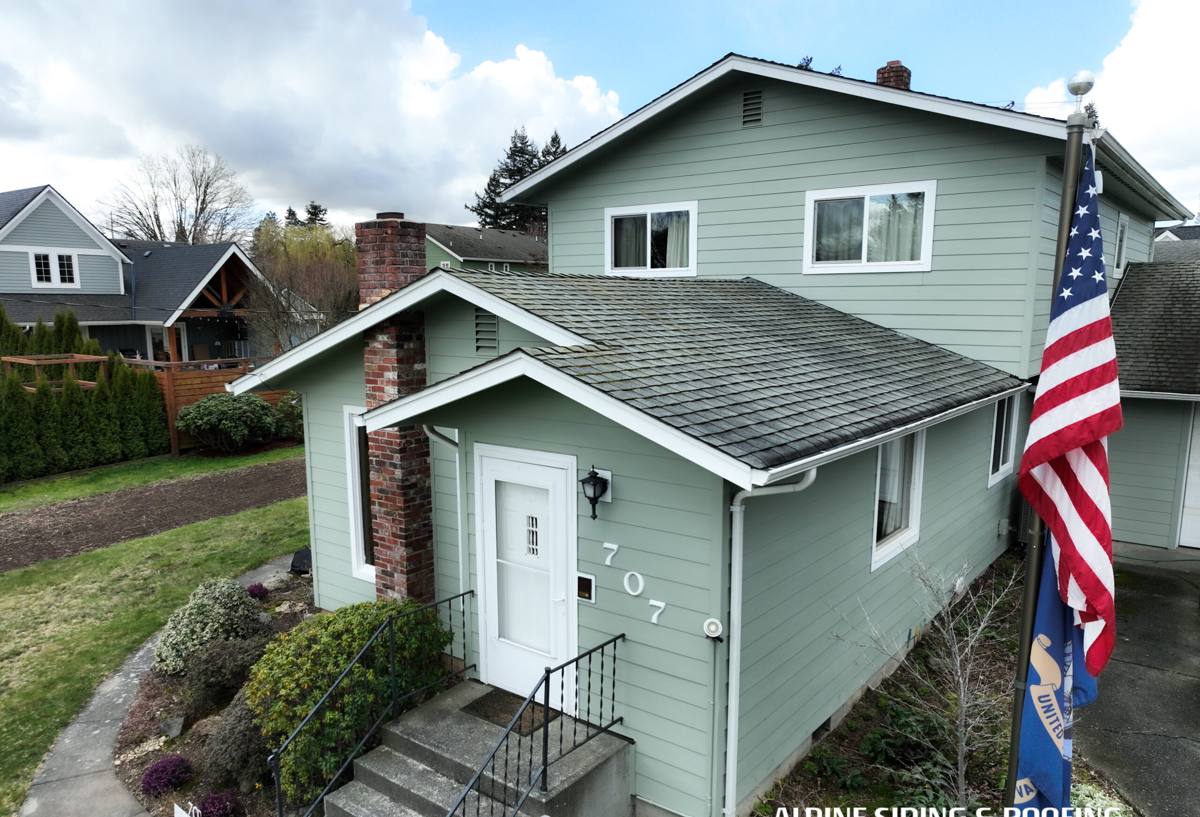
Signs a Lutz Roof Has Moved From "Repair" to "Replace"
Homeowners often call us for a leak repair and end up learning the roof is past the point where patching makes sense. Some patterns we see regularly in this area:
- Granule loss heavy enough that you're finding grit in gutters and downspout splash areas after every rain
- Shingles that have curled, cupped, or gone brittle from UV exposure — common on south and west-facing slopes that get the most direct sun
- Soft or spongy decking felt underfoot in the attic, usually near valleys, penetrations, or areas that sat under standing water after heavy rain
- Repeated leaks in different spots each storm season, which usually means the underlayment has failed broadly, not just at one point
- Visible daylight through the roof deck from inside the attic, or nail pops showing through the shingle surface
- A roof already past or close to the age where insurers start requiring a 4-point inspection or an updated roof certification to keep or renew coverage
If you're only seeing one or two of these, a repair may still be the right call. If several show up together, that's usually the system telling you it's done, not just one section of it.
Storm Damage vs. Wear-and-Tear
After a named storm or a bad wind event, it's worth getting a roof looked at even without an obvious leak. Wind can lift the seal strip on shingles without removing them outright, which leaves the roof vulnerable the next time wind hits from the same direction — often invisible from the ground and easy to miss unless someone is checking edges, ridges, and penetrations specifically.
Choosing a Roofing System That Fits Land O'Lakes Conditions
There's no single "best" roofing material — the right choice depends on your roof's slope, your budget, how long you plan to stay in the home, and how much upkeep you want to take on. Here's how the common options compare for this climate:
| System | UV/Heat Behavior | Wind Performance | Maintenance |
|---|---|---|---|
| Architectural (laminate) shingles | Good with proper attic ventilation; algae-resistant granules help with humidity staining | Rated up to 130 mph when installed to spec with correct nailing | Low; periodic debris clearing from tree cover |
| 3-tab shingles | More prone to curling and granule loss under sustained UV | Lower wind rating than architectural in most product lines | Low, but shorter service life in this climate |
| Standing seam metal | Reflects heat well; reduces attic temperature | Excellent when panels and fasteners are rated and installed correctly | Very low; occasional fastener and sealant checks |
| Concrete or clay tile | Excellent UV durability; heavy thermal mass | Good, but individual tiles can crack from falling limbs | Moderate; underlayment beneath tile is the real wear point |
For a lot of Lutz homes with mature trees overhead, architectural shingles remain the most practical balance of cost, wind performance, and appearance. Metal makes sense for homeowners planning to stay long-term who want to minimize future replacement cycles. Whatever system you choose, the underlayment and flashing details matter as much as the surface material — that's where most Florida roof failures actually start.
What a Correct Roof Replacement Actually Includes
A roof replacement done right is a full system rebuild, not a re-shingle. Here's what should happen on a proper tear-off in this area:
- Complete removal of old roofing material down to the deck, with the deck inspected board by board
- Repair or replacement of any decking that's soft, delaminated, or water-damaged — not skipped to save time
- Installation of a full underlayment system, including a secondary water barrier at valleys, penetrations, and eaves
- New flashing at every wall, chimney, skylight, and pipe penetration — old flashing gets reused far too often and it shouldn't be
- Drip edge and starter strip installed per manufacturer spec, not just whatever was there before
- Shingles, tile, or metal installed with the correct nailing or fastening pattern for the wind zone
- Ridge and attic ventilation checked and corrected if the existing setup was inadequate
- Final cleanup, including a magnetic sweep for stray nails around the property and landscaping
Skipping any of these steps is how a roof that looks brand new ends up leaking within a few years. It's also the difference between a roof that holds up under a real wind event and one that doesn't.
Wind Resistance and Florida Building Code Requirements
Roofing work in Pasco County has to meet the Florida Building Code's wind and water requirements, which govern things like nailing patterns, fastener counts, underlayment type, and how shingles are rated for wind uplift. These requirements exist because of exactly the kind of weather this region sees — sustained coastal winds and the occasional direct hit from a tropical system. A correctly permitted roof replacement is inspected against these standards, not just installed and left alone.
This matters for more than just code compliance. Insurance carriers increasingly ask for documentation of the roof's age, material, and installation method before renewing or writing a policy, and a properly permitted, code-compliant replacement gives you the paperwork to back up that conversation.
Ventilation Matters More Under Tree Canopy
Attics under heavy shade don't behave the way people expect. Shade keeps direct heat down, but it also traps moisture longer after rain, and organic debris from overhanging trees collects in ways that can clog ridge and soffit vents over time. A roof replacement is the right time to confirm the attic has balanced intake and exhaust ventilation — not just vents that exist, but vents that are actually working together. Poor ventilation shortens shingle life from underneath, even on a roof with a top-tier wind rating, and it's one of the most common issues we find on older Lutz homes when we open things up during a tear-off.
Our Process for Lutz Homeowners
Because we already work regularly in Land O'Lakes and the surrounding Lutz area, we're not learning the local wind exposure, permitting office, or common construction styles for the first time on your job. Our process is straightforward:
- An in-person inspection of the roof, decking (where accessible), and attic ventilation — not just a look from the ground
- A written scope and estimate that spells out material, underlayment, flashing, and ventilation plans in plain language
- Handling of the Pasco County permit and scheduling required inspections
- A crew that stays on your job until it's done, with daily cleanup so debris and nails don't sit around your property
- A final walkthrough before we consider the job complete
We're straightforward about trade-offs, too. If a repair will genuinely hold for a few more years, we'll say so. If your roof is at the point where a patch is just delaying an inevitable replacement, we'll explain why and let you make the call with real information.
Permits, Inspections, and Insurance Considerations
Because Lutz spans both Hillsborough and Pasco counties depending on the exact location, permitting sometimes runs through a different office than homeowners expect. We confirm the correct jurisdiction before filing, so there's no delay waiting on the wrong permit desk. A permitted, inspected replacement also gives you the documentation most insurers want to see for wind mitigation credits and updated roof certifications — worth having on file regardless of when you plan to file a claim.
What Replacement Typically Costs — and What Drives the Range
Every roof is different, but the factors that move the price are consistent. We won't quote a number without seeing the roof, but here's what tends to matter most:
| Factor | Why It Affects Cost |
|---|---|
| Roof size and number of facets | More cuts, valleys, and hip lines mean more labor and material waste |
| Decking condition | Rotten or delaminated plywood found during tear-off has to be replaced before new material goes on |
| Material choice | Shingle, metal, and tile carry very different material and labor costs |
| Roof pitch and accessibility | Steep or hard-to-access roofs take longer and require more safety setup |
| Layers being removed | Multiple existing layers add tear-off time and disposal cost |
Broadly, homeowners in this area should expect a range from a few thousand dollars for a smaller, simple shingle roof up to well into five figures for larger roofs, steep pitches, metal, or tile. We'll break down exactly where your number comes from before any work starts, so there are no surprises mid-project.
If your Lutz roof is showing its age, took a hit in the last storm, or you just want an honest read on how much life it has left, we're glad to come take a look. The estimate is free, there's no pressure attached to it, and you'll walk away with a clear picture either way — use the form below to get started.