 Land O'Lakes Siding
 Why Plantation Palms Homes Need Siding Built for Florida's Punishment
Plantation Palms sits in Land O'Lakes, one of the fastest-growing communities in Pasco County, and the homes here take a beating that a lot of siding products were never engineered to handle. Between June and November, the neighborhood is squarely in the path of tropical storms and hurricane-force wind gusts. The rest of the year, the sun does its own kind of damage — Florida's UV index runs high nearly every month, and it fades, chalks, and breaks down cheaper siding materials faster than most homeowners expect.
Add in wind-driven rain that gets forced sideways into every seam and joint, plus the humidity that never really lets up, and you've got a climate that exposes every weakness in a siding system: poor water management, weak fastening, low-grade materials, or a rushed install. Siding here isn't just a cosmetic choice. It's the first line of defense for the wall assembly behind it, and it needs to be installed correctly the first time.
What "Built for This Climate" Actually Means
It's not marketing language — it's a specific set of requirements the siding and the installation both have to meet:
- Material that doesn't absorb water and swell, rot, or delaminate when it's wet for days at a time
- A factory finish that resists UV fading instead of chalking and yellowing within a few years
- Fastening and flashing details rated for high-wind exposure, not just minimum code
- Joints and seams sealed and lapped to shed wind-driven rain rather than trap it
- Resistance to pests and moisture that thrive in Central Florida's humidity
Why We Install Only James Hardie Fiber Cement
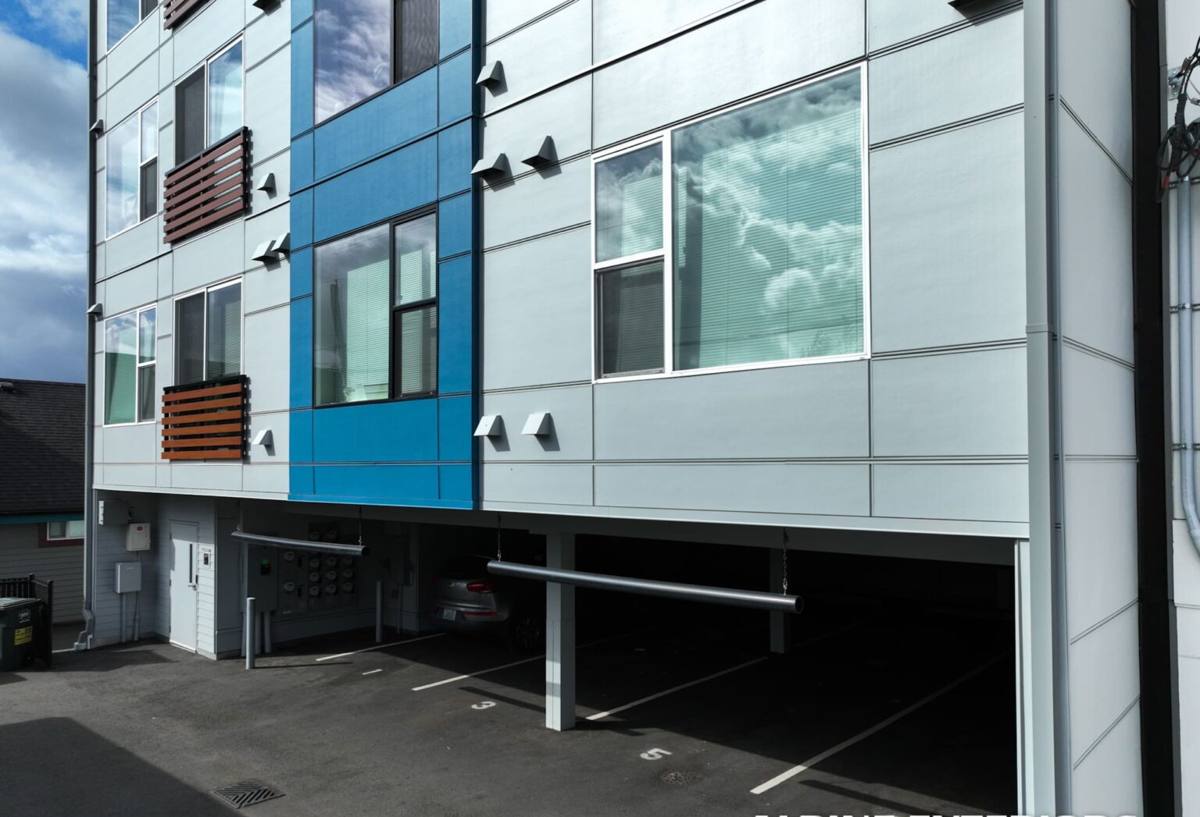
We made a decision as a company to install James Hardie fiber cement siding and nothing else — no vinyl, no LP SmartSide, no Cemplank or Allura, no primed wood. That's not because every alternative is a bad product; it's because after years of installing and repairing siding on Florida homes, Hardie is the one we trust to perform in this specific climate without surprises down the road.
Fiber cement itself is a cement, sand, and cellulose fiber composite — it's non-combustible, dimensionally stable, and doesn't expand and contract with humidity the way wood-based products do. James Hardie's ColorPlus factory-applied finish is baked on and warrantied against fading and peeling, which matters enormously in a market with this much year-round sun exposure. Hardie also engineers specific product lines (their HZ5 formulation) for high-humidity, high-moisture climates like ours, rather than selling one generic board nationwide. That climate-specific engineering, combined with a strong transferable warranty, is why it's the only siding we put our name behind.
What a Correct Fiber Cement Installation Involves
Fiber cement siding is only as good as the install underneath it. A huge share of the siding failures we get called out to inspect in Pasco County trace back to installation shortcuts, not the material itself. A correct job on a Plantation Palms home includes:
Water Management Behind the Siding
Before a single board goes up, the wall needs a properly lapped weather-resistant barrier, correctly integrated window and door flashing, and drainage planes that let any moisture that does get behind the siding find its way back out. Skip this step and you're building a moisture trap behind a nice-looking wall.
Fastening to Spec
James Hardie publishes exact nailing patterns, fastener types, and blind- versus face-nailing requirements by product and application. Following manufacturer specification — not just "close enough" — is what keeps siding attached through sustained hurricane-force gusts instead of working loose over a few storm seasons.
Proper Clearances and Gaps
Fiber cement needs the correct gap from grade, roofing, decks, and adjoining trim, along with expansion gaps at butt joints. These clearances keep water from wicking into the bottom edge of the board, which is one of the most common places we see damage on improperly installed siding.
Caulking and Sealant Details
Only the joints Hardie specifies should be sealed — over-caulking a system designed to shed water can actually trap moisture against the board. Getting this balance right takes experience, not just a caulk gun and good intentions.
Our Process for Plantation Palms Projects
Every home in this neighborhood has its own mix of sun exposure, tree cover, and wind exposure depending on lot orientation, so we don't run a one-size-fits-all process.
- On-site assessment — we inspect the existing siding, sheathing, and any trouble spots (window returns, corner boards, areas showing prior water intrusion) before quoting anything.
- Product and profile selection — lap width, texture, and color are chosen based on the home's style and HOA guidelines where applicable, always from Hardie's HZ5 climate-specific lineup.
- Tear-off and substrate check — old siding comes off and the sheathing underneath gets inspected for rot or damage before we move forward. Problems found here get fixed, not covered up.
- Weather barrier and flashing installation — this is the step that determines whether the wall stays dry for the next 30 years, and we don't rush it.
- Siding installation to manufacturer spec — correct fastening, clearances, and joint treatment throughout.
- Final walkthrough — trim, caulking, and paint touch-ups are inspected with the homeowner before we consider the job finished.
Fiber Cement vs. Other Siding Materials
Homeowners in Plantation Palms often ask us to explain, plainly, how fiber cement stacks up against the alternatives. Here's an honest comparison based on how these materials actually perform in a Central Florida climate:
| Material | Wind/Storm Performance | UV & Fade Resistance | Moisture Behavior | Typical Lifespan |
|---|---|---|---|---|
| James Hardie Fiber Cement | Engineered and rated for high-wind installation | Baked-on ColorPlus finish resists fading | Doesn't absorb water or rot | 30+ years with proper install |
| Vinyl | Can crack, warp, or blow off in sustained high winds | Fades and becomes brittle under constant UV | Doesn't rot, but traps moisture behind it if installed poorly | 15–25 years |
| Engineered Wood (LP SmartSide) | Reasonable wind rating when installed correctly | Requires field-applied paint maintenance | Wood-based core is vulnerable if moisture gets in | 20–30 years, maintenance-dependent |
| Primed Wood/Cedar | Susceptible to wind damage and warping | Needs frequent repainting to resist sun | Most vulnerable to rot and pest damage in humidity | 10–20 years, high maintenance |
Cost Factors for a Plantation Palms Siding Project
There's no honest way to quote a flat number without seeing the home, but the variables that actually move the price on a fiber cement project are consistent across most homes in this neighborhood:
| Factor | Why It Affects Cost |
|---|---|
| Home size and wall area | More square footage means more material and labor hours |
| Number of stories | Second-story work requires more scaffolding/staging time |
| Existing siding removal | Tear-off, disposal, and substrate repair add labor |
| Sheathing condition | Rot or water damage found underneath must be repaired before new siding goes on |
| Trim and architectural detail | Corners, window surrounds, and decorative trim add cutting and fitting time |
| Product line and profile | Lap width, texture, and specialty profiles vary in material cost |
Signs Your Plantation Palms Home May Need New Siding
Homes in this community range from newer construction to houses now old enough to be on their second or third siding cycle. A few warning signs we regularly find during inspections:
- Visible cracking, buckling, or warping in panels or lap boards
- Soft or spongy spots when pressed, especially near the bottom edges
- Paint that's peeling, bubbling, or chalking heavily when touched
- Gaps opening up at seams, corners, or around windows and doors
- Discoloration or staining that suggests water is getting behind the siding
- Higher-than-expected cooling bills, which can point to a compromised wall assembly
Maintenance That Actually Matters After Installation
Fiber cement is low-maintenance, not no-maintenance. Once James Hardie siding is properly installed on a Plantation Palms home, upkeep is straightforward: an occasional rinse to clear off pollen, mildew, or salt-laden air residue, a visual check after major storms for any impact damage or lifted boards, and keeping an eye on caulking at trim joints over the years. Because the ColorPlus finish is factory-baked rather than field-applied, you're not on a repainting schedule the way you would be with wood siding — that alone is one of the biggest long-term savings homeowners see.
Why It Matters to Hire a Crew That Already Works This Neighborhood
A crew that regularly works in Land O'Lakes and Pasco County understands the specific permitting requirements, wind-load expectations, and inspection standards that apply here — that's different from a contractor who mostly works siding jobs somewhere with a milder climate. Familiarity with a community like Plantation Palms also means fewer surprises: knowing what HOA architectural guidelines typically look for, understanding the lot orientations and exposure patterns common to the area, and having already solved the kinds of substrate and flashing issues that show up in homes built during this area's various construction booms.
Experience installing fiber cement specifically — not siding in general — is what separates a job that looks fine on install day from one that's still performing correctly after the next decade of Florida summers and storm seasons.
If you're considering new siding for your Plantation Palms home, we're happy to walk the exterior with you, point out anything we see, and put together a straightforward, no-pressure estimate. There's no obligation — just an honest look at what your home needs. Fill out the form below to get started.