 Land O'Lakes Siding
 Odessa sits in the unincorporated stretch of Pasco County just west of Land O'Lakes, a community of mature oak canopy, larger lots, and a mix of older ranch-style homes alongside newer construction. That combination — big trees, open sky exposure around the lakes, and roofs that span a wide range of ages and conditions — means storm damage here doesn't always look the same from one property to the next. A repair plan that works for a ten-year-old architectural shingle roof isn't the same plan that works for a roof that's been patched twice already. This page covers what storm damage roof repair actually involves for Odessa homes specifically, and what to expect when you call someone to look at it.
Why Odessa Roofs Take a Beating
Pasco County sits squarely in the path of Gulf-driven storm systems, and Odessa gets the full range of what that brings: hurricane-force wind gusts during tropical systems, sudden severe thunderstorms that roll through most summer afternoons, and the kind of wind-driven rain that finds every weak seam in a roofing system rather than just soaking the surface. Add in year-round intense UV exposure that slowly bakes shingle asphalt and breaks down sealants, plus a measure of salt air carried inland from the Gulf, and you've got a roof that's under more sustained stress than one in a milder climate.
Odessa's tree cover adds a factor that some neighboring areas don't deal with as much. Mature oaks are part of what makes the area attractive, but overhanging limbs are also a leading cause of storm-related roof damage — not just from full limb strikes, but from smaller branches and debris that get driven onto a roof surface during high wind and work granules loose over time.
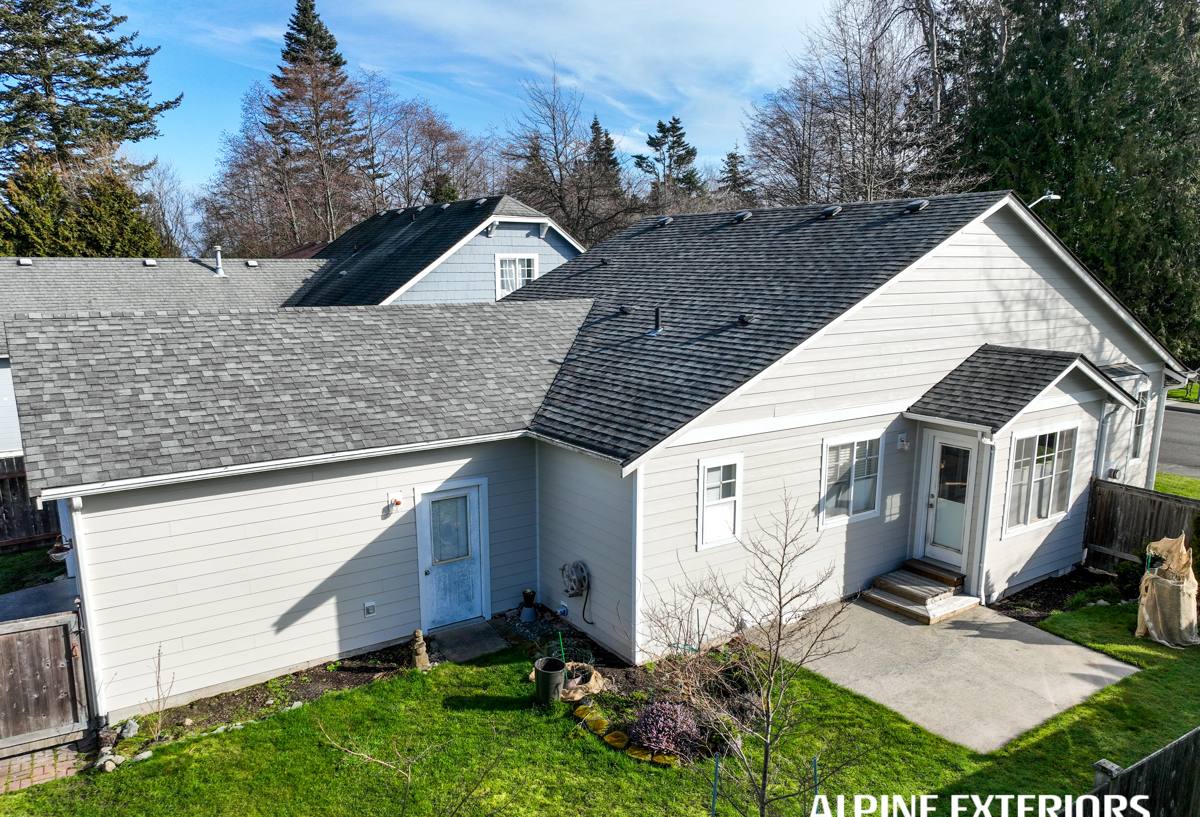
What Counts as Storm Damage
Homeowners often picture storm damage as a hole in the roof or missing shingles after a hurricane. In practice, most of what we repair is less dramatic but still serious if it's left alone.
Wind Damage
Sustained wind or gusts can lift shingle edges, break the adhesive seal strip, or tear shingles loose entirely. Sometimes the shingle stays in place but the seal is broken — the roof looks fine from the ground but is no longer watertight.
Wind-Driven Rain
Rain that comes in sideways during a storm can get pushed up under shingle edges, around flashing, and into any gap that wouldn't normally see standing water. This is one of the most common causes of interior leaks that show up days or weeks after the storm has already passed.
Hail and Impact Damage
Hail in this part of Florida tends to be smaller than what you'd see farther north, but it can still bruise shingles and knock granules loose, which shortens the life of the roofing material even when there's no visible puncture.
Tree Limb and Debris Damage
Given Odessa's tree canopy, this is a frequent cause of both minor and major roof damage — anything from scraped and lifted shingles to a punctured deck if a larger limb comes down.
The Hidden Risk: Damage You Can't See From the Ground
The damage that causes the most trouble long-term is usually the damage nobody notices right away. A broken shingle seal, a granule-stripped section, or flashing that's been bent just enough to open a gap doesn't always show as an obvious problem from the driveway. It shows up later as a stain on a ceiling, a soft spot in the decking, or mold in an attic — by which point the repair is bigger and more expensive than it needed to be.
This is why a proper storm damage assessment isn't just a drive-by look. It means getting on the roof (or using a camera where a roof can't be safely walked), checking flashing points around chimneys, vents, and valleys, and examining the attic side for moisture intrusion that hasn't reached the ceiling yet.
Our Storm Damage Repair Process
- Inspection and documentation. We walk the roof, check flashing and penetrations, and photograph everything we find — this documentation matters for insurance purposes as much as for our own repair plan.
- Temporary protection if needed. If there's active or likely leaking, we get the roof weathertight first, before working out the full repair scope.
- Repair scope and estimate. We explain what's damaged, what it will take to fix it correctly, and give you a written estimate before any work starts.
- The repair itself. This might mean replacing a section of shingles, resealing and re-flashing a valley, repairing decking, or a combination of these — matched to the actual damage, not a blanket approach.
- Final check. We verify the repair holds up to close inspection and that surrounding areas weren't missed.
Repair vs. Replacement: How We Decide
Not every storm-damaged roof needs to be replaced, and not every roof can be safely patched. The right call depends on the roof's age, how widespread the damage is, and what condition the rest of the roofing system is in.
| Factor | Repair Is Usually Enough | Replacement Should Be Considered |
|---|---|---|
| Roof age | Under 10-12 years, in otherwise sound condition | Nearing or past its expected service life |
| Extent of damage | Isolated to one section or a handful of shingles | Spread across multiple slopes or large areas |
| Underlying deck | Solid, dry, no soft spots | Soft, water-stained, or previously repaired decking |
| Prior repair history | Few or no previous patch jobs | Multiple past repairs in different areas |
| Matching materials | Current shingle line still available or close match | Discontinued shingle, visible mismatch unavoidable |
We'll tell you honestly which category your roof falls into. A repair that's cheaper today but doesn't hold isn't a good use of your money, and a full replacement isn't something we recommend when a proper repair will genuinely do the job.
Insurance Claims: What Odessa Homeowners Should Know
Storm damage repairs are often tied to a homeowner's insurance claim, and the documentation from the initial inspection is part of what supports that claim. We're not a public adjuster and we don't handle the claim itself, but we can provide the photos, damage assessment, and repair estimate an adjuster will want to see. A few things worth knowing going in:
- Most policies require damage to be reported within a set window after the storm — don't wait months to have it looked at.
- An adjuster's initial assessment and a roofing contractor's assessment don't always match; a second, independent look at the roof is a reasonable thing to ask for.
- Keep your own photos and notes on when you first noticed damage, especially if it wasn't immediately after a named storm.
- Get repair estimates in writing before work begins — insurers generally expect this as part of the claim.
Materials and Methods for Storm-Resilient Repairs
A repair is only as good as the materials and technique behind it. For Odessa's climate, that means:
Underlayment and Sealing
Any section we open up gets proper underlayment and sealed correctly at the seams — this is what actually stops wind-driven rain, more than the shingle layer itself.
Flashing
Flashing around chimneys, skylights, and valleys is one of the most common failure points after a storm. We check it every time, not just where obvious damage is visible, because a small gap here causes disproportionate leak problems.
Shingle Fastening
Proper nail placement and count matters more in a wind-prone area like this than in milder climates — under-fastened shingles are one of the most preventable causes of repeat wind damage.
Why a Crew That Already Works in Odessa Matters
Roofing rules and permitting requirements run through Pasco County, and knowing that process ahead of time keeps a repair from stalling on paperwork. Beyond permitting, there's real value in a crew that's already familiar with the kind of roofs common in this area — the mix of older homes on larger wooded lots and newer subdivisions, the tree-related damage patterns, and the practical reality that a roof shaded by mature oaks ages and repairs differently than one in full open sun. After a widespread storm event, response time also matters: a crew already working in the area can typically get to your property faster than one dispatched from farther away.
What to Do Immediately After a Storm
- Do not get on the roof yourself — storm-damaged roofing can be unstable and slick.
- Check ceilings and attic spaces for new stains, drips, or damp insulation.
- Photograph any visible exterior damage from the ground, including debris on the roof or in the yard.
- Note the date and approximate time damage was discovered, for insurance purposes.
- Avoid pressure-washing or otherwise disturbing the roof surface before it's been inspected.
- Call for an inspection promptly rather than waiting to see if a small issue gets worse.
Get Your Roof Checked
If your Odessa home has been through a recent storm — or you're just not sure whether older damage was ever properly addressed — it's worth having a straightforward, no-pressure look before a small problem turns into a ceiling repair. Fill out the form below for a free estimate, and we'll tell you plainly what we find and what it would take to fix it right.