 Land O'Lakes Siding
 Why Oakstead Roofs Take a Beating
Oakstead sits inland from the Gulf, but that doesn't spare its roofs from Florida's toughest conditions. Homes here deal with intense year-round UV exposure that breaks down shingle granules and asphalt oils faster than in most parts of the country, seasonal tropical systems that bring hurricane-force gusts and wind-driven rain, and enough humidity to keep moisture problems alive long after a storm passes. Add in the salt-laden air that drifts inland across Pasco County on a west wind, and even inland neighborhoods like Oakstead see accelerated corrosion on fasteners, flashing, and metal roof components.
None of this means Oakstead roofs fail faster than they should. It means they need to be built and replaced correctly the first time, with materials and installation details matched to what this climate actually does to a roof over ten, fifteen, twenty years. A roof replacement done to a generic national standard, without accounting for Central Florida's wind and UV load, tends to show its age early — curling shingles, lifted ridge caps, and leaks around penetrations well before the material's rated lifespan is up.
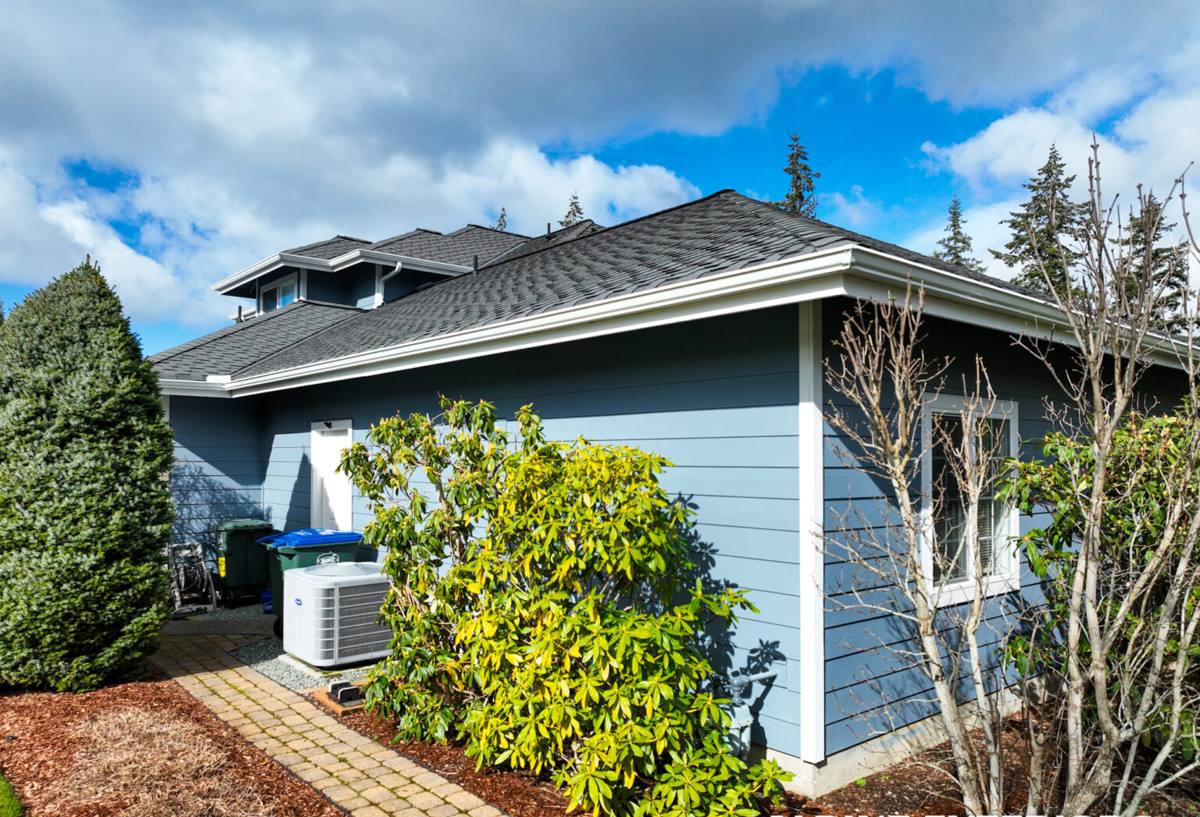
Signs Your Oakstead Roof Has Reached the End of Its Line
Not every roofing problem calls for a full replacement. But there's a point where patching individual leaks becomes more expensive, and less reliable, than starting fresh. Homeowners in Oakstead should start looking seriously at replacement when they notice:
- Shingles that are curling, cupping, or losing granules in patches (visible as bald-looking spots on the roof plane)
- Multiple leak repairs in different spots over the past year or two, rather than one isolated issue
- Soft or spongy decking felt underfoot during an inspection, which usually means water has already reached the wood
- Daylight visible through the attic roof boards, or consistent staining on attic insulation
- A roof that's approaching or past 18-20 years old for asphalt shingle, especially if it's never been re-covered
- Visible storm damage — creased shingles, exposed nail heads, or missing tabs after a wind event
If your roof is showing two or more of these signs at once, a replacement is usually the more economical path than continuing to chase repairs, especially heading into another Florida storm season.
What a Correct Roof Replacement Actually Involves
A roof replacement is more than swapping old shingles for new ones. Done right, it's a full system rebuild, and the parts that don't show once the job is finished are the parts that determine whether the roof holds up in Oakstead's climate.
Tear-Off and Deck Inspection
We remove the existing roofing material down to the deck rather than layering over it. That's the only way to actually see the plywood or OSB sheathing underneath. Any boards that are soft, delaminated, or water-stained get replaced before anything new goes down — skipping this step is the single most common reason a "new" roof leaks within a few years.
Underlayment and Flashing
Underlayment is the roof's backup waterproofing layer, and in a climate with this much wind-driven rain, it matters as much as the shingles themselves. We use synthetic or self-adhering underlayment at valleys, eaves, and penetrations rather than relying on the shingle layer alone to keep water out. New flashing goes in at every chimney, wall intersection, skylight, and vent pipe — reused flashing is a common shortcut that leads to leaks in exactly those spots a year or two later.
Ventilation
Proper attic ventilation keeps roof temperatures and moisture in check, which slows shingle aging and helps prevent deck rot. We check that intake (soffit) and exhaust (ridge or box vents) are balanced, not just present, since an unbalanced system can trap heat and humidity even with vents installed.
Roofing Material Options for Oakstead Homes
There's no single "best" roofing material for every home — the right choice depends on your roof's pitch, your home's structure, your budget, and how long you plan to stay in the house. Here's how the common options compare for a Pasco County climate:
| Material | Typical Lifespan | Wind Performance | Considerations for Oakstead |
|---|---|---|---|
| Architectural (dimensional) asphalt shingle | 20-30 years | Good, with proper nailing and rated wind class | Most common choice locally; wide style/color range; good value |
| 3-tab asphalt shingle | 15-20 years | Lower wind rating than architectural | Lower upfront cost, but we generally don't recommend it given local wind exposure |
| Concrete or clay tile | 40-50+ years | Very good when properly fastened | Higher upfront cost; heavier structure requirement; strong resale appeal |
| Standing seam metal | 40-60 years | Excellent | Higher cost; needs corrosion-resistant fasteners given salt-air exposure; reflects heat well |
For most Oakstead homes, architectural asphalt shingle offers the best balance of upfront cost, wind performance, and appearance. Homeowners planning to stay long-term, or who want to minimize future re-roofing, often look at tile or metal instead — we'll walk through the real trade-offs for your specific roof rather than push one product across the board.
Our Roof Replacement Process, Start to Finish
- On-site inspection and estimate. We walk the roof, check the attic, and give you an honest read on condition, not just a sales pitch.
- Material selection. We go over shingle class, color, and any upgrades (ventilation, underlayment type) based on your roof and budget.
- Permitting. We pull the required Pasco County roofing permit before work begins — this isn't optional, and it protects you if there's ever an insurance question later.
- Tear-off and disposal. Old roofing comes off and is hauled away; the deck is inspected and any damaged sheathing is replaced.
- Dry-in. Underlayment and flashing go down first, so the roof is weather-tight even before shingles are installed.
- Installation. Shingles, tile, or metal panels go on to manufacturer specifications and local wind-rating requirements.
- Final inspection and cleanup. We walk the finished roof with you, confirm the county inspection is passed, and make sure the property is cleared of debris and nails.
Permits, Wind Mitigation, and Florida Building Code
Roof replacements in Pasco County require a building permit and a final inspection — that's true whether the job is done by a large company or a two-person crew, and any contractor who tells you otherwise is cutting a corner that can cost you later. Permitted work also generates the documentation you need for a wind mitigation inspection, which can affect your homeowners insurance premium. A properly installed roof with the right nailing pattern, secondary water barrier, and rated materials can qualify for wind mitigation credits that lower your annual premium — money that helps offset the cost of the replacement over time.
We handle the permit filing and coordinate the required inspections as part of the job, so you're not left tracking down paperwork after the crew has already moved on.
What Actually Drives the Cost of a Roof Replacement
Every roof is different, and we don't quote sight-unseen prices — but these are the factors that move the number up or down on most Oakstead homes:
- Roof size and pitch — more square footage and steeper slopes mean more material and labor time
- Material choice — asphalt shingle, tile, and metal have significantly different material and labor costs
- Deck condition — hidden rot found during tear-off means replacement sheathing, which is priced as it's found, not guessed in advance
- Number of penetrations — chimneys, skylights, and multiple roof valleys all add flashing labor
- Layers of existing roofing — removing two layers of old shingles takes longer than removing one
- Ventilation and code upgrades — bringing older ventilation or flashing details up to current code standards
We break all of this down in writing before work starts, so you know what you're paying for and why — not just a single bottom-line number.
Why a Crew That Already Works in Oakstead Matters
Roofing companies that work Land O'Lakes and greater Pasco County regularly know the local permitting office's requirements, the wind-rating standards that apply here, and how neighborhood HOA guidelines in communities like Oakstead typically handle color and material approvals. That familiarity cuts down on delays — fewer surprises at inspection, fewer back-and-forth trips for paperwork, and a crew that's used to scheduling around Florida's afternoon storm patterns rather than losing days to weather they didn't plan for.
It also means accountability. A contractor with an ongoing presence in the area has a reason to stand behind the work years down the line, not just disappear once the final payment clears. When you're choosing who replaces your roof, ask how long they've worked in Pasco County, whether they're familiar with your specific neighborhood, and whether they'll be reachable if a question comes up after a storm two years from now.
After the Job: Keeping Your New Roof Performing
A new roof is a long-term investment, and a little upkeep goes a long way in this climate. Once your replacement is complete, we recommend:
- A visual inspection after any major storm, checking for lifted shingles, dented vents, or debris buildup in valleys
- Keeping gutters clear so water isn't backing up under the roof edge during heavy rain
- Trimming back overhanging tree limbs that can drop debris or scrape shingles in high wind
- An annual walk-around inspection, especially before hurricane season, to catch small issues before they become leaks
- Keeping your permit and wind mitigation paperwork on file for insurance purposes
If you're seeing signs of wear on your current roof, or you'd simply like an honest opinion on where it stands, we're happy to take a look. Reach out for a free, no-pressure estimate using the form below, and we'll give you a straight answer on what your Oakstead roof actually needs.