 Land O'Lakes Siding
 New-Construction Windows for New Port Richey Homes
New Port Richey sits in a part of Pasco County that gets the full range of what Gulf Coast Florida weather can throw at a house — sustained summer humidity, sudden tropical downpours, hurricane-season wind events, and year-round UV exposure strong enough to break down materials that aren't built for it. When a home is being newly built, added onto, or fully re-framed at the openings, the windows going in are new-construction windows — a different product and a different installation method than the replacement windows most homeowners are used to hearing about. Getting this step right the first time matters more here than in milder climates, because a poorly flashed or under-rated window in this area doesn't just leak — it can fail during a wind event.
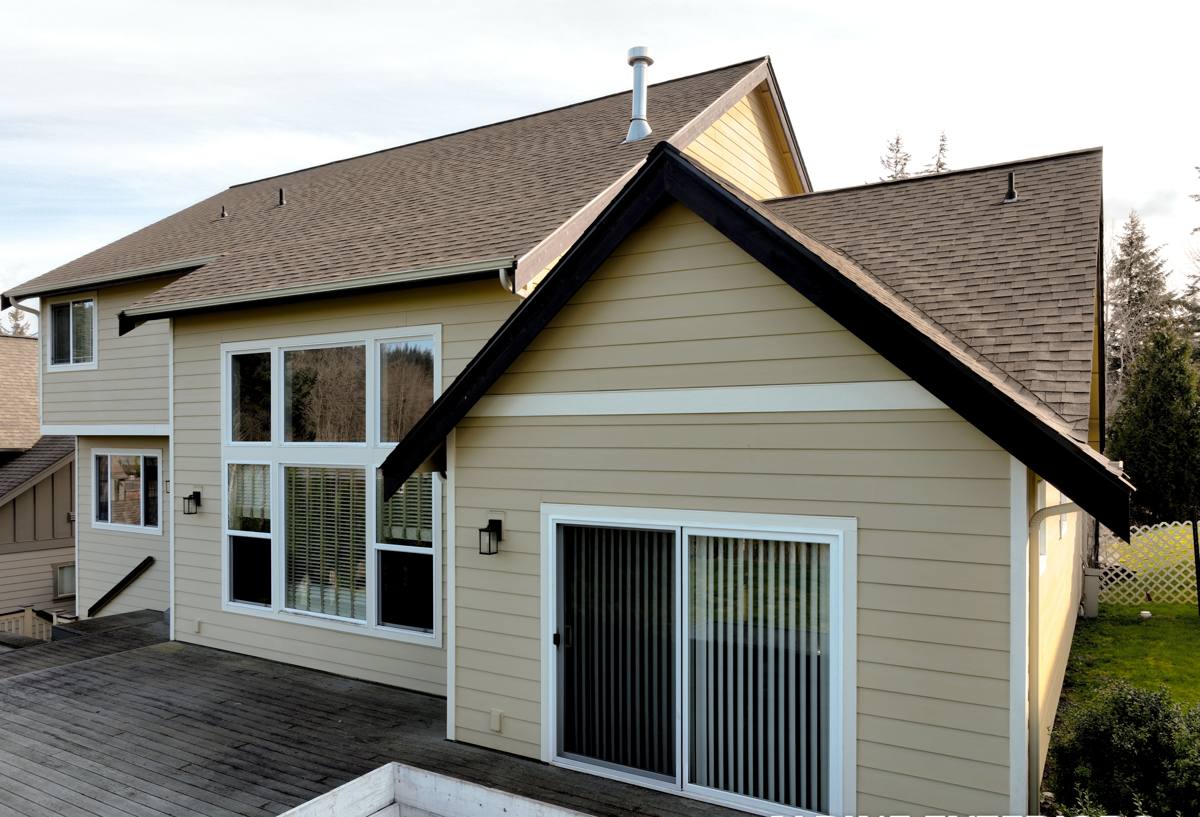
New-Construction vs. Replacement Windows — Why It Matters Here
These two window types solve different problems, and using the wrong one for the job creates issues down the road.
Nail Fin vs. Block Frame
A new-construction window has a nailing fin (sometimes called a flange) around its perimeter. That fin gets fastened directly to the framing and integrated into the house's weather-resistive barrier and flashing system before the exterior finish — siding, stucco, or brick veneer — goes on. A replacement (or "insert") window has no fin; it's built to slide into an existing, intact frame with minimal disturbance to the surrounding wall finish. You cannot substitute one for the other without extra fabrication, and doing so compromises the water management the window depends on.
When New-Construction Windows Are the Right Call
This applies to ground-up new builds, room additions, garage or lanai conversions, and any project where the plan calls for cutting the opening back to the studs — including full-frame replacements on older homes where the existing frame is rotted, out of square, or undersized for a modern impact-rated unit. If your project involves new framing or you're removing the exterior finish down to the sheathing anyway, new-construction windows are almost always the better long-term choice because the entire opening gets rebuilt correctly rather than patched around.
What Pasco County's Climate Demands From a Window
Wind and Windborne Debris
Parts of Pasco County, including areas around New Port Richey close to the coast, fall within Florida's windborne debris region under the Florida Building Code. That designation triggers specific requirements for the openings on a home — either impact-rated glazing or approved protective coverings, plus a window assembly rated for the wind pressures the local code requires. New-construction windows give you the cleanest path to meeting that requirement, since the assembly, the flashing, and the fastening schedule are all documented together and inspected as a system.
Wind-Driven Rain and Water Intrusion
Florida wind events rarely bring rain straight down — it comes in sideways, under eaves and around corners. A window opening is only as good as its weakest flashing detail. This is the single biggest source of long-term water damage in homes throughout this region, and it's almost always a workmanship issue at the sill and jambs rather than a defect in the window itself.
UV and Heat
Vinyl, sealants, and even some glass coatings degrade faster under Florida's UV load than they would in a northern climate. Windows facing west and south on a New Port Richey home take the brunt of this year-round, which is why glass package and frame material selection matter as much as the brand name on the unit.
Humidity and Salt Air
Even a few miles inland from the Gulf, moist salt-laden air accelerates corrosion on hardware, fasteners, and lesser-grade aluminum components. Windows and installation materials rated for coastal exposure hold up; hardware that isn't rated for it starts showing pitting and failure years before it should.
Code, Permits, and Design Pressure Ratings
Every new-construction window installed in Pasco County needs to carry a documented design pressure (DP) rating appropriate to the home's exposure and height, along with Florida product approval showing the assembly has been tested for wind load and water penetration. This isn't paperwork for its own sake — it's what the building department checks before signing off, and it's what an insurance adjuster or a future buyer's inspector will look for. A window installed without a permit, or without documentation matching what's actually in the wall, can create real problems at resale or claim time, even if the window itself performs fine.
New Port Richey and the surrounding unincorporated Pasco County areas require a building permit for new-construction window installation, and the work is inspected — typically once for rough opening and flashing before the exterior finish closes it up, and again at final. Skipping the rough inspection because the schedule is tight is one of the most common corners cut in this trade, and it's the one inspection that actually protects the homeowner, since flashing defects are invisible once the wall is closed.
What a Correct Installation Actually Involves
The window itself is only part of the job. The opening preparation is where most long-term failures either get prevented or built in.
- Rough opening checked for square, level, and correct dimensions before the window ever arrives
- Sill pan flashing installed to shed any water that gets past the window back to the exterior, not into the wall cavity
- Weather-resistive barrier integrated with the flashing in the correct shingle-lap sequence — house wrap over the top flange, never under it
- Nailing fin fastened per the manufacturer's schedule, not "close enough" spacing
- Corner and jamb flashing sealed with a compatible sealant rated for sustained UV and movement
- Shims placed at load points so the frame isn't relying on foam or sealant for structural support
- Low-expansion insulation used around the perimeter — not standard high-pressure foam, which can bow a frame out of square
- Interior and exterior trim or finish work completed without covering up any part of the flashing system that should stay accessible for future inspection
Any one of these steps done wrong tends to show up later as a leak, a stuck sash, or a failed inspection — not immediately, which is exactly why it's worth getting right the first time rather than hoping it holds.
Choosing Frame Material and Glass for This Climate
There's no single "best" window for every New Port Richey home — the right choice depends on the home's exposure, budget, and how the openings are used. Here's how the common frame materials compare for this specific climate.
| Frame Material | Coastal/UV Performance | Maintenance | Typical Fit |
|---|---|---|---|
| Vinyl | Good with UV-stabilized formulations; lower-grade vinyl can chalk or warp over time in full sun | Low — no painting, occasional cleaning | Most new-construction and full-frame replacement projects |
| Aluminum | Strong structurally, but standard aluminum conducts heat and can corrode near salt air without proper coating | Moderate — coating can wear, may need refinishing | Larger openings, impact frames, some commercial-style projects |
| Fiberglass | Excellent — dimensionally stable in heat, resists UV degradation better than vinyl over the long term | Low | Homeowners planning to stay long-term who want the lowest lifecycle maintenance |
On the glass side, a Low-E coating tuned for a southern climate cuts down radiant heat gain, which matters on west- and south-facing walls that take direct afternoon sun most of the year. For impact protection, laminated impact glass and engineered shutter systems both meet code, but they're not interchangeable in daily use — impact glass protects the opening at all times without any action needed, while shutters require someone to deploy them ahead of a storm. We'll walk through that trade-off honestly based on the specific openings on your project rather than pushing one option across the board.
Our Process, Start to Finish
New-construction window work runs on a schedule with other trades, so the sequence matters as much as the workmanship.
- Site visit and opening review — we look at framing plans (for new builds) or the existing openings (for full-frame replacement) and confirm rough opening sizes before any window is ordered
- Product selection — frame material, glass package, and impact protection approach are chosen for each elevation based on sun exposure and wind requirements, not a one-size default
- Permit submission — documentation is filed with Pasco County or the appropriate local building department, matched to the actual product approval numbers on the windows ordered
- Rough opening prep and flashing — sill pans, weather barrier integration, and fin fastening completed and left open for inspection
- Rough inspection — the building department signs off on flashing and installation before exterior finish closes the wall
- Exterior and interior finish — trim, sealant, and any siding or stucco work completed around the now-inspected opening
- Final walkthrough — operation, sealant lines, and hardware checked with the homeowner or builder before we consider the job done
Why a Crew That Already Works New Port Richey Matters
A lot of what makes new-construction window installation go smoothly in this area isn't the window itself — it's familiarity with how Pasco County's building department reviews and inspects this work, what documentation they expect to see match the product on-site, and what the common framing quirks are in homes and new builds throughout the New Port Richey area. A crew that's pulled permits here before knows how to sequence the rough inspection so it doesn't hold up the siding or stucco crew behind them, and knows which flashing details local inspectors pay closest attention to. That familiarity shows up as fewer surprises, fewer failed inspections, and a project that stays on schedule.
It also matters for warranty and service. If a question comes up two or three years after installation — a sticking sash, a sealant line that needs attention — a local contractor with a track record in this specific market is a lot easier to have back out to look at it than a crew that installed windows here once and moved on.
Cost Factors to Expect
Every project is different, but the line items that move the price on new-construction window work in this area are fairly consistent.
| Factor | How It Affects Cost |
|---|---|
| Frame material | Vinyl is typically the most budget-friendly; fiberglass and impact-rated aluminum run higher |
| Impact rating | Impact glass carries a real premium over standard glass paired with shutters, but eliminates the need to deploy protection before a storm |
| Opening size and count | Larger openings and higher window counts increase both material and labor cost proportionally |
| Framing condition | On full-frame replacements, rot or out-of-square framing found during demo adds carpentry work beyond the window install itself |
| Permitting complexity | Additions and structural changes involve more plan review than a like-for-like new-construction swap |
We'll break down these factors specifically for your home or project rather than quoting a flat number that doesn't account for what's actually involved.
Ready to Talk Through Your Project?
If you're planning a new build, an addition, or a full-frame window replacement in the New Port Richey area, we're happy to walk the site, look at what your project actually needs, and give you a straightforward, no-pressure estimate — no obligation, just a clear picture of the options and what they cost. Use the form below to get started.