 Land O'Lakes Siding
 Siding Repair Built for Lake Padgett's Climate
Lake Padgett sits inland from the Gulf but that doesn't spare it from the punishment Central Florida dishes out year-round. Between the intense subtropical sun, the humidity that never really lets up, and the wind and rain that come through with every summer storm system and the occasional hurricane, siding in this part of Pasco County works hard. Add in the moisture that settles around homes near the lake chain itself, and you've got a recipe for siding problems that show up faster than homeowners expect.
Siding repair isn't a one-size-fits-all job. A cracked panel from wind-driven debris needs a different fix than a soft spot caused by months of trapped moisture behind a failed seam. Getting it right means understanding both the material you're working with and the specific conditions that caused the damage in the first place. That's what this page is about — what siding repair actually involves for a Lake Padgett home, and how to tell when a repair is the right call versus when it's time to talk about replacement.
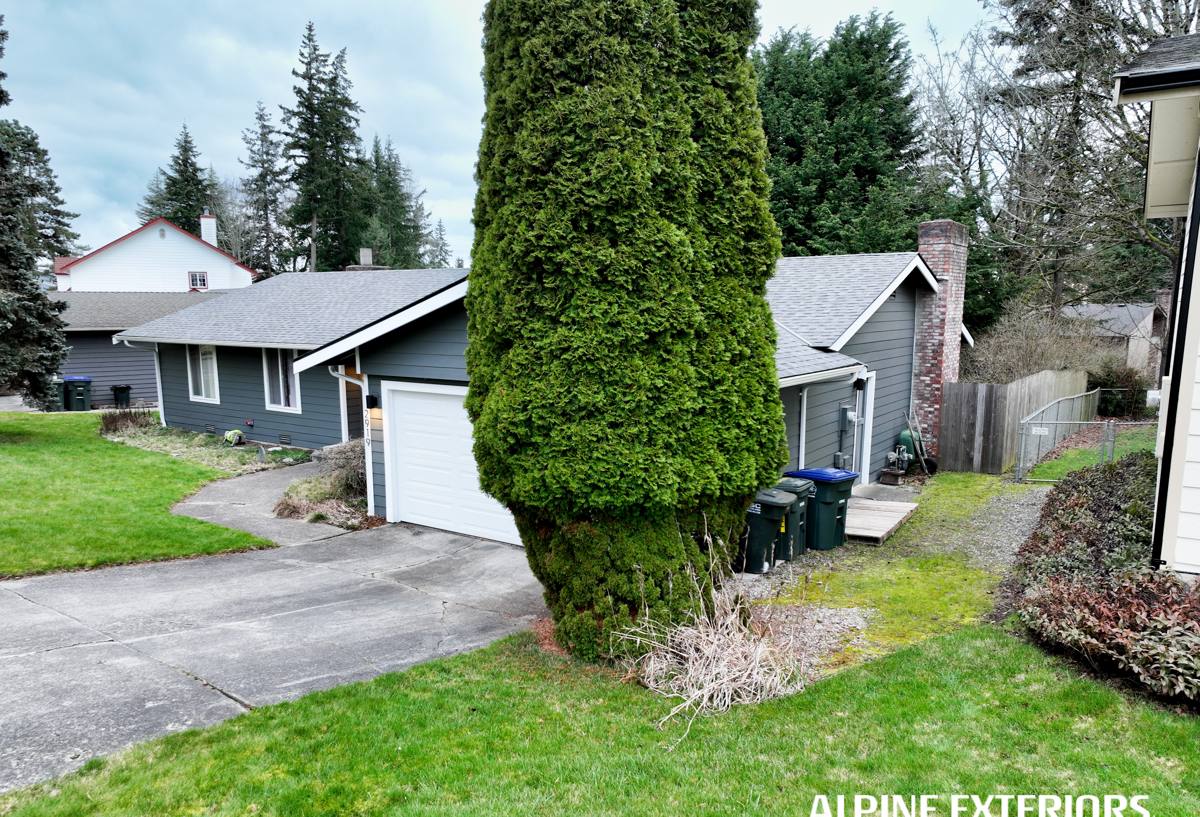
What Land O'Lakes Weather Does to Siding
UV and Heat
Florida sun is relentless. Siding faces months of direct, high-intensity UV exposure every year, and that exposure breaks down caulking, fades paint, and stresses the bond between siding panels and the substrate underneath. Cheaper finishes chalk, fade unevenly, or become brittle well before a homeowner expects to think about maintenance.
Wind-Driven Rain
It's rarely just rain here — it's rain pushed sideways by wind, and that changes how water finds its way into a wall system. Wind-driven rain gets forced up under laps, into seams, and behind trim in ways that a straight-down rain never would. Once water gets behind siding, the damage often isn't visible until it's already serious.
Storm and Wind Load
Pasco County sees its share of tropical storms and hurricane-adjacent weather, and even a storm that stays offshore can send sustained wind and flying debris through a neighborhood. Loose fasteners, lifted panels, and impact damage are common storm aftermath, even on siding that otherwise looks fine.
Humidity and Moisture Cycling
Florida's humidity keeps moisture in play even between rain events. Siding and the wall assembly behind it go through constant cycles of absorbing and releasing moisture, which is hard on seams, caulk joints, and any wood trim or fascia nearby. Homes closer to the lake tend to run a notch more humid than homes further inland, which can accelerate the same problems.
Common Siding Repair Issues We See
Not every repair call is the same, but a handful of issues come up repeatedly on Lake Padgett homes:
- Cracked or split panels from impact — storm debris, lawn equipment, or accidental damage
- Buckled or bowed sections caused by moisture trapped behind the siding
- Failed caulk joints at trim, corners, and penetrations letting water in
- Nail pops and loose fasteners from wind stress or improper original installation
- Soft or discolored spots indicating rot in wood trim or substrate behind the siding
- Faded or chalking finish where the factory coating has broken down under UV exposure
- Gaps or separation at seams and butt joints that have opened up over time
Some of these are cosmetic and low-urgency. Others — especially anything involving trapped moisture or rot — get worse the longer they sit, because Florida's humidity gives problems no chance to dry out on their own.
What a Correct Repair Actually Involves
A siding repair that's done right isn't just about patching the visible damage. It starts with figuring out why the damage happened, because fixing the symptom without addressing the cause means you're doing the same repair again in a year or two.
Diagnosis Before Patching
Before any panel comes off, a proper repair starts with checking what's behind it. Is there moisture intrusion? Is the substrate compromised? Is the damage isolated or a sign of a broader flashing or drainage problem? Skipping this step is how homeowners end up paying for the same repair twice.
Matching Material and Finish
If the existing siding is James Hardie fiber cement with a ColorPlus factory finish, a proper repair uses matching Hardie product and, where visible, touch-up designed for that finish system — not a generic caulk-and-paint patch that will weather differently than the surrounding panels. Mismatched repairs stand out fast under Florida sun as the patched area ages at a different rate than the rest of the wall.
Flashing and Water Management
Most siding failures in this climate trace back to water management, not the siding material itself. A repair that doesn't correct the underlying flashing, house wrap, or drainage detail is a repair that's likely to fail again the next time we get a hard summer storm.
Fastening for Wind Exposure
Repairs get fastened to hold up against the same wind loads the rest of the house is built for. That means correct fastener type, spacing, and placement — not just enough nails to make the panel stay put for now.
Our Repair Process
- Inspection. We walk the exterior, identify every area of concern, and check behind damaged sections where needed to understand what's actually going on.
- Diagnosis and plan. We explain what we found, why it happened, and what it will take to fix it correctly — including whether a targeted repair is enough or whether the damage points to a bigger issue.
- Repair work. We remove and replace only what needs it, correct any underlying flashing or moisture issues, and match materials and finish as closely as the situation allows.
- Final check. We confirm the repair is sealed, fastened, and finished properly before we consider the job done.
We don't upsell repairs into full replacements that aren't needed. If a section can be repaired correctly and the rest of the siding has life left in it, that's what we'll tell you.
Repair or Replace? How to Think About It
Every home is different, but a few factors consistently point one direction or the other. This isn't a substitute for an in-person look, but it's a useful starting point.
| Factor | Leans Toward Repair | Leans Toward Replacement |
|---|---|---|
| Extent of damage | Isolated to one or a few panels | Spread across multiple walls or elevations |
| Cause | Impact damage, isolated caulk failure | Widespread moisture intrusion or systemic flashing failure |
| Age of existing siding | Relatively young, otherwise sound | Near or past its expected service life |
| Material condition | Substrate and structure are solid | Rot or substrate damage found behind panels |
| Finish match | Repair area will blend acceptably | Existing finish is too faded or discontinued to match |
When damage is contained and the rest of the siding is in good shape, repair is usually the right call — it's faster, less disruptive, and less expensive. When we find moisture damage that's spread behind multiple sections, or siding that's simply reached the end of what it can reasonably give, we'll say so plainly and talk through what replacement would look like.
Why Hiring a Crew That Already Works Lake Padgett Matters
Siding repair is detail work, and the details that matter most in Land O'Lakes aren't the same ones that matter in a drier, cooler climate. A crew that regularly works this part of Pasco County already understands how local humidity, storm patterns, and lake-adjacent moisture affect siding performance — which means less guesswork and fewer surprises once a wall gets opened up.
Local experience also means familiarity with the permitting and inspection expectations in Pasco County, and a realistic sense of what local weather is going to do to a repair over the next several years — not just whether it looks good on the day the crew leaves.
Why We Only Install James Hardie
When a repair isn't enough and a homeowner is looking at replacing siding on part or all of a home, we install James Hardie fiber cement exclusively. We don't install vinyl, LP SmartSide, or other engineered wood products, and we don't cut corners with off-brand fiber cement. Hardie's HZ5 product line is engineered for climate zones like ours, the ColorPlus factory finish holds up better under sustained UV exposure than field-applied paint, and the material itself is non-combustible and dimensionally stable in a way that matters when a house is dealing with constant humidity swings and wind-driven rain. It also comes with a strong transferable warranty when installed to manufacturer specification — something that matters for resale value as much as for peace of mind.
That standard applies to repair work too: when we're patching or extending existing Hardie siding, we use genuine Hardie product and follow the same installation specifications we'd use on a full job, because a repair that doesn't meet spec is a repair that won't perform like the rest of the wall.
Signs You Should Have Your Siding Inspected
- Visible cracks, holes, or missing pieces after a storm
- Panels that feel soft, spongy, or give slightly when pressed
- Peeling paint or bubbling finish, especially near seams or trim
- Water stains or discoloration on interior walls near exterior siding
- A musty smell in a room along an exterior wall
- Gaps opening up at corners, trim, or panel joints
- Siding that looks noticeably different in color or texture from one section to the next
Any one of these is worth a look before it turns into a bigger job. In this climate, small gaps and soft spots don't stay small for long.
Get a Straight Answer About Your Siding
If you're seeing damage, wear, or just want a second opinion on siding that's starting to show its age, we're happy to take a look. We'll give you an honest read on whether it's a repair, a bigger fix, or nothing to worry about yet — no pressure either way. Request a free estimate using the form below and we'll get back to you.