 Land O'Lakes Siding
 Window Installation for Dade City Homes
Dade City sits in the rolling, tree-lined part of Pasco County, and while it feels a step removed from the coast, the same Gulf weather system that batters Land O'Lakes reaches Dade City too. Hurricane-force wind gusts, sideways rain during summer storms, and relentless UV exposure work on windows year-round, whether a house is five miles from the water or twenty. Old or poorly installed windows are one of the first things to fail when that weather shows up, and one of the most common ways water gets into a home that otherwise looks fine from the outside.
This page is about one job, done right, in this one area: replacing or installing windows on Dade City homes so they hold up to the climate they actually face, not a generic mid-Atlantic install job.
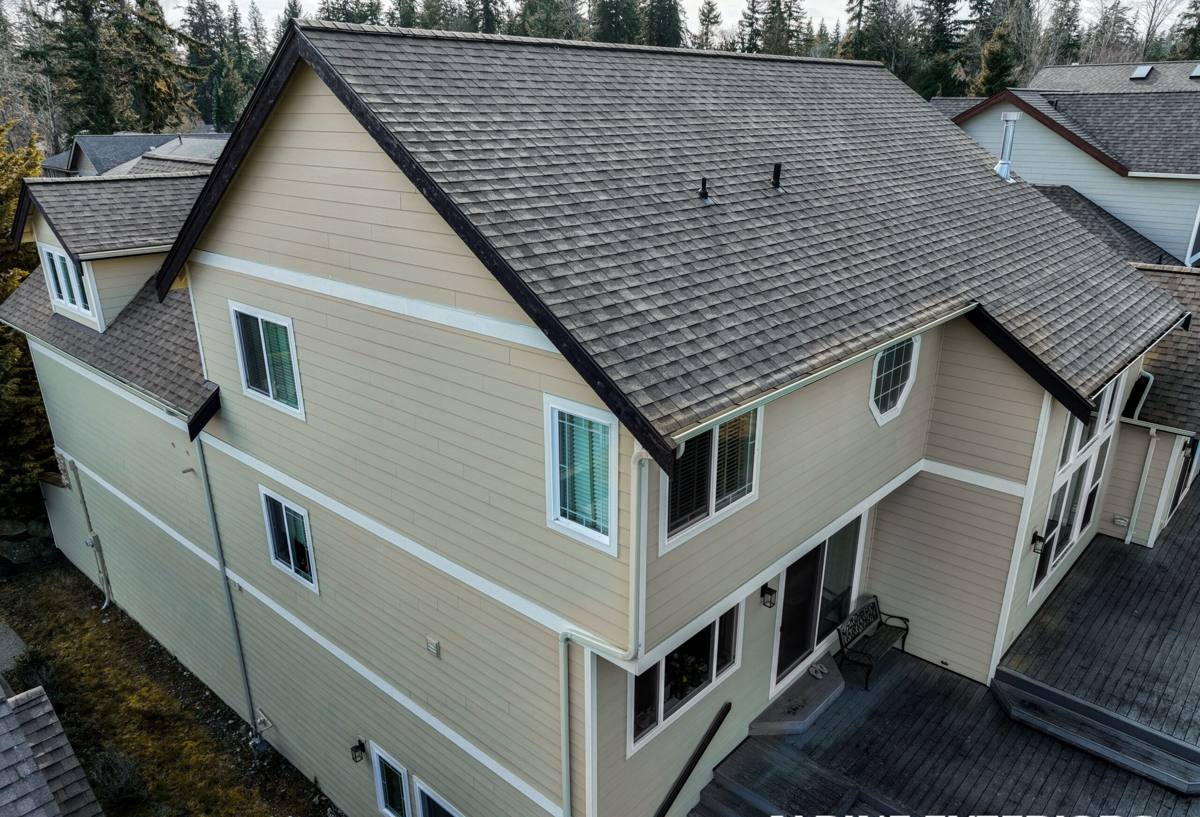
What Pasco County Weather Does to Windows
Heat and UV
Central Florida sun is hard on window components long before glass ever cracks. Vinyl frames can soften, warp, or discolor under years of direct UV exposure. Seals and weatherstripping dry out and lose their flex, which is usually the first thing that lets air and moisture start sneaking past a window that still looks fine.
Wind-Driven Rain
Florida storms rarely fall straight down. Wind pushes rain sideways and up under trim, sills, and poorly sealed frames. A window that was never properly flashed can look watertight for years and then leak the first time a storm hits from the "wrong" direction at high wind speed.
Wind Load
Dade City isn't in the coastal High-Velocity Hurricane Zone, but it's still squarely inside Florida's wind-borne debris region for building code purposes. Windows here need to be installed to hold up under real wind pressure and, in a lot of cases, resist impact from debris — not just look good on a nice day.
Humidity and Moisture Cycling
Florida's swing between humid outdoor air and air-conditioned indoor air puts constant pressure on seals and frames. Windows that aren't installed with the right moisture barrier and flashing detail tend to trap condensation, which shows up later as fogged glass, soft trim, or mold at the sill — long after the installer is gone.
Signs a Dade City Home Needs New Windows
Most window problems don't announce themselves with a dramatic leak. They show up as small, easy-to-ignore signs first:
- Windows that are hard to open, close, or lock, or that have started to warp in the frame
- Visible daylight or a draft around the frame when the window is shut
- Fogging or a haze between panes on double-pane windows (a sign the seal has failed)
- Soft, discolored, or bubbling drywall, trim, or paint near the window
- A noticeable jump in cooling costs during the summer with no other explanation
- Frames that are chalky, cracked, or visibly sun-damaged
- Condensation building up on the inside of the glass regularly
- Noise from outside that seems louder than it should be for the window's age
Any one of these on its own might not mean much. Several at once, especially on windows over 15-20 years old, usually means the install or the unit itself has run its course.
What a Correct Window Installation Actually Involves
Window installation is one of those jobs that looks simple from the outside and isn't. The window itself is often not what fails first — the installation detail around it is. In this climate, three things matter more than anything printed on the box.
Flashing and the Moisture Barrier
Before a new window ever goes in, the rough opening needs proper flashing tape and a correctly lapped moisture barrier so that any water that gets past the window sheds outward and down, never behind the siding or into the wall cavity. This step is invisible once the job is done, which is exactly why it's the step that gets skipped by installers who are moving fast.
Anchoring and Fastening
Windows need to be fastened per the manufacturer's tested installation instructions and to the wind load the local code requires for this area — not just "screwed in until it feels solid." Shimming has to keep the frame square and true, because a racked frame is a frame that won't seal or operate correctly no matter how good the caulk job is.
Sealing, Not Just Caulking
A quality sealant bead on the exterior, correctly placed weep holes left clear (not caulked shut, which is a common mistake), and proper insulation around the frame on the interior side all work together. Skip any one of them and the window will eventually leak, sweat, or both.
Done right, none of this is visible when the job is finished. That's exactly the problem with judging a window install by looks alone — the parts that matter most are the parts you can't see once the trim goes back on.
Choosing the Right Window for a Dade City Home
There's no single "best" window for every house. The right choice depends on the home's exposure, the homeowner's budget, and how much long-term maintenance they want to take on. Here's how the common frame options actually compare for this climate:
| Frame Material | Heat/UV Performance | Maintenance | Typical Cost Position |
|---|---|---|---|
| Vinyl | Good; modern formulations resist fading and warping well | Low — no painting, won't rust | Most affordable |
| Aluminum | Strong and rigid, but conducts heat, which affects energy efficiency | Low, but can pit or corrode near salt air over time | Mid-range |
| Fiberglass | Excellent — very stable through heat cycling, minimal expansion | Low | Higher upfront cost |
| Wood/Wood-Clad | Handsome, but sensitive to heat and moisture cycling without diligent upkeep | Highest — regular sealing/painting needed | Higher upfront cost |
For most Dade City homes, we steer clients toward vinyl or fiberglass frames with impact-rated or laminated glass, because they hold up to this specific mix of heat, humidity, and wind without demanding ongoing maintenance most homeowners don't have time for. Wood-clad windows can still be the right call for a specific look or a historic home, but we're upfront that they come with a real maintenance commitment in this climate.
Glass Options Worth Understanding
Beyond the frame, the glass package matters just as much:
- Low-E glass — a thin coating that reflects heat while still letting in visible light, which helps with Florida cooling bills
- Laminated glass — an interlayer that holds the glass together on impact, commonly used to meet wind-borne debris requirements without storm shutters
- Impact-rated assemblies — frame and glass tested together as a unit for wind pressure and debris impact, not just glass rated on its own
- Insulated (double-pane) units — the sealed air or gas gap that improves both energy performance and sound dampening
Impact-Rated Windows and Local Code
Pasco County follows the Florida Building Code's wind-borne debris provisions for this region, which means new window installations and most full replacements need to either meet an impact rating or be paired with approved protection like shutters. A permit is typically required for window replacement, and the installed product needs a Notice of Acceptance (NOA) or similar approval on file for the wind zone the home sits in. We handle the permit and product documentation as part of the job — it's not something a homeowner should have to chase down after the fact.
Impact windows cost more upfront than standard units, but for a lot of Dade City homeowners they remove the need to put up and take down shutters or panels before every storm, which is worth factoring into the real cost comparison, not just the sticker price.
Our Installation Process
- On-site assessment — we look at existing window condition, framing, and any signs of past water intrusion before quoting anything
- Product selection — we walk through frame and glass options suited to the home's exposure and the homeowner's budget
- Permitting — we pull the required Pasco County permit and confirm the product's wind rating for the site
- Removal — old units come out carefully to protect the surrounding stucco, siding, or trim
- Flashing and prep — the rough opening gets inspected, repaired if needed, and properly flashed before the new window goes in
- Installation — the window is set square, shimmed, and fastened to spec, not just wedged into the opening
- Sealing and finish work — exterior sealant, interior insulation, and trim are completed and weep holes are confirmed clear
- Final walkthrough — every window is opened, closed, and checked with the homeowner before we call the job done
Why a Crew That Works Dade City Regularly Matters
Window installation problems in this area tend to repeat themselves for the same reasons: rushed flashing details, fasteners that don't meet the wind load for the site, or a glass package that was never actually rated for the wind zone it was sold into. A crew that works Pasco County regularly already knows which permit office to call, what the county inspector will look for, and how local homes are typically framed — which means fewer surprises mid-job and fewer callbacks after a storm.
It also means someone is still local and reachable if a question comes up two years after the install, not a crew that was passing through from out of the area for one project.
Get an Estimate
If your Dade City home has windows that are drafty, hard to operate, fogged, or just old enough that you're wondering how much longer they'll hold up, we're happy to take a look. Estimates are free, there's no pressure, and you'll get a straight answer about what your windows actually need — whether that's a full replacement or something less. The form below gets you started.