 Land O'Lakes Siding
 Custom Decks Built for Concord Station's Climate
Concord Station sits in one of Land O'Lakes' larger planned communities, and most of the homes here were built within the last two decades — which means a lot of original builder-grade patios and small decks are now due for an upgrade or a full replacement. A deck in this part of Pasco County isn't just an outdoor living project; it's an exterior structure that has to hold up to real Florida weather year-round. Intense UV breaks down finishes and plastics faster than most homeowners expect, sudden wind-driven rain finds every gap in a poorly built ledger connection, and when a tropical system pushes through, wind loads on an exposed deck structure are no joke. We build decks in Concord Station the same way we'd want one built on our own house: right the first time, with materials and fasteners chosen for this specific climate, not a national average.
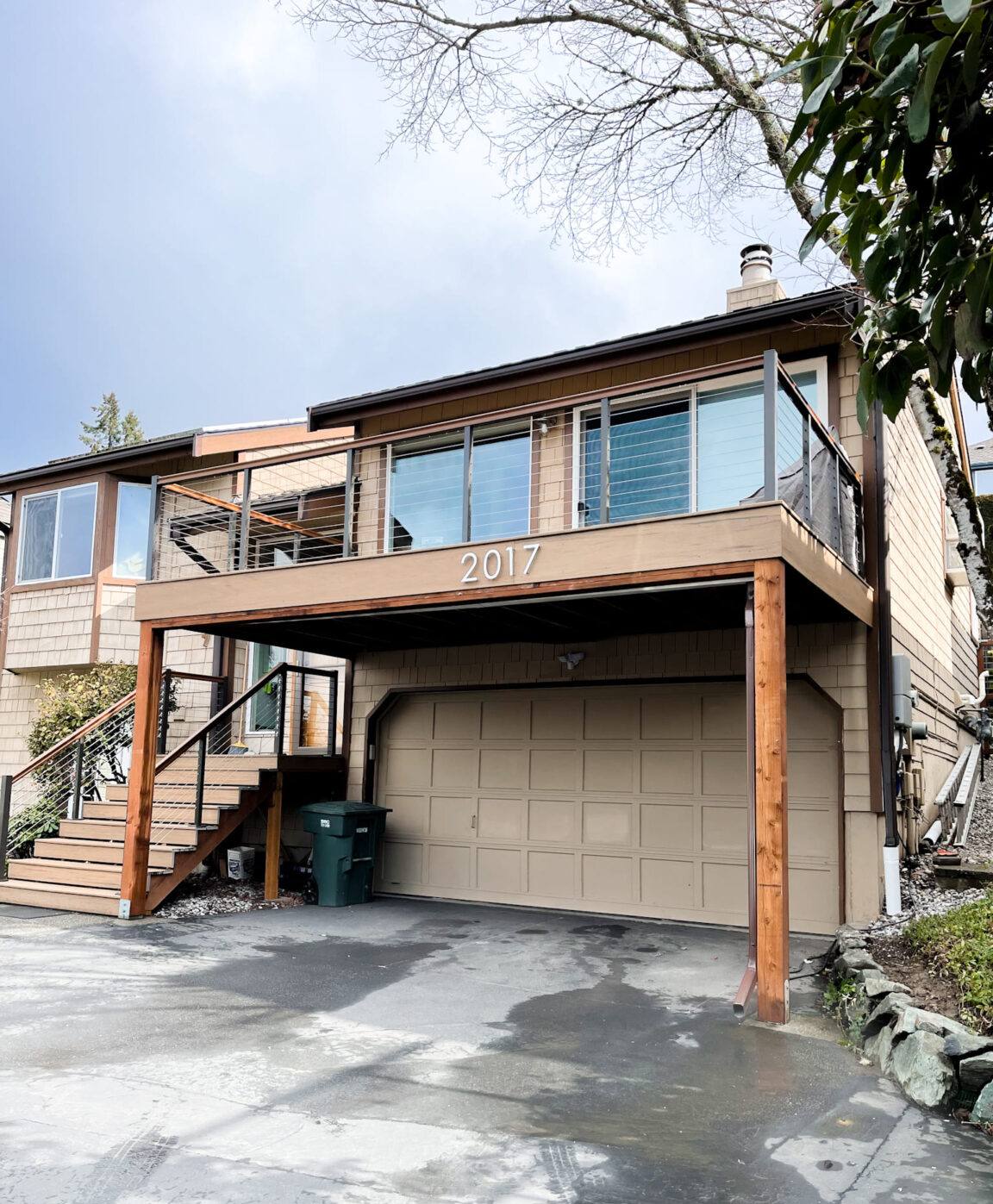
What Concord Station Homes Actually Need From a Deck
Every deck we build here has to answer to four things: sun, water, wind, and time. Skipping any one of them is how a five-year-old deck ends up needing a rebuild instead of a refinish.
UV exposure
Florida sun is relentless on exposed wood and lower-grade composites. UV breaks down surface fibers, fades color, and dries out natural wood oils faster than in most of the country. Material selection and finish matter more here than in a milder climate — a deck spec'd for the Midwest won't perform the same way in Land O'Lakes.
Wind-driven rain and moisture
It's rarely a straight-down rain here. Wind pushes water sideways and up under boards, into ledger connections, and around post bases. Decking, fasteners, and framing all need to handle repeated wetting and drying cycles without trapping moisture against wood or masonry.
Hurricane-force wind loads
An open deck structure catches wind differently than a solid wall, but attached railings, pergolas, and any roofed or screened deck sections all add wind load that has to be engineered into the connections — not guessed at. Ledger boards, post-to-beam connections, and railing posts are common failure points when a deck wasn't built with local wind requirements in mind.
Salt-influenced air
Land O'Lakes isn't beachfront, but Gulf-driven storm systems and onshore weather patterns carry salt-laden air well inland across Pasco County. It's a slower corrosive effect than you'd see right on the coast, but it still shortens the life of cheap fasteners and untreated metal hardware over the years.
Choosing the Right Decking Material
There's no single "best" decking material — there's a best fit for your budget, your maintenance tolerance, and how the deck will be used. Here's how the common options actually compare for a Concord Station backyard.
| Material | Upfront Cost | Maintenance | UV/Fade Resistance | Moisture Behavior |
|---|---|---|---|---|
| Pressure-treated pine | Lowest | Sealing/staining every 1-2 years | Fades and grays without upkeep | Can cup, warp, or splinter if not sealed |
| Tropical hardwood (e.g., ipe-style) | High | Periodic oiling to hold color | Naturally dense, resists UV degradation well | Excellent, but requires correct fastening |
| Capped composite | Mid-High | Occasional washing, no sealing/staining | Strong — capped boards resist fading | Won't rot, handles wet-dry cycles well |
| PVC decking | Highest | Very low — soap and water | Very strong, engineered for sun exposure | Fully moisture-resistant, no wood movement |
We steer most Concord Station clients away from uncapped, budget composite boards specifically because of how our sun and humidity combination treats them — surface fading and moisture wicking at cut edges tend to show up faster here than the marketing suggests. That's a maintenance and warranty trade-off worth understanding before you buy, not a claim about any one brand being bad — it's just what we've found performs best in this climate over the long run.
Framing and Fasteners: The Part You Don't See
A deck's surface material gets all the attention, but the framing underneath is what actually determines whether it survives a Florida storm season. In Pasco County, that means:
- Ledger boards properly flashed and lag-bolted (or through-bolted) into the home's structure — never just nailed
- Hot-dip galvanized or stainless structural hardware, since standard coated fasteners corrode faster in our humidity and salt-influenced air
- Joist hangers and post bases rated for the framing lumber size and spacing used
- Footings sized and set to local frost-free depth requirements and soil conditions, not just poured to "look deep enough"
- Post-to-beam connections engineered for wind uplift, not just gravity load
This is also where permitting comes in. Pasco County requires permits for most new decks and many deck replacements, with plan review that checks footing size, structural connections, and railing height/spacing against current code. Skipping that step might save time up front, but it becomes a real problem at resale or insurance renewal if the structure was never inspected.
Our Custom Deck Process
We keep the process straightforward because most homeowners just want to know what's happening and when.
1. On-site design conversation
We walk the yard with you, talk through how you'll actually use the space — entertaining, grilling, a quiet morning coffee spot, pool access — and look at sun exposure, drainage, and how the deck will tie into the house.
2. Material and layout selection
We go over decking material, railing style, and any add-ons like built-in seating, multi-level layouts, or a partial roof/pergola, along with honest cost and maintenance trade-offs for each.
3. Permitting and engineering
We handle the Pasco County permit submission and any required structural details so the deck is inspected and on record — not an unpermitted addition that causes headaches later.
4. Construction
Footings, framing, decking, and railing, built in that order with each stage checked before moving to the next. We don't rush ledger and footing work — it's the part that determines how the deck holds up in a storm.
5. Final walkthrough
We walk the finished deck with you, cover basic care for whatever material you chose, and make sure everything meets what was agreed on before we call it done.
Sizing, Shape, and Features Worth Considering
Concord Station lots vary in size and layout, so deck footprints here run the gamut from a modest rear platform to larger multi-level layouts that wrap around a pool cage or connect to a screened lanai. A few things worth thinking through before you finalize a design:
- How much shade you want — a partial roof or pergola can make a Florida deck usable in the middle of a summer afternoon instead of just mornings and evenings
- Whether the deck will connect to an existing or future screen enclosure, which changes framing and flashing details
- Built-in bench seating or planters, which add usable space without expanding the footprint
- Railing style — cable, aluminum, or composite balusters all perform differently in sun and salt-influenced air over time
- Multi-level layouts for sloped yards, which need extra attention to footing depth and stair code compliance
Maintenance That Actually Matters Here
Every decking material needs some upkeep in this climate — the difference is how much and how often. A simple seasonal checklist goes a long way toward protecting the investment:
- Rinse off pollen, dust, and organic buildup every few months — it holds moisture against the surface
- Check railing posts and stair connections for looseness after major storms
- Inspect fastener heads for rust staining, especially on wood decks near the one-year mark
- Reseal or restain wood decking on the schedule the material actually needs — don't wait for visible graying
- Keep gutters and downspouts clear so runoff isn't dumping extra water onto or under the deck
- Clear debris from between boards where moisture and organic material can collect
Why Hiring a Crew That Already Works Concord Station Matters
A deck built by a crew unfamiliar with this specific area is still guessing at things a local crew already knows — how Pasco County's permitting office reviews deck submittals, what soil and drainage conditions look like in this part of Land O'Lakes, and how Concord Station's community guidelines typically handle exterior structure approvals. That familiarity shows up in fewer surprises during the permit process and a build that's designed with this climate in mind from the first sketch, not adjusted after the fact. It also means we're not disappearing after the last board is nailed down — we're a phone call away if a connection needs a look after a big storm season.
If you're weighing a new deck or a replacement for an aging one in Concord Station, we're happy to walk the yard, talk through honest material options for your budget, and give you a straightforward, no-pressure estimate. There's a form below — reach out and we'll get you scheduled.