 Land O'Lakes Siding
 Roof Repair Built for Concord Station's Weather
Concord Station is one of the larger residential communities in Land O'Lakes, and like every neighborhood in this part of Pasco County, its roofs take a real beating year after year. Between the intense Florida sun, sudden downpours, and the threat of hurricane-force winds during storm season, a roof here ages differently than one up north. Most of the time, a roof problem in Concord Station doesn't mean the whole roof is shot — it means a section of it failed and needs to be fixed correctly before that failure spreads. This page covers what roof repair actually involves for homes in this specific area, what we look for, and how we handle it.
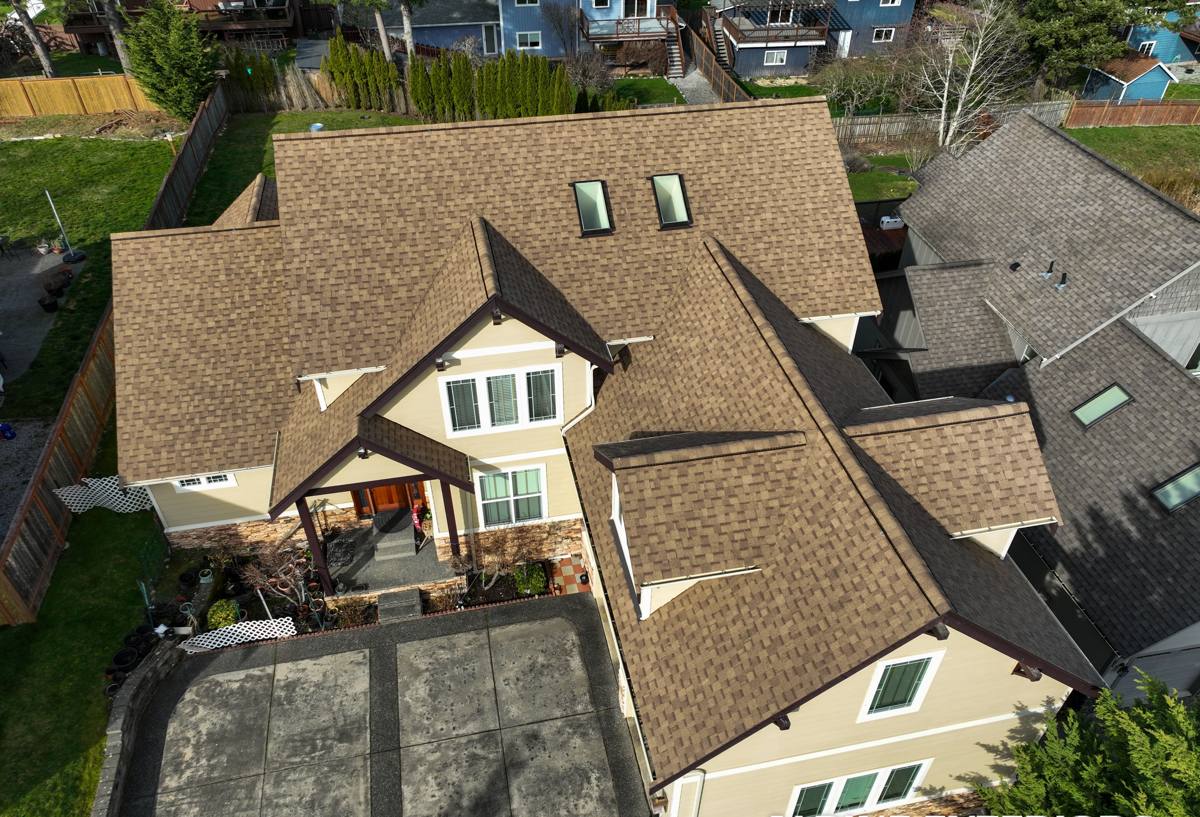
What Pasco County's Climate Does to a Roof
It helps to understand what's actually working against your roof before you decide how to fix it. Land O'Lakes doesn't get a break from the elements — the climate here stresses every part of a roofing system, from the surface material down to the deck underneath it.
Year-Round UV and Heat
Florida sun is relentless almost twelve months a year. Constant UV exposure dries out asphalt shingles, making them brittle and prone to cracking or granule loss well before their rated lifespan. On tile roofs, the underlayment beneath the tiles — not the tiles themselves — is usually what fails first from heat cycling, since it bakes under the tile all day and cools at night.
Wind-Driven Rain
Florida storms rarely fall straight down. Wind-driven rain gets pushed sideways and upward into laps, seams, and flashing that were never designed to handle water moving in that direction. This is how a roof can look fine from the ground and still be leaking at a valley, a wall flashing, or a vent boot.
Hurricane-Force Wind Gusts
Even when a named storm doesn't make a direct hit, Land O'Lakes still sees strong gusts multiple times a year. Wind works on the edges and corners of a roof first — lifting shingle tabs, working tile loose, and stressing ridge caps — long before it does obvious damage in the middle of a roof plane.
Salt Air and Humidity
Land O'Lakes sits inland from the Gulf, but salt-laden air still travels with prevailing winds and storm systems, especially during the wetter months. Combined with Florida's humidity, that moisture accelerates corrosion on exposed metal — nail heads, flashing, and fasteners — which is a common, overlooked cause of small leaks turning into repeat repairs.
Signs Your Concord Station Roof Needs Repair
Most roof damage doesn't announce itself with a dramatic leak. It shows up as small, easy-to-miss signs first. If you notice any of the following, it's worth having it looked at before the next heavy rain or storm system moves through.
- Water stains or discoloration on interior ceilings, especially near exterior walls or where two roof planes meet
- Missing, cracked, or curling shingles, or tiles that look shifted, cracked, or slipped out of line
- Granules collecting in gutters or at the base of downspouts
- Soft or spongy spots when walking the roof, which can indicate a compromised deck underneath
- Visible daylight through the attic at roof boards, vents, or ridge lines
- Rusted, lifted, or separated flashing around chimneys, skylights, or roof-to-wall transitions
- A musty smell in the attic or upper floors, which often points to trapped moisture
- Higher-than-usual cooling bills, which can mean attic ventilation or insulation is compromised by a roof issue
- Debris or granule buildup right after a storm with strong wind gusts
Common Roof Repair Issues We See in Concord Station
The right repair approach depends heavily on what kind of roof you have. Concord Station has a mix of roofing types, and each one fails differently.
Asphalt Shingle Roofs
Shingle roofs are the most common repair call in the area. Typical issues include wind-lifted or torn tabs, nail pops working their way back to the surface, cracked shingles from sun exposure, and leaks at valleys or penetrations like plumbing vents and roof-mounted equipment. Shingle repair is usually the most straightforward type to blend in, but only when it's matched and installed correctly.
Concrete and Clay Tile Roofs
Tile roofs are durable on the surface, but the underlayment beneath the tile is the part that actually keeps water out — the tiles are essentially a wear layer and a rain screen. A tile roof leak almost always means the underlayment has failed or been punctured somewhere, not that the tile itself broke. Repairing tile correctly means removing and resetting tile carefully so it doesn't crack, then addressing the underlayment underneath, not just caulking over the surface.
Flat and Low-Slope Sections
Many homes in this area have a flat or low-slope section over a lanai, porch, or addition. These sections rely on membrane or built-up roofing systems that handle water very differently than a sloped shingle or tile roof, and they're more sensitive to ponding water and seam failure. These sections often get overlooked during a general roof inspection but are a frequent source of leaks.
What a Correct Roof Repair Actually Involves
Not all roof repairs are equal, even when two jobs look similar from the ground. A repair that's done right addresses the actual source of the problem, not just the spot where water is showing up inside the house.
Diagnosing the Real Problem, Not Just the Symptom
Water travels. A stain on your ceiling in one room can trace back to a failure point several feet away, higher up the roof plane. A proper repair starts with tracing the leak to its actual source — checking flashing, penetrations, valleys, and the surrounding field of the roof — rather than patching the first thing that looks damaged.
Matching Materials the Right Way
A repair should match the existing roofing material in type, profile, and as close to color as reasonably available, so the patched section blends in rather than standing out as an obvious repair. This matters for shingles and even more for tile, where profile and color runs can vary between manufacturers and even between production batches.
Flashing, Underlayment, and the Parts You Don't See
The materials you can see — shingles or tile — get most of the attention, but flashing and underlayment are what actually keep water out. A repair that replaces surface material without addressing damaged flashing or torn underlayment underneath it is a repair that's likely to leak again.
Cleanup and Documentation
A repair job should leave your property free of loose nails, old material, and debris — including a magnetic sweep of the ground near the work area. You should also get a clear explanation of what was found and what was repaired, in writing, especially if you may need it for an insurance claim.
Our Roof Repair Process in Concord Station
Here's how a typical repair project moves from first call to finished work:
- Inspection. We walk the roof (or use appropriate equipment when walking it isn't safe) and inspect the attic from the inside where accessible, to trace the leak or damage to its actual source.
- Written estimate. You get a clear explanation of what we found, what needs to be done, and an honest estimate before any work starts — no pressure, no surprise add-ons.
- Scheduling around weather. Florida repair work has to work around rain and wind. We schedule to give ourselves a realistic window to complete the repair without leaving your roof exposed mid-job.
- The repair itself. We remove and replace only the damaged material, address the underlying flashing or underlayment, and reinstall to match the surrounding roof as closely as possible.
- Final walkthrough. We show you the completed work, explain what was done, and answer any questions before we consider the job finished.
Repair or Replace? How We Help You Decide
Not every roof problem calls for a full replacement, but sometimes repair is genuinely the wrong call — throwing money at a roof that's past the point of reasonable repair. Here's how we generally think about that decision.
| Factor | Repair usually makes sense | Replacement usually makes sense |
|---|---|---|
| Roof age | Roof is well within its expected service life | Roof is at or beyond the manufacturer's expected lifespan |
| Damage extent | Damage is isolated to one area or a few penetrations | Damage is spread across multiple roof planes |
| Repair history | This is a first or infrequent repair | You've needed repeat repairs in the same general areas |
| Underlayment/deck condition | Underlayment and deck are sound outside the repair area | Underlayment is widely degraded or deck shows rot in multiple spots |
| Material availability | Matching material is reasonably available | Material is discontinued or badly mismatched |
If we ever inspect a roof and find that repair isn't a responsible long-term recommendation, we'll tell you that directly and explain why, instead of patching something that's going to fail again in a year.
What Affects the Cost of a Roof Repair
Every roof repair is different, but a few factors consistently drive the cost up or down. We won't quote a number without seeing the roof, but this table gives you a realistic sense of what moves the price.
| Repair scope | What's typically involved | General price range |
|---|---|---|
| Minor repair | A few shingles or tiles, a single flashing point, or a small vent boot leak | Roughly $300–$800 |
| Moderate repair | A larger section of damaged shingles/tile, valley work, or multiple flashing points | Roughly $800–$2,500 |
| Major repair | Deck repair, extensive underlayment replacement, or storm damage across a large area | Roughly $2,500 and up |
Steep roof pitch, roof height, tile versus shingle labor, and access difficulty (like a roof section over a lanai or tight side yard) can also push a repair toward the higher end of any given range. We'll walk you through exactly what's driving your estimate before you agree to anything.
Why Hiring a Crew That Already Works in Concord Station Matters
Roof repair isn't just a technical skill — it's a local one. A crew that regularly works in Land O'Lakes and Pasco County understands a few things that matter to how your repair actually holds up:
- Local building code and permitting. Pasco County has its own permitting requirements for certain roof work, and knowing when a permit applies avoids delays or problems down the line.
- HOA expectations. Many communities in Land O'Lakes, including planned developments like Concord Station, have HOA guidelines around roofing material, color, and appearance. A crew familiar with the area knows to check this before ordering material.
- Storm response reality. When a strong storm moves through Pasco County, everyone needs a roofer at once. A local crew that already knows your neighborhood can respond faster and prioritize real damage over guesswork.
- Material sourcing. Knowing which shingle and tile profiles are common on homes in this area makes it easier to source a close match instead of a mismatched patch.
A roof repair done by someone unfamiliar with the area might still fix the immediate leak, but it's more likely to miss the local context that keeps a repair from becoming a recurring problem — the kind of thing that only becomes obvious after the next big storm rolls through.
If you're dealing with a leak, storm damage, or just want a straight answer on the condition of your roof, we're happy to take a look. Fill out the form below for a free, no-pressure estimate — we'll tell you honestly whether you need a repair, and what that repair should actually involve.