 Land O'Lakes Siding
 Window Replacement Built for Citrus Park's Weather, Not Just Any Weather
Citrus Park sits close enough to the coast, and close enough to Land O'Lakes, that its homes take on the same weather punishment as the rest of the greater Tampa Bay area — but the neighborhood's mix of older ranch-style construction and newer infill homes means window condition varies block to block. A window that's "fine" on a shaded, newer build a few streets over might be failing on an original-build home with decades of Florida sun on the same frames. We don't sell a one-size-fits-all window package here. We look at the specific house, the specific exposure, and what that window opening actually needs to survive the next storm season.
This page covers window replacement specifically — not siding, not roofing — and specifically for Citrus Park homes. If you're trying to figure out whether your windows need replacing, what a correct installation actually involves, and why it matters who does the work, this is written for you.
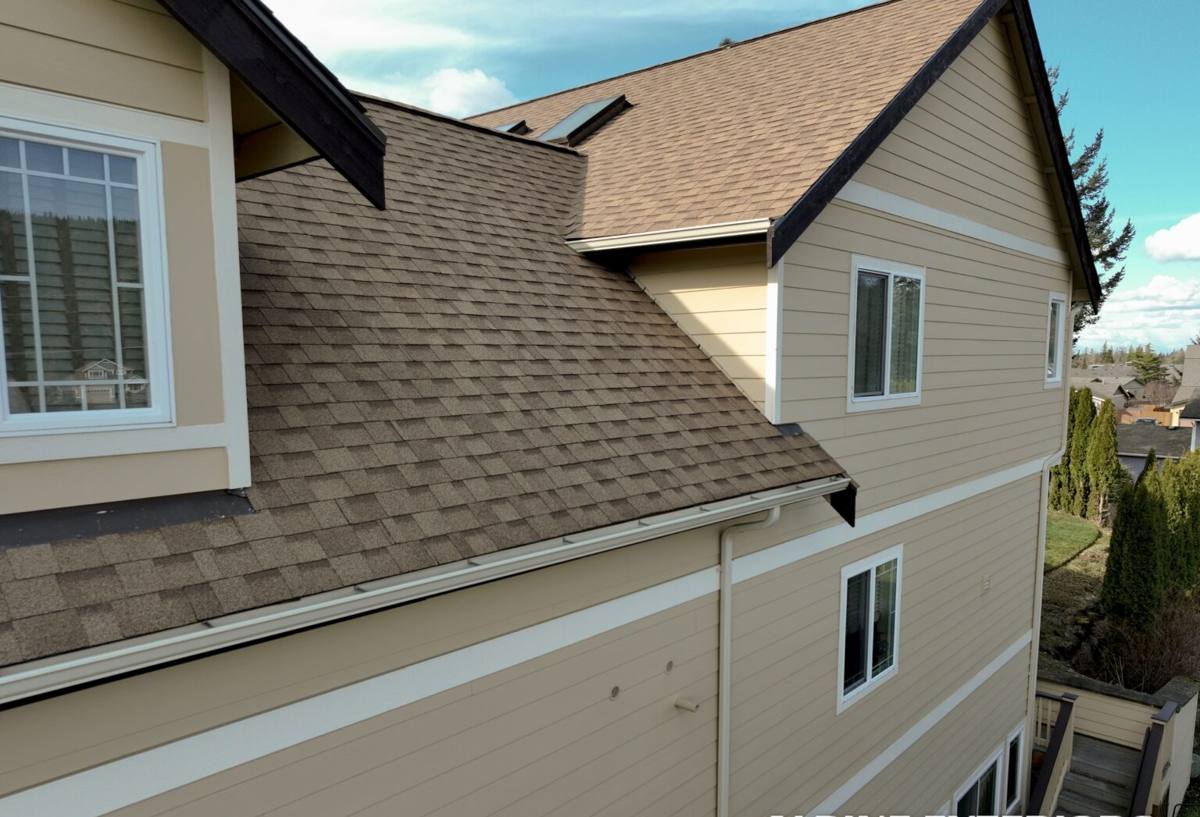
What Florida Weather Actually Does to Old Windows
It's easy to think of window failure as just "the seal wore out." In West Central Florida, it's usually several things working on a window at once.
Hurricane-Force Wind and Wind-Borne Debris
Even a well-built window can fail under sustained hurricane winds or a debris impact if the frame, glass, or fastening wasn't rated for it. Pressure changes during a storm push and pull on window assemblies from both sides, and older aluminum or single-pane windows were often never engineered for the wind loads this region now sees.
Intense, Year-Round UV Exposure
Florida's sun isn't seasonal — it's a daily load on vinyl frames, weatherstripping, and glazing seals twelve months a year. UV breaks down plastics and rubber components faster than almost anywhere else in the country, which is why frames that would last decades up north can go brittle, chalky, or warped here in half that time.
Wind-Driven Rain
Rain that falls straight down is rarely the problem. Rain that gets driven sideways into a wall during a squall or tropical system is what finds every weak point in a window's flashing and sealant. Once water gets behind a frame, it doesn't dry out on its own — it sits against wood sheathing or drywall and causes damage you won't see until it's already spread.
Salt Air Corrosion
You don't have to be beachfront to feel salt air's effects. Moist, salt-laden air moves inland across the Tampa Bay region and slowly corrodes exposed metal hardware — hinges, locks, balance mechanisms, and screws — long before most homeowners think to check them.
None of these factors act alone. A window with UV-brittled weatherstripping is far more likely to let wind-driven rain through, and corroded hardware makes a frame more vulnerable in high wind. Replacement done right accounts for all four at once, not just the one that's currently annoying you.
Signs It's Time to Replace, Not Repair
Not every window problem means full replacement — sometimes a reseal or hardware fix buys you real years. But certain signs point to the frame and glass assembly itself being past the point of a reliable repair.
- Fogging or a permanent haze between double-pane glass (the seal has failed and can't be restored)
- Visible daylight or a draft around a closed frame
- Frames that are soft, warped, or chalky to the touch
- Windows that are difficult to open, close, or lock without force
- Water staining or soft drywall on the wall or sill beneath a window
- Rising cooling bills with no other obvious cause
- Visible rust or pitting on hardware, tracks, or fasteners
- Single-pane or non-impact-rated glass in a home that's never had storm protection upgraded
If you're seeing two or more of these on the same window, replacement is almost always the more cost-effective path over the next repair cycle.
What a Correct Window Replacement Job Involves
The window unit itself only accounts for part of how well a replacement performs. The install is where most long-term failures actually start.
Removal and Opening Prep
The old unit comes out down to the rough opening, and that opening gets inspected — not just eyeballed — for rot, soft wood, or prior water damage before anything new goes in. Installing a new window into a compromised opening just hides a problem that will resurface.
Flashing and Waterproofing
This is the step that determines whether wind-driven rain stays out for the next twenty years or finds its way in during the first serious storm. Proper flashing integrates with the home's existing weather-resistive barrier so water is directed out and down, never trapped behind the frame.
Frame and Glass Selection for Wind Load
The replacement unit needs to match what the opening and the home's wind exposure actually require — not just whatever's on the showroom floor. That means confirming the correct design pressure rating and, where called for, impact-rated glass or an approved shutter system.
Fastening and Sealing
Fasteners, spacing, and sealant all have to meet the window manufacturer's installation instructions and current Florida Building Code requirements — this is what the unit's structural rating actually depends on. A great window installed with the wrong fastening pattern performs like a mediocre one.
Choosing the Right Window Frame for a Citrus Park Home
Frame material matters as much as glass in this climate, because the frame is what's absorbing the UV and humidity cycle every single day. Here's how the common options actually compare for a Tampa Bay-area home:
| Frame Material | UV / Heat Resistance | Salt Air Resistance | Maintenance |
|---|---|---|---|
| Vinyl | Good with UV-stabilized formulations; lower-grade vinyl can warp over time | Very good — no metal to corrode | Low; occasional cleaning |
| Fiberglass | Excellent — dimensionally stable in heat | Excellent | Low |
| Aluminum | Good structurally, but conducts heat and can pit over years of salt exposure | Fair; needs quality coating and hardware upkeep | Moderate |
| Wood (clad) | Good if properly clad; exposed wood struggles in humidity | Fair to poor if not fully clad | Higher |
We don't push one material on every job. A shaded, low-exposure window and a west-facing wall that takes full afternoon sun and storm-driven rain can call for different answers, even on the same house.
Permits, Wind Load, and Florida Building Code Basics
Pasco County isn't part of Florida's official High-Velocity Hurricane Zone — that designation applies to Miami-Dade and Broward — but homes here are still governed by Florida Building Code wind-load provisions, and window replacements typically require a permit through the local building department. The exact wind pressure and impact requirements for a given home depend on factors like distance from the coast, building height, and the home's specific wind exposure category.
What that means practically: the window you're allowed to install isn't just a style choice, it's an engineering one. A contractor pulling the correct permit and installing to the rating your address actually requires is protecting you from problems that show up later — during a wind event, or during a home sale when a buyer's inspector or insurer asks questions about unpermitted work.
Our Process, Start to Finish
1. On-Site Estimate and Measurement
We walk the home, measure every opening individually, and talk through what each window's exposure and condition actually calls for. This is also when we go over honest cost ranges and answer questions — no pressure, no scripted pitch.
2. Ordering and Lead Time
Impact-rated and custom-sized windows are manufactured to order, so lead times vary by product and season. We give you a realistic timeline up front instead of a number designed just to get the job booked.
3. Installation Day
Old units come out, openings get inspected and prepped, new units go in with correct flashing, fastening, and sealing, and the work area is protected and cleaned as we go — not just at the end.
4. Final Walkthrough and Cleanup
Every window gets tested for smooth operation and a tight seal before we consider the job done, and we walk the site with you so nothing gets left behind.
A Quick Homeowner Checklist Before You Call Anyone
- Note which windows are giving you trouble, and whether it's draft, fog, sticking, or water intrusion
- Check whether any window openings show soft wood, staining, or bubbling paint nearby
- Ask any contractor you're considering for their license number and proof of insurance up front
- Ask specifically whether they'll pull a permit for the work — if the answer is vague, treat that as a red flag
- Get the wind/impact rating in writing, not just a verbal assurance
Why Hiring a Crew That Already Works Citrus Park Matters
A contractor who regularly works Citrus Park and the surrounding Land O'Lakes area already understands the mix of building ages and exposures common to this part of Pasco County, knows what the local permitting process actually requires, and can respond quickly if a storm damages a window before the season is even over. That familiarity translates into fewer surprises during the estimate, a permit process that doesn't stall the job, and an installation that's matched to what homes here genuinely need — not a generic national playbook.
It also means accountability. A crew that's planning to keep working in your neighborhood for years has every reason to get the flashing, the fastening, and the follow-up right the first time.
Get a Free, No-Pressure Estimate
If your Citrus Park home has windows that are drafty, foggy, hard to operate, or simply due for an upgrade before the next storm season, we're happy to take a look and give you a straight answer — no pressure, no obligation. Use the form below to request a free estimate.