 Land O'Lakes Siding
 Composite Decking Built for the Citrus Park Climate
A deck in Citrus Park works harder than most homeowners realize. Between the intense Florida sun beating down for most of the year, sudden downpours that come in sideways during summer storms, and the occasional brush with hurricane-force wind, an outdoor living space here takes a real beating. Composite decking has become the go-to choice for homeowners in this part of the Land O'Lakes area precisely because it's built to handle that punishment without the constant upkeep that wood demands.
This page focuses specifically on composite decking for Citrus Park properties — what the local climate demands from the material, what a correctly built deck actually involves, and how we approach the job from first visit to final walkthrough.
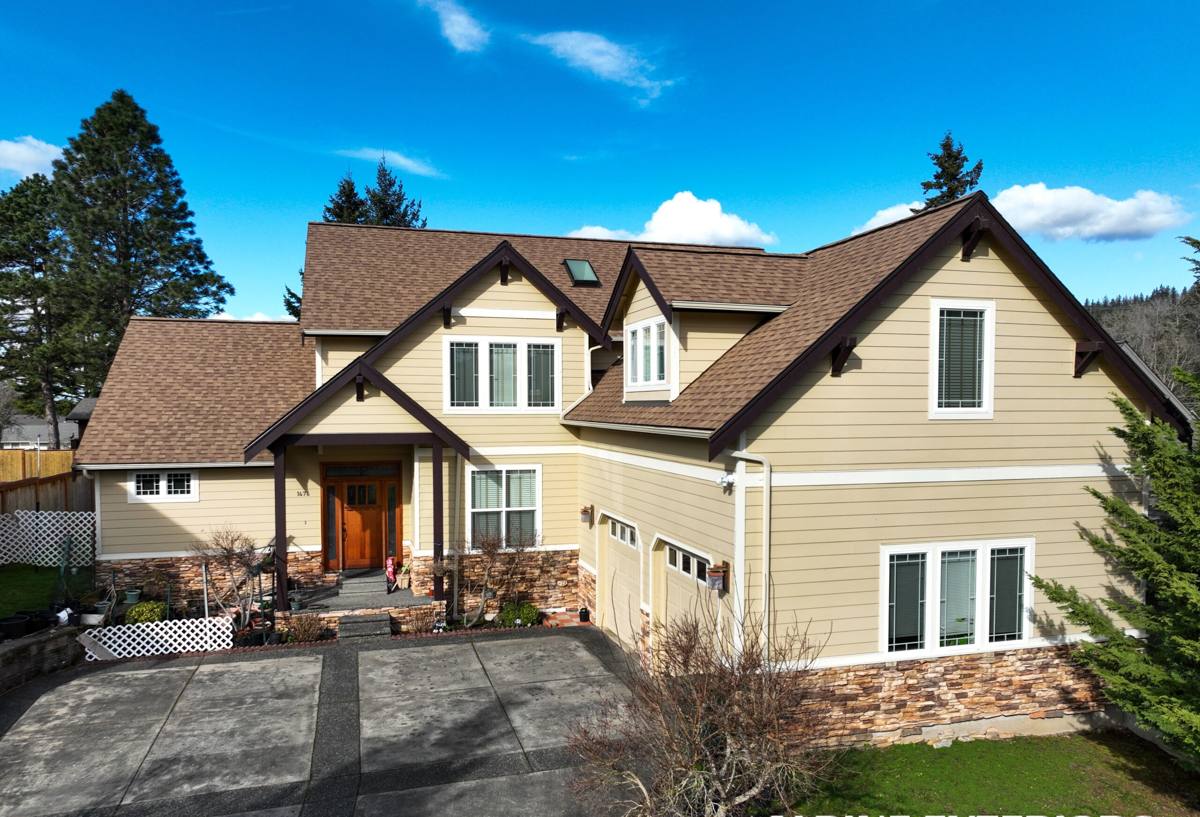
What Citrus Park Homes Actually Need From a Deck
Citrus Park sits close enough to Land O'Lakes that homes here share the same weather patterns, and that weather is not gentle on outdoor structures. A few things drive nearly every decision we make on a composite deck build in this area:
Year-Round UV Exposure
Florida sun is stronger and more consistent than most of the country deals with, and it doesn't take a break in winter. Cheaper composite boards without adequate UV inhibitors will fade, chalk, or go brittle years before they should. The cap layer on the boards we install is engineered specifically to resist that kind of sun damage.
Wind-Driven Rain and Humidity
Afternoon storms in this part of Florida don't just fall straight down — wind pushes rain into every gap, seam, and fastener hole. Combined with the region's humidity, that moisture has to have somewhere to go. A deck that traps water against framing or beneath poorly spaced boards is a deck that develops problems underneath, even if the surface looks fine.
Hurricane-Force Wind Loads
Composite boards themselves aren't usually the failure point in a storm — the framing, ledger connection, and fasteners are. A deck that's only "screwed together" rather than properly engineered for uplift and lateral load is a liability once tropical-storm-strength wind gets under it.
Salt Air Influence
Citrus Park isn't oceanfront, but this part of the Tampa Bay region still carries salt-laden air on onshore breezes. Over years, that air accelerates corrosion on lower-grade fasteners and hardware, which is why fastener selection matters as much as the decking material itself.
Composite vs. Other Decking Materials
Homeowners in Citrus Park usually compare composite against pressure-treated wood and PVC before deciding. Here's how they actually stack up under this region's conditions:
| Material | Sun & Heat Behavior | Moisture Behavior | Maintenance |
|---|---|---|---|
| Pressure-Treated Wood | Fades, checks, and splinters under sustained UV | Absorbs water, prone to warping and rot at fasteners | Annual sealing/staining required |
| Composite | UV-stable cap resists fading and surface breakdown | Moisture-resistant core, doesn't rot or splinter | Periodic washing, no sealing or staining |
| PVC/Cellular PVC | Very UV-stable, can run hotter underfoot in direct sun | Fully moisture-resistant | Low, but limited color/wood-grain range |
We install composite as our standard recommendation for most Citrus Park backyards because it strikes the best balance of durability, appearance, and cost for this climate. Wood requires a maintenance commitment most homeowners underestimate until they're three summers in, and while PVC has its place, composite generally delivers a closer wood look with fewer trade-offs for a typical outdoor living space.
What a Correct Composite Deck Installation Involves
The boards get the attention because they're what you see, but most composite deck failures we get called to inspect trace back to the structure underneath, not the decking itself.
Framing and Ledger Attachment
The ledger board — where the deck ties into the house — has to be flashed and fastened correctly to keep water out of the rim joist and to hold up under wind uplift. This is the single most common shortcut on poorly built decks, and it's the one that causes the most damage over time.
Joist Spacing and Fastener Choice
Composite manufacturers specify joist spacing tighter than what's typical for wood decking, and that spec exists for a reason — wider spacing lets boards flex and sag over time, especially in Florida heat. We use corrosion-resistant, manufacturer-approved fasteners and hidden fastening systems suited to the humidity and salt-air exposure common around Citrus Park.
Drainage and Airflow Underneath
Proper board gapping and ventilation beneath the deck keep wind-driven rain from pooling against the substructure. We also grade and finish under-deck areas so water has somewhere to go instead of sitting against framing connectors.
Railing and Structural Connections
Railings and posts need to be through-bolted into framing rated for the loads involved, not just toe-screwed into a rim joist. This matters more here than in calmer climates, given the wind events this area sees.
Our Process for Citrus Park Composite Deck Projects
- On-site assessment — we look at your existing structure (if replacing a deck), grade, sun exposure, and how you actually plan to use the space.
- Material and layout selection — we walk through composite board options, colors, and railing systems suited to your home and budget.
- Permitting — decking work typically requires a permit and inspection; we handle that process rather than leaving it to the homeowner.
- Structural build-out — framing, ledger attachment, and joist work done to code and to manufacturer specification, not just "close enough."
- Decking installation — boards, hidden fasteners, picture-framing or border details if selected, and railing installation.
- Final walkthrough — we go over the finished deck with you, including basic care, before considering the job done.
Choosing a Contractor for Composite Decking Here
Composite decking is a forgiving product to sell and an unforgiving product to install badly. Because the boards themselves resist rot and fading, poor framing or fastening choices can hide for a couple of years before problems show up — by which point it's a structural repair, not a warranty claim on the decking. A few things worth checking before you hire anyone for a deck build in this area:
- Ask whether they pull permits and schedule the required inspections — decks are structural work, not a weekend add-on
- Confirm they follow the specific composite manufacturer's joist spacing and fastening requirements, not generic wood-deck spacing
- Ask how they handle ledger board flashing where the deck meets the house
- Ask about fastener and hardware grade given the area's humidity and salt-air exposure
- Get a clear answer on manufacturer warranty coverage and what voids it
- Ask if they've built decks elsewhere in Land O'Lakes or Citrus Park recently, and what issues they watch for in this specific climate
Maintenance: What Composite Actually Requires Here
One of the main reasons homeowners choose composite in this climate is how little upkeep it needs compared to wood. That said, "low maintenance" isn't "no maintenance":
Periodic washing removes pollen, mildew film, and organic debris that Florida's humidity encourages on any outdoor surface. Keeping planters, grills, and furniture feet from trapping moisture against the boards helps prevent surface staining. And an annual look at railing connections and fasteners — especially after a rough storm season — catches small hardware issues before they become bigger ones. None of this compares to the sanding, sealing, and staining cycle wood decking demands in this climate.
What Composite Decking Costs Depend On
Every deck is different, but the same handful of factors drive the price on nearly every composite deck project we quote in this area:
| Factor | Why It Matters |
|---|---|
| Deck size and shape | Square footage and complexity (curves, multiple levels) drive material and labor |
| Height off grade | Taller decks need more substantial framing, railings, and often stairs |
| Board tier and color | Composite lines range from entry-level to premium capped boards |
| Railing system | Composite, aluminum, and cable railing all price differently |
| Site access and existing structure | Demo of an old deck or difficult site access adds labor time |
We can give general ranges in a conversation, but an accurate number requires seeing the site — anyone quoting a firm price over the phone without that is guessing.
Why Local Experience in This Area Matters
A crew that regularly works in Land O'Lakes and the surrounding Citrus Park area already knows the permitting expectations, the soil and drainage quirks common to the region, and how this climate actually treats a deck over five or ten years — not just on install day. That local familiarity shows up in decisions you might not notice at handoff: how footings are set, how much slope is built into the substructure for drainage, which hardware grade gets specified. Those are the details that separate a deck that still looks and performs well after a few Florida summers from one that starts showing problems early.
If you're considering a composite deck for your Citrus Park or Land O'Lakes property, we're happy to take a look and talk through honest options for your space. Use the form below to request a free, no-pressure estimate.