 Land O'Lakes Siding
 Board & Batten Is Everywhere in Wesley Chapel — Here's What Makes It Last
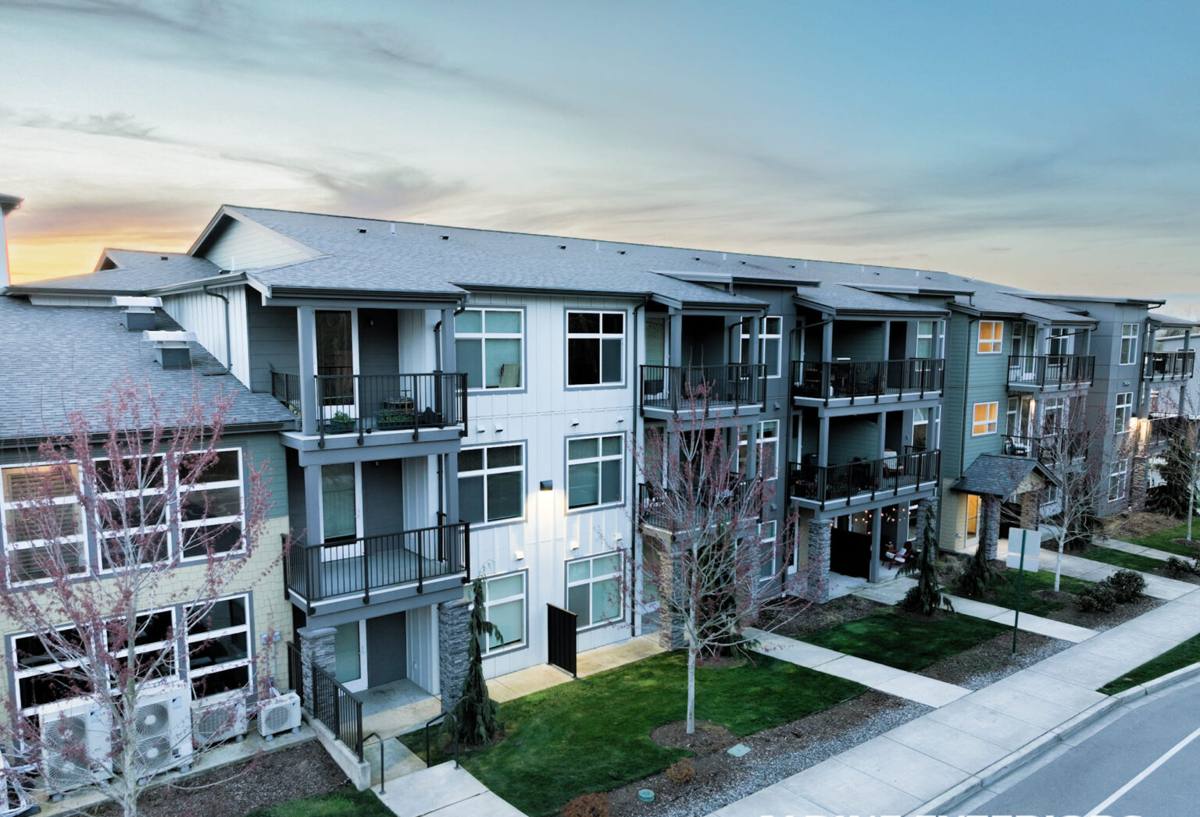
Drive through any newer subdivision in Wesley Chapel and you'll see it: crisp vertical panels with raised battens marking the seams, usually paired with a farmhouse or craftsman-style exterior. It's become the go-to look for new construction and remodels alike in this part of Pasco County, and for good reason — board and batten siding gives a home strong architectural lines without looking busy. But the same features that make it visually striking also make it less forgiving than standard lap siding if the material or the installation isn't right for our climate.
We install board and batten siding for homes throughout Land O'Lakes and Wesley Chapel using James Hardie fiber cement exclusively. This page covers what the style actually is, why the local climate changes how it needs to be built, and what separates a board and batten job that holds up for decades from one that starts showing problems in a few years.
What Board & Batten Siding Actually Is
Board and batten is a vertical siding pattern: wide flat panels installed side by side, with a narrower strip — the batten — covering each seam. Historically it was solid wood boards nailed directly to a home's framing, which is part of why the look reads as classic farmhouse. Modern versions replicate that appearance using engineered materials that don't share solid wood's weaknesses.
The James Hardie system we install uses fiber cement panels (HardiePanel) with fiber cement trim boards (HardieTrim) fastened over the seams as battens. Fiber cement is a mix of cement, sand, and cellulose fibers pressed and cured into a rigid, dimensionally stable panel. It doesn't expand and contract with humidity the way wood does, and it isn't a food source for insects or fungus. That matters more here than in a drier climate, because Pasco County's humidity swings are constant and the growing season for mold and mildew never really stops.
Full Elevation vs. Accent Use
Some homeowners want board and batten across an entire home; others use it as an accent on gables, dormers, a front porch surround, or a single feature wall while the rest of the house uses HardiePlank lap siding. Both are legitimate approaches, and either can be executed correctly or poorly — the accent-wall version still needs the same attention to flashing and fastening as a full elevation, just on a smaller scale.
Why the Local Climate Changes What "Correct" Means
A board and batten installation that works fine in a mild climate can fail here for reasons that have nothing to do with workmanship on the surface — they're about material choice and detailing. Wesley Chapel and the broader Land O'Lakes area deal with a specific combination of stressors:
- Hurricane-force wind: Vertical panels present a different wind-load profile than horizontal lap siding, and fastening schedules matter even more when a storm is pulling at long, narrow boards.
- Intense, year-round UV: Central Florida sun degrades paint film faster than almost anywhere else in the country, which is why factory-applied, baked-on finishes hold color longer than field-applied paint on raw material.
- Wind-driven rain: Vertical seams and battens create more joints than a lap pattern, and every one of those joints is a place water can find its way behind the siding if it isn't flashed and sealed correctly.
- Salt air: Even away from the immediate coastline, salt-laden air moving through the Tampa Bay region accelerates corrosion on fasteners and metal flashing that aren't rated for it.
None of this means board and batten is a bad choice here — it means the material and the installation details have to be chosen with these conditions in mind, not just for the look.
How We Build a Board & Batten Wall for This Climate
Material
We use James Hardie's HZ5 product formulation, engineered specifically for Gulf Coast and high-humidity climates like ours. It's the same reason we don't offer board and batten in vinyl, LP SmartSide, or unprimed wood — those materials each carry trade-offs (heat distortion, moisture-driven swelling, or ongoing paint maintenance) that show up faster under Pasco County sun and humidity than they would in a milder region.
Fastening
Every panel is fastened according to Hardie's published wind-zone specifications for our area, not a generic pattern. That includes fastener spacing at panel edges, corners, and around openings — the places where wind uplift concentrates during a storm. Battens are fastened through the underlying panel into framing wherever possible, not just glued or face-nailed into the panel alone.
Water Management
Behind every board and batten wall we install, there's a drainage plane — a weather-resistant barrier that lets any moisture that gets past the siding drain back out instead of sitting against the wall sheathing. Flashing is installed at every horizontal transition (window and door heads, roof-to-wall intersections, base of wall), and vertical joints between panels are detailed per manufacturer spec rather than just caulked and hoped for.
Finish
We install ColorPlus factory-finished panels wherever the color selection allows it. That finish is baked on at the factory under controlled conditions, which holds up to UV exposure far better than paint applied on-site after installation — a meaningful difference given how much direct sun most Wesley Chapel roofs and walls take across a full year.
Board & Batten Material Comparison
Homeowners researching this style often come across several material options. Here's how they stack up for a vertical board and batten application in our climate specifically:
| Material | Moisture Behavior | UV/Color Retention | Wind/Storm Durability | Long-Term Maintenance |
|---|---|---|---|---|
| James Hardie fiber cement | Dimensionally stable, engineered for humid climates | Factory-baked ColorPlus finish resists fading | Installed to published wind-zone fastening specs | Occasional rinse; no repainting for years with ColorPlus |
| Vinyl | Won't rot, but can warp or distort in sustained heat | Color is through-body but can chalk/fade over time | Lighter panels can be more vulnerable to wind uplift and impact | Low, but damaged sections are hard to color-match later |
| LP SmartSide (engineered wood) | Wood-based core is more moisture-sensitive than fiber cement | Requires field-applied or factory finish maintenance over time | Solid when installed correctly; edges are moisture-sensitive | Moderate — seams and cut edges need ongoing attention |
| Primed wood or cedar | Most moisture-sensitive option; prone to swelling/cupping | Paint film breaks down fastest under intense UV | Depends heavily on fastening and species | Highest — repainting and moisture inspection are routine |
We don't install vinyl, LP SmartSide, or raw wood board and batten. Each has legitimate uses in the right application, but for full exterior siding in a climate with this much heat, humidity, and storm exposure, we've standardized on James Hardie because it's the material we're comfortable standing behind long-term.
Our Process for Wesley Chapel Homes
- On-site assessment: We look at your home's current siding or sheathing condition, framing layout, and any existing moisture or trim issues before quoting anything.
- Design and layout: Panel width, batten spacing, and reveal are planned to fit your home's proportions — this is where board and batten either looks intentional or looks off, and it's decided before installation starts.
- Permitting: We handle the permitting required by your local jurisdiction, and if your property falls under an HOA with exterior guidelines, we account for that in the design phase rather than after materials are ordered.
- Water barrier and flashing installation: This happens before a single visible panel goes up, and it's the step that determines whether the wall stays dry for the next several decades.
- Panel and batten installation: Fastened to Hardie's wind-zone specifications, with attention to consistent reveal and tight, properly detailed joints.
- Final inspection and cleanup: We walk the job with you, check caulking and trim details, and clear the site of debris and packaging.
Why Hiring a Crew That Already Works Wesley Chapel Matters
Board and batten installation isn't complicated in concept, but it's unforgiving of shortcuts, and a lot of that comes down to local knowledge that doesn't show up in a general set of manufacturer instructions. A crew that regularly works Wesley Chapel and the surrounding Land O'Lakes area already knows the Pasco County permitting process, understands the wind-zone fastening requirements that apply to this part of Florida, and has likely already worked within the exterior guidelines of local HOA communities — which can dictate things like batten spacing, color approval, and trim profiles before you ever get to installation.
That local track record also means a faster, less frustrating process for you: fewer surprises during permitting, fewer back-and-forth revisions with an HOA architectural committee, and a crew that isn't learning our region's climate demands on your home.
Keeping Board & Batten Siding in Good Shape
James Hardie board and batten siding is low-maintenance, not no-maintenance. A simple routine keeps it performing the way it's designed to:
- Rinse the siding periodically with a garden hose to clear salt residue, pollen, and dust — a pressure washer isn't necessary and can force water into joints if used too aggressively.
- Walk the exterior after major storms and check caulking at trim, windows, and doors for cracking or separation.
- Keep irrigation heads and sprinklers pointed away from the siding — constant direct water contact at the base of a wall wears down caulking and finish faster than weather alone.
- Trim back landscaping so foliage isn't holding moisture against panels or battens.
- Address any caulking gaps or damaged trim promptly rather than waiting — small gaps are a quick fix; water intrusion behind the siding is not.
Get a Straightforward Estimate
If you're considering board and batten siding for a home in Wesley Chapel or elsewhere in the Land O'Lakes area, we're glad to walk the property with you, talk through layout and design options, and give you a clear, no-pressure estimate. Use the form below to get started.