 Land O'Lakes Siding
 New-Construction Windows in Angus Valley: What the Job Actually Is
When we say "new-construction windows," we're talking about a specific kind of installation, not just a specific product. A new-construction window has a nailing fin (also called a nail flange) built into the frame, and it's installed while the wall is open — before stucco, siding, or exterior trim goes on. That's different from a replacement or "insert" window, which gets set into an existing, finished opening without disturbing the wall around it. In Angus Valley, we see both situations regularly: new builds and additions where the rough openings are wide open and ready, and full-wall remodels or room additions where an older opening gets reframed down to the studs so a proper new-construction unit can go in correctly instead of getting patched around.
Getting this job right matters more than most homeowners realize. A new-construction window is only as good as the flashing, sealing, and fastening done around it before the wall gets closed back up. Once stucco or siding covers that flange, any mistake underneath is hidden — and it usually doesn't show up as a problem until months or years later, in the form of a stain on the drywall or a soft spot below the sill.
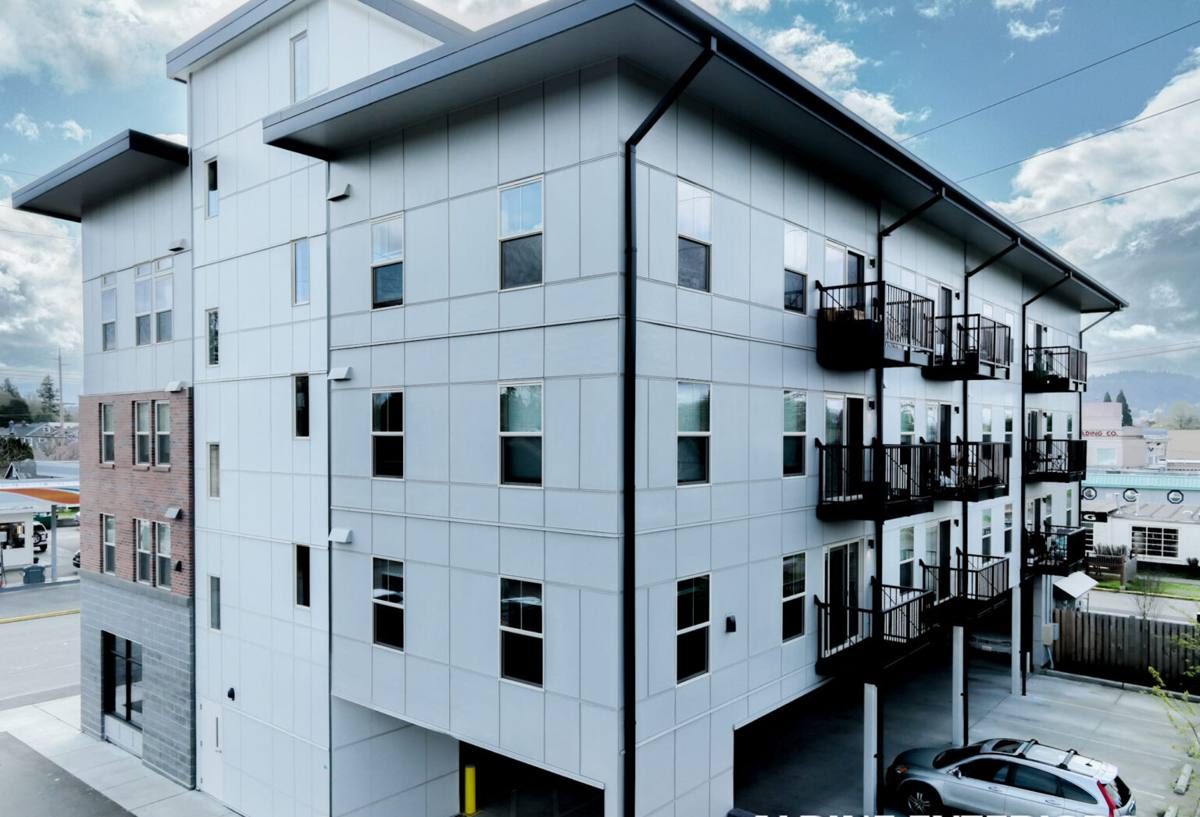
Why the Installation Method Matters as Much as the Window Itself
A lot of window sales conversations focus almost entirely on glass and frame material. That's part of the picture, but for new-construction openings, the installation sequence is what actually keeps water and wind out. The basic order matters: the rough opening gets prepped, a sill pan or sloped flashing goes in first so any water that gets past the window drains back out instead of pooling, the window gets set plumb and square and fastened through the nailing fin per the manufacturer's schedule, then flashing tape and a weather-resistant barrier get layered over the fin shingle-style — bottom to top — so water always sheds downward and outward.
Skip or rush any one of those steps and the window can look fine from the outside while still being a leak risk. This is the part of the job that separates a correct install from a fast one, and it's also the part that's completely invisible once the exterior finish goes back on.
Common Shortcuts We Won't Take
- Skipping the sill pan flashing because "the window has its own weep system"
- Using construction adhesive or caulk alone as a substitute for proper flashing tape
- Fastening through the frame instead of the nailing fin, which can distort the frame and void the manufacturer's warranty
- Leaving gaps in the weather-resistant barrier overlap at the corners, where most leaks actually start
- Foaming the rough opening gap with a high-expansion foam that bows the frame out of square
What Land O'Lakes and Pasco County Weather Demands From These Windows
Land O'Lakes sits inland from the Gulf, but that doesn't mean the home gets a pass on storm-grade construction. Pasco County still requires windows to meet Florida Building Code wind load standards, and the region gets the same summer pattern every year: hurricane-force wind risk during storm season, sudden wind-driven rain that comes in sideways during afternoon thunderstorms, and near-constant UV exposure the rest of the year that breaks down cheap vinyl, weatherstripping, and glazing seals over time. None of that is unique to Angus Valley, but it's exactly why the details of a new-construction install — the flashing, the fastening pattern, the sealant — need to hold up to real Florida conditions, not just look finished on install day.
Salt air is a smaller factor this far inland compared to a beachfront property, but the broader Tampa Bay region still carries enough coastal moisture and humidity that corrosion-resistant fasteners and hardware are worth insisting on rather than treating as an upgrade. Combine that with our rainy season and the wind gusts that come with it, and a window opening that isn't properly flashed is a matter of when it leaks, not if.
Impact Rating and Code Requirements for New Construction
Pasco County falls outside the state's High-Velocity Hurricane Zone (that designation is limited to Miami-Dade and Broward), but the county still enforces Florida Building Code wind pressure requirements based on your specific location, elevation, and exposure category. In practical terms, that means the windows going into a new-construction opening in Angus Valley need to carry a valid Notice of Acceptance (NOA) or Florida Product Approval number rated for the wind pressures at that address, and the installation has to be permitted and inspected — this isn't optional paperwork, it's what protects the homeowner if there's ever a warranty dispute or an insurance claim after a storm.
Homeowners have a choice between impact-rated glass, which stays intact under wind-borne debris impact without a separate covering, and non-impact windows paired with code-compliant shutters or panels. Both routes can satisfy code. The right one for a given project depends on the specific opening size, budget, and whether the homeowner wants to skip storm prep entirely when a hurricane is approaching.
Glass Package and Energy Performance
Florida's year-round sun load means the glass package matters almost as much as the impact rating. Low-E coatings reduce how much solar heat gets transmitted through the glass, which shows up directly on cooling bills given how many months a year Pasco County homes run air conditioning. For new-construction openings, this is the easiest point in the process to make that choice correctly, since the whole window gets specified and ordered as a unit rather than retrofitted later. We'll walk through U-factor and Solar Heat Gain Coefficient numbers in plain terms during the estimate, not just hand over a spec sheet, so the decision makes sense for how the room is actually used.
Frame Material: Vinyl vs. Aluminum for New Construction
Vinyl frames are common in this market and hold up well to UV and humidity when properly reinforced for larger openings, while aluminum frames offer a narrower sightline and can be a better fit for certain architectural styles, at the tradeoff of higher heat transfer unless thermally broken. Neither is a wrong answer on its own; the right one depends on the opening size, the home's style, and the budget.
Comparing Your Options
| Factor | Impact-Rated Windows | Non-Impact + Shutters/Panels |
|---|---|---|
| Storm prep required | None — glass stays in place under debris impact | Shutters or panels must be installed before a storm |
| Upfront cost | Higher per window | Lower window cost, plus shutter/panel cost |
| Daily use | Functions like a normal window year-round | Normal window, but exposed glass isn't debris-rated |
| Noise and UV reduction | Laminated glass typically cuts outside noise and UV more | Depends on the base glass package chosen |
| Insurance considerations | May qualify for wind mitigation credits | Shutters can also qualify, if code-compliant and properly installed |
Our Process for a New-Construction Install in Angus Valley
- Site visit and rough opening review. We check opening sizes against the window schedule, confirm wind pressure requirements for the specific address, and flag any framing issues before ordering.
- Permitting. New-construction window installs in Pasco County require a permit and inspection. We handle the paperwork so nothing gets built in that can't be signed off later.
- Sill pan and flashing prep. Every opening gets a sloped or pan-style sill flashing before the window ever goes in, so incidental water has somewhere to go besides your wall cavity.
- Setting the window. Plumb, level, and square, fastened through the nailing fin according to the manufacturer's approved pattern — not guesswork.
- Flashing and barrier integration. Tape and weather-resistant barrier go on in the correct shingle-lap order so water sheds outward at every layer.
- Interior and exterior sealing. Low-expansion foam or backer rod and sealant around the frame, sized to allow for normal thermal movement.
- Final inspection walkthrough. We check operation, sealant lines, and hardware before the wall closes up, then coordinate the county inspection.
Checklist: What a Correct New-Construction Window Job Includes
- A written scope specifying window brand, series, glass package, and impact rating (if applicable)
- Proof of current Florida Product Approval or NOA numbers for the specific units ordered
- A permit pulled with Pasco County before work starts, not after
- Sill pan flashing on every opening, not just the ones the crew feels like doing
- Fasteners rated for exterior/coastal-adjacent exposure, not standard interior-grade screws
- A final walkthrough where the installer explains what was done and answers questions before closing up the wall
Why a Crew That Already Works Angus Valley Is Worth Something
New-construction window work touches permitting, inspections, and sometimes HOA architectural review, depending on the community. A crew that's already done this work in and around Land O'Lakes knows the county's inspection expectations, knows what documentation the permitting office wants to see, and isn't learning the process for the first time on your project. That familiarity translates into fewer surprises: fewer failed inspections from missing paperwork, fewer delays waiting on re-orders because a wind pressure rating didn't match the opening, and a realistic timeline instead of an optimistic one.
It also matters for something less obvious — accountability. A contractor working one job and moving on to the next county over has less reason to stand behind the work years later. A crew that keeps working the same neighborhoods has a reputation to protect locally, and that's a real incentive to do the flashing and sealing details right the first time, since a callback is a lot more expensive than doing it correctly up front.
Maintenance and Long-Term Performance
A correctly installed new-construction window in this climate should need very little attention, but a little goes a long way. Rinse tracks and weep holes periodically so wind-blown debris and pollen don't block drainage paths. Inspect exterior caulk lines once a year, ideally before hurricane season, since UV breakdown of sealant is the most common source of a "new" leak showing up years after install — not a failure of the window itself. If you notice a soft spot in interior drywall or trim near a window, or discoloration on the stucco below a sill, get it looked at promptly; caught early, it's a sealant repair, not a framing repair.
If you're planning new construction, an addition, or a full-opening remodel in Angus Valley, we're happy to walk the site, look at your rough openings, and give you a straightforward, no-pressure estimate on doing the window installation correctly the first time. There's a quote form right below this page — reach out and we'll get back to you.