 Land O'Lakes Siding
 Zephyrhills Roofs Take a Specific Kind of Beating
Homes in and around Zephyrhills sit in one of the more storm-exposed parts of Pasco County. Between June and November, roofs here deal with tropical systems that bring sustained hurricane-force gusts, hours of wind-driven rain, and the kind of pressure changes that lift shingles and flashing that looked perfectly fine the week before. Outside of storm season, the sun does its own damage — Florida's UV load is among the highest in the country, and it bakes asphalt shingles and dries out sealants year-round. Add in the humid, salt-influenced air that moves inland across West-Central Florida, and you've got a roof system that's under stress almost constantly, not just during a named storm.
That combination is why storm damage on a Zephyrhills roof rarely shows up as one clean, obvious problem. It's usually a mix of wind-lifted shingles, wear that was already in progress, and small entry points for water that don't announce themselves until there's a stain on a ceiling. A repair that only addresses the visible damage and ignores the surrounding wear tends to fail again in the next storm.
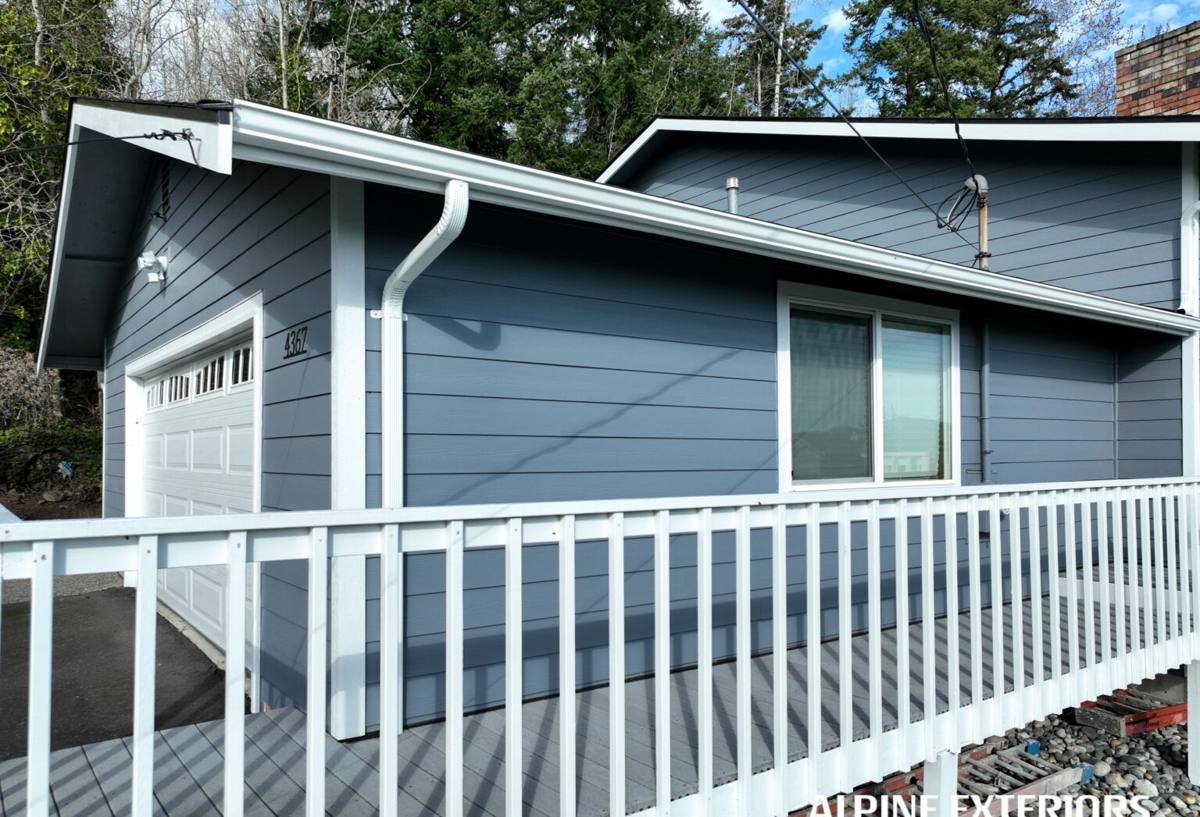
What Actually Counts as Storm Damage
Homeowners often assume storm damage means missing shingles or a visible hole. In practice, most of what we find after a Pasco County storm is less dramatic but just as serious.
Common Damage Patterns We See
- Shingles that are creased, lifted, or have lost their granule coating from wind flex
- Flashing around chimneys, skylights, and roof-wall joints that's been pried loose by wind uplift
- Nail pops and fasteners backed out just enough to break the seal underneath
- Wind-driven rain forced under shingles at ridges, valleys, and eaves — even without any visible tear
- Soffit and fascia damage from wind pressure at the roof edge
- Debris impact marks from branches or airborne material that bruise or puncture the roof deck
The tricky ones are the seal breaks and lifted flashing that don't leak right away. Water can travel along the underlayment or decking for weeks before it finds its way to a ceiling, which is why a proper storm inspection checks more than just what's obviously missing.
How We Handle a Storm Damage Repair Call
When we get a call from a Zephyrhills homeowner after a storm, we treat the roof as a system, not a patch job. The process looks like this:
1. Ground and Roof Inspection
We walk the roof (weather permitting) and check the attic from inside, since attic staining and damp insulation tell us where water actually entered — which isn't always directly under the visible exterior damage.
2. Documentation
We photograph and note every area of damage before touching anything. This matters for your records and, if you're filing a claim, gives you something concrete to hand your insurance company.
3. Temporary Protection When Needed
If there's an active leak or exposed decking, we prioritize getting the roof watertight — tarping or dry-in protection — before scheduling the full repair, especially if more rain is in the forecast.
4. Scoped Repair Plan
We write up exactly what needs to happen: shingle and underlayment replacement in the affected sections, flashing repair or replacement, fastener correction, and any decking that needs attention. We explain the reasoning, not just the line items.
5. The Repair Itself
We match materials as closely as possible to your existing roof, tie new work into the surrounding shingles correctly so water sheds the way it's supposed to, and re-seal and re-flash anything we've opened up. A repair that isn't properly integrated into the existing roof plane is one of the most common causes of a second leak down the road.
Repair or Replace? What Actually Decides It
Not every storm-damaged roof needs full replacement, and not every roof is a good candidate for another round of patching. We look at a few honest factors before recommending either direction.
| Factor | Leans Toward Repair | Leans Toward Replacement |
|---|---|---|
| Roof age | Under 10-12 years, asphalt shingle | Approaching or past its rated lifespan |
| Damage extent | Isolated to one or two roof sections | Spread across multiple slopes or the whole roof |
| Decking condition | Solid, no rot or soft spots found | Water-damaged or soft decking uncovered during repair |
| Prior repair history | First significant repair on this roof | Roof has been patched repeatedly already |
| Shingle match availability | Matching shingles still available | Discontinued color/style, visible patchwork unavoidable |
We'll always tell you where your roof actually falls on that list rather than defaulting to the bigger job. A well-executed repair on a roof with useful life left is the right call more often than not.
Materials We Use for Storm-Prone Repairs
For most Zephyrhills homes, we're working with architectural asphalt shingles, and that's the right product for the majority of repairs — it's readily available in matching profiles and colors, holds up well to Florida's wind and UV exposure when properly installed, and doesn't require replacing an entire roof system to fix a localized problem.
For flashing and underlayment, we use synthetic underlayment and metal flashing rather than older felt-and-tar-strip methods, since synthetic underlayment holds up better to the wind-driven rain that gets forced sideways under shingles during a tropical system. On roofs where we're repairing valleys or roof-wall intersections, we pay particular attention to step flashing and counter-flashing details — this is where a large share of "mystery leaks" actually originate, and it's an area that's easy to under-build if a crew is moving fast.
We're generally cautious about mixing shingle brands or product lines mid-roof, even when a color looks close. Different manufacturers use different granule blends and shingle profiles, and a mismatched patch is both a cosmetic problem and, in some cases, a warranty complication if the original roof is still under a manufacturer warranty tied to a single product line.
Working With Your Insurance Company
Wind and hail damage from a named storm is typically covered under a standard Florida homeowners policy, though coverage details, deductibles, and hurricane-specific deductibles vary by policy. We're not your insurance adjuster and won't promise a specific claim outcome, but we can:
- Provide clear photo documentation and a written damage assessment you can submit with your claim
- Point out damage that's easy to miss from the ground, like lifted flashing or subtle granule loss
- Give you a repair estimate that reflects what the work actually requires, not an inflated number built for negotiation
If your adjuster's scope and our inspection don't match, we'll walk you through the discrepancy in plain terms so you understand what's being disputed and why.
Why It Matters That We Already Work in Zephyrhills
A roofing crew that only shows up after a storm brings a lot of guesswork with them. We're already familiar with the building patterns common in Pasco County, the shingle types and roof pitches typical of this area, and the local permitting requirements that apply to roof repair work. That means fewer surprises once we're actually on your roof.
There's also a practical, unglamorous reason local matters after a storm: response time. When a wide area gets hit at once, out-of-town storm-chasing crews and roofers spread thin across the region can mean a weeks-long wait just to get a tarp up. A crew that's based in the area and already has local relationships and material suppliers can typically respond faster and follow through after the initial fix, instead of disappearing once the check clears.
After a Storm: What to Check Before You Call
You don't need to get on the roof yourself — and after a storm, we'd rather you didn't. But a quick, safe check from the ground and inside the attic helps you describe the problem accurately and decide how urgent the call is.
- Look at the roofline from the ground for shingles that are missing, curled, or visibly out of place
- Check gutters and the ground around the house for shingle granules or shingle pieces
- Look for dented or damaged soffit, fascia, or gutters, which often points to wind or debris impact
- Check ceilings and the attic (if safely accessible) for new water stains, dampness, or a musty smell
- Note the date and time of the storm and any visible damage, with photos if it's safe to take them
- Avoid walking a wet or storm-damaged roof yourself — loose shingles and weakened decking are a real fall risk
If you see active water intrusion, that's the one situation where you shouldn't wait for a scheduled inspection — call so we can get the roof protected before more rain moves through.
Let's Take a Look
If your Zephyrhills home has storm damage — obvious or something you're just not sure about — we're happy to come take an honest look. The estimate is free, there's no pressure to sign anything on the spot, and you'll get a clear explanation of what we find and what it would take to fix it right. Use the form below to get in touch and we'll set up a time to come out.