 Land O'Lakes Siding
 Siding Installation Built for How Wiregrass Ranch Homes Actually Get Weathered
Homes in and around Wiregrass Ranch face a specific combination of stress that a lot of siding products simply weren't designed to handle over the long haul: months of intense, direct Florida sun, sudden hurricane-season wind loads, wind-driven rain that gets pushed sideways into wall assemblies, and the humid, Gulf-influenced air that settles over Pasco County for most of the year. None of that is unique to one street or one house — it's the baseline climate every exterior surface in this part of Land O'Lakes has to survive, year after year, without a break.
That's the lens we use on every siding installation we quote in this area. The question isn't just "what does this look like on day one" — it's "what does this look like in year eight, after a dozen tropical storms and a decade of UV exposure." A lot of siding failures we get called out to inspect aren't dramatic. They're slow: a soft spot near a window corner, paint that's chalked and faded unevenly, a bottom course that's swollen from years of splashback. Correct installation is what prevents that slow failure, and it starts well before the first panel goes up.
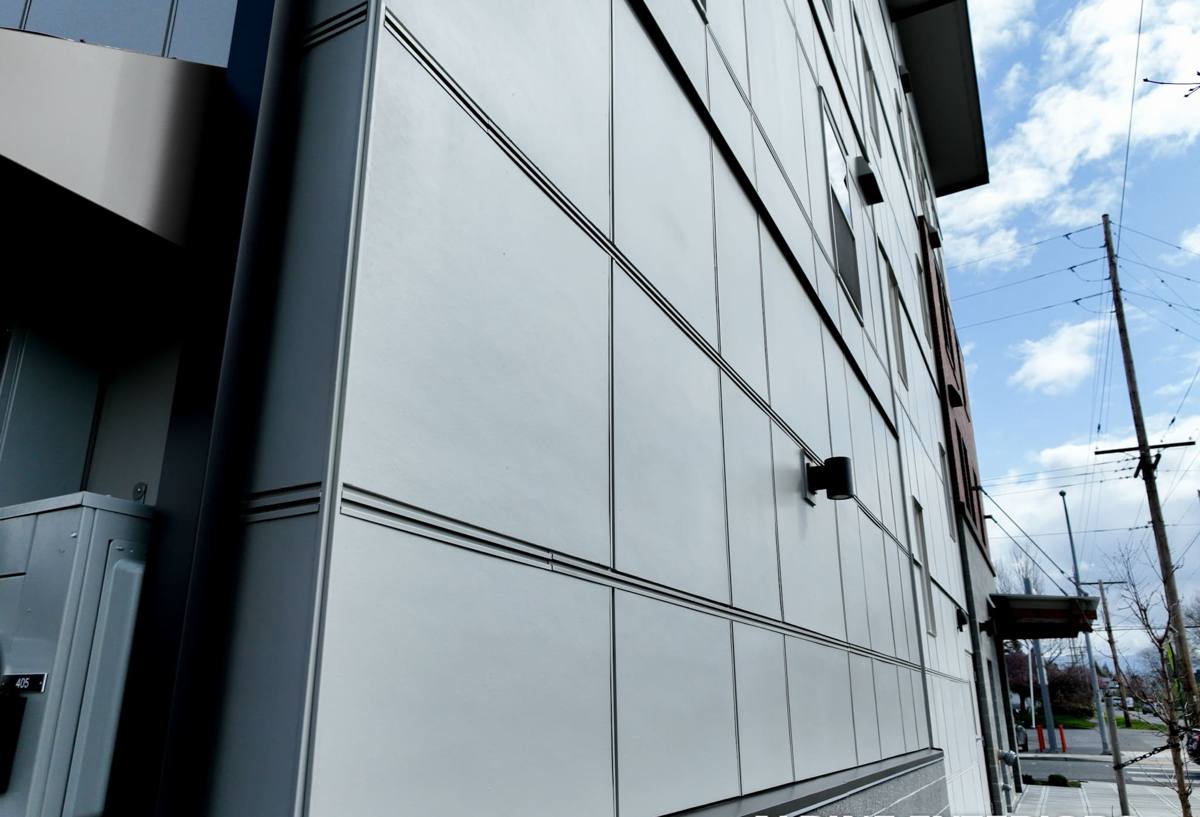
What This Climate Does to Siding Over Time
UV and heat
Pasco County gets strong, direct sun for most of the year. Cheaper coatings and unstabilized materials chalk, fade, and become brittle faster than manufacturers' marketing tends to admit. Color consistency and coating integrity matter more here than they would in a milder climate.
Wind-driven rain
During tropical storms and the seasonal downpours that are just normal summer weather here, rain doesn't fall straight down — it's pushed sideways by wind, right into seams, laps, and penetrations. A siding system that isn't lapped, flashed, and fastened correctly will let water in at exactly those points, whether or not the material itself is water-resistant.
Wind load
Hurricane-force gusts put real mechanical stress on siding — pulling at fastener points, working loose panels that weren't nailed to spec, and finding any section that was under-fastened to save time.
Humidity and airborne salt
Even well inland from the Gulf, this region stays humid most of the year, and prevailing winds carry a measure of salt-tinged air across Pasco County. That combination accelerates corrosion on fasteners and trim hardware that isn't rated for it, and it keeps moisture in contact with wall assemblies longer than in drier climates.
What a Correct Siding Installation Actually Involves
The siding itself is maybe half the equation. The other half is everything underneath and around it — the parts that are invisible once the job is finished but determine whether it holds up.
- A continuous, correctly lapped weather-resistive barrier behind the siding, with no gaps at seams or penetrations
- Proper flashing at every window, door, and roofline intersection so wind-driven rain has nowhere to travel behind the cladding
- Fasteners installed at manufacturer-specified spacing and depth — not just "enough to hold it up," but enough to meet wind-load requirements
- Correct clearances between the bottom of the siding and grade, decks, patios, or roof lines to keep splashback and standing water away from the material
- Factory-cut and factory-primed edges kept intact wherever possible, since field-cut edges need to be sealed correctly to perform as designed
- Caulking and sealant used only where the manufacturer specifies it — not as a substitute for correct flashing
- Corrosion-resistant fasteners and trim hardware appropriate for a humid, coastal-influenced climate
Skip any one of these steps and the siding can still look right at closing walkthrough. The problems show up later — often after the labor warranty on a rushed job has already expired.
Why We Install Only James Hardie Fiber Cement
We don't install vinyl, LP SmartSide, Cemplank, Allura, primed spruce, or cedar. That's not a marketing position — it's a decision based on what we've seen hold up in Pasco County's climate versus what struggles with it.
Vinyl softens, warps, and can crack in high heat and impact events, and it has real limits in sustained high wind. Wood-based and engineered-wood products are vulnerable to moisture intrusion at cut edges and seams if installation isn't flawless, and they carry an ongoing maintenance burden that a lot of homeowners don't fully understand until it's already a problem. Fiber cement alternatives to Hardie can perform reasonably well, but we've standardized on one manufacturer so our crews build deep, specific expertise with one system rather than spreading that knowledge thin across several.
James Hardie fiber cement is non-combustible, dimensionally stable in heat and humidity, and manufactured in HZ product lines engineered for specific climate zones — including the moisture and heat profile we deal with here. The factory-applied ColorPlus finish is baked on and warranted separately from the substrate, which addresses the fading and chalking problem UV exposure causes with field-applied paint. It's also backed by a strong transferable warranty when installed to Hardie's specifications, which matters both for you and for whoever might buy the house down the road.
How the options compare
| Factor | James Hardie Fiber Cement | Vinyl Siding | Wood / Engineered Wood |
|---|---|---|---|
| Wind resistance | Engineered for high-wind zones when installed to spec | Can crack or blow off in sustained high wind | Adequate if fastened correctly, but panels are more failure-prone at seams |
| UV / fade resistance | Factory-baked ColorPlus finish, separately warranted | Fades and chalks over time in intense sun | Paint or stain fades and needs recoating on a cycle |
| Moisture behavior | Dimensionally stable, doesn't rot | Doesn't rot but can trap moisture behind it | Vulnerable at cut edges and joints if not sealed correctly |
| Fire rating | Non-combustible | Combustible | Combustible |
| Maintenance | Low — occasional wash, no repainting cycle | Low, but brittleness increases with age | Higher — regular inspection and recoating needed |
Our Installation Process
Every project follows the same sequence, whether it's a full re-side or a repair-driven replacement:
- On-site assessment — we look at the existing wall assembly, current siding condition, trim, and any moisture damage before quoting anything
- Product and profile selection — matching the right Hardie product line and profile to the home's style and the specific exposure of each elevation
- Tear-off and substrate check — removing old material and inspecting sheathing for hidden rot or damage before anything new goes up
- Weather barrier and flashing — the invisible layer that does most of the long-term work
- Installation to manufacturer spec — correct fastening, clearances, and lap sequencing for wind and rain performance
- Trim, caulking, and finish detail — the visible work that determines curb appeal
- Final walkthrough — going over the finished job with you before we call it done
Why Hiring a Crew That Already Works Wiregrass Ranch Matters
Master-planned communities like Wiregrass Ranch often come with HOA architectural guidelines that govern siding colors, profiles, and sometimes trim details. A crew unfamiliar with that process can turn a straightforward job into a scheduling headache with resubmissions and delays. We've worked through architectural review processes in communities across Land O'Lakes and Pasco County, so we know to check on that early rather than after material is ordered.
There's also a practical, on-the-ground reason local experience matters: crews that regularly work in this specific part of Pasco County have a feel for how homes here are actually built — lot orientation, typical roofline details, common trim configurations — which speeds up accurate quoting and reduces surprises once tear-off starts. And because Pasco County pulls permits and conducts inspections on exterior work like this, a contractor who already has a working relationship with local permitting moves your project through that process faster than one starting from scratch.
What to Expect After Installation
Correctly installed Hardie siding is low-maintenance, not no-maintenance. Plan on an occasional rinse to clear pollen, dust, and salt-tinged residue, and a visual check after major storms for any loose trim or caulking that may need attention. Because the ColorPlus finish is factory-applied and warranted, you shouldn't be looking at a repainting cycle the way you would with field-painted wood siding — but keeping gutters clear and grading away from the foundation still matters, since standing water at the base of any siding system shortens its life regardless of the material.
If you're planning a siding project for a home in Wiregrass Ranch or elsewhere in Land O'Lakes, we're happy to take a look and walk you through what your home specifically needs — no pressure, no obligation. Use the form below to request a free estimate.