 Land O'Lakes Siding
 Metal Roofing Built for the Zephyrhills Side of Pasco County
Zephyrhills sits on the eastern edge of Pasco County, close enough to Land O'Lakes that the two communities share the same weather patterns, the same building codes, and a lot of the same roofing headaches. Homes here take a beating that homeowners farther north or inland rarely deal with: long stretches of intense summer sun, sudden hurricane-force wind events, and rain that doesn't just fall straight down but gets driven sideways under eaves and into fascia. Metal roofing has become a popular answer for homeowners who are tired of replacing shingles every decade and want something that actually matches the climate they live in.
This page is about one thing specifically: metal roofing for homes in and around Zephyrhills. Not a general overview of every roofing material we offer, but what a metal roof needs to do here, what a correct installation actually involves, and why it matters that the crew doing the work already knows this part of Pasco County.
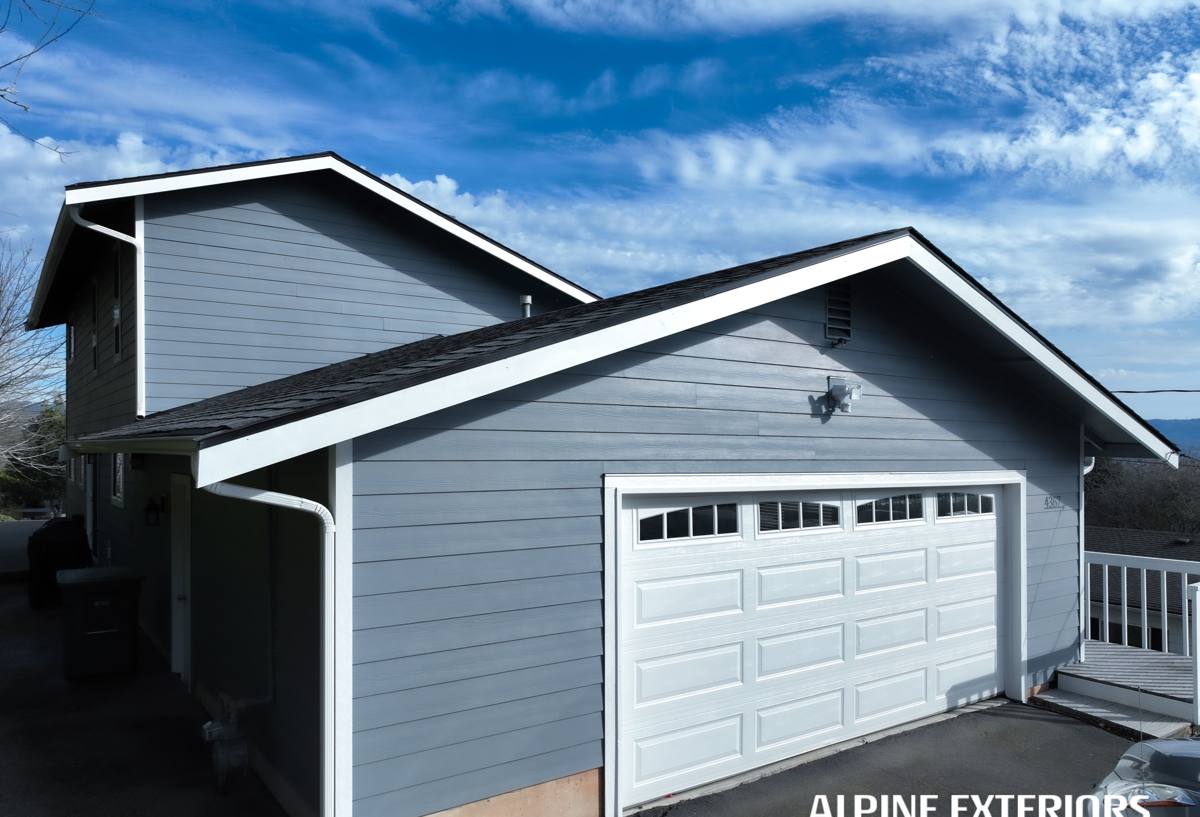
What Central Florida Weather Actually Does to a Roof
Before talking about panels and fasteners, it helps to understand what a roof in this area is up against year-round. It's not one big storm event that causes most of the damage — it's the daily grind.
Wind
Pasco County sees tropical storm and hurricane-force wind events on a fairly regular basis, and even routine summer thunderstorms can produce sudden gusts strong enough to lift poorly fastened roofing material. Wind doesn't just push down on a roof — it creates uplift at the edges and corners, which is exactly where cheap installations fail first.
UV and Heat
Florida sun is relentless, and roofs absorb it directly for most of the day, most of the year. UV exposure breaks down asphalt shingles from the inside out, drying out the oils that keep them flexible and causing granule loss and cracking well before their rated lifespan is up. Metal handles constant UV exposure far better than asphalt, but the coating and finish quality still matter.
Wind-Driven Rain
Straight-down rain is easy to shed. The rain that causes problems here comes in sideways during storms, working its way under poorly sealed laps, around penetrations, and into any gap in the underlayment. A roof that looks fine from the ground can still be letting water in at the seams.
Humidity and Salt-Influenced Air
Zephyrhills and Land O'Lakes are inland, but Pasco County still sits within reach of Gulf-influenced weather systems, and storm winds can carry moisture-laden, mildly corrosive air well inland during and after tropical events. Combined with Florida's year-round humidity, that means metal, fasteners, and flashing all need corrosion-resistant coatings — not just bare or lightly coated steel.
What a Correctly Installed Metal Roof Actually Involves
Metal roofing has a reputation for being low-maintenance, and it is — but only when it's installed right. Most of the complaints we hear about metal roofs trace back to installation shortcuts, not the material itself.
The Deck and Underlayment
Metal roofing is only as good as what's underneath it. We check the roof deck for soft spots, rot, or delamination before anything goes down, and we use a self-adhered or synthetic underlayment rated for high heat, since metal panels run hotter than shingles in direct sun. Skipping deck repairs to save time is one of the most common shortcuts we see from rushed installs.
Fastening Pattern
Wind resistance comes down to how the panels are attached, not just what they're made of. Fastener spacing has to tighten up at eaves, ridges, and corners — the exact zones where uplift pressure concentrates during a wind event. A uniform fastening pattern across the whole roof looks fine until the first real storm finds the weak spots.
Flashing and Penetrations
Every pipe boot, vent stack, chimney, and valley is a place where water can get in if the flashing isn't cut, formed, and sealed correctly for that specific panel profile. Pre-formed, generic flashing that doesn't match the panel seam height or spacing is a common source of leaks that don't show up until a year or two later.
Panel Profile Selection
Not every metal roofing profile fits every home. Roof pitch, existing structure, HOA guidelines, and the look a homeowner wants all factor into whether standing seam, exposed-fastener panels, or a stone-coated steel system makes the most sense.
Comparing Metal Roofing Options
Homeowners often come to us already knowing they want metal but unsure which system fits their house and budget. Here's a general comparison of the main options we install:
| Panel Type | Best For | Wind Performance | Relative Cost |
|---|---|---|---|
| Standing Seam | Homes wanting a clean, modern look with hidden fasteners | Excellent — concealed clips resist uplift well | Higher |
| Exposed-Fastener Panel | Budget-conscious homeowners, outbuildings, some ranch-style homes | Good, but fastener seals need periodic inspection | Moderate |
| Stone-Coated Steel | Homeowners wanting a shingle or tile look with metal durability | Very good — heavier profile resists uplift | Moderate to Higher |
Cost ranges vary based on roof size, pitch, tear-off needs, and detailing complexity, so we always give a real number after seeing the actual roof rather than quoting off a rule of thumb.
Our Process for Zephyrhills-Area Roofs
The process itself isn't complicated, but skipping steps is where problems start. Here's how we approach a metal roofing project:
- On-site inspection of the existing roof, deck condition, and any problem areas or past repairs
- Honest conversation about panel options, pricing, and what actually fits the home and budget
- Permitting and code compliance handled through Pasco County before work begins
- Tear-off (when needed) and deck repair, addressed before any underlayment goes down
- Underlayment and panel installation with fastening patterns matched to wind exposure at eaves and corners
- Flashing, penetrations, and trim detail work — where most leaks originate if rushed
- Final walkthrough so the homeowner sees the finished work and understands the warranty coverage
Signs a Roof in This Area Needs Attention
Whether you currently have shingles or an older metal roof, it helps to know what to watch for before small issues turn into interior damage. A few things worth checking after any significant storm:
- Loose, lifted, or missing shingles, especially near ridges and edges
- Streaking, rust staining, or discoloration around metal flashing or fasteners
- Soft spots or sagging when walking the attic space
- Water stains on interior ceilings, even faint or old-looking ones
- Granules collecting in gutters (a sign of shingle breakdown from UV exposure)
- Visible gaps or separation at seams, valleys, or around roof penetrations
None of these automatically mean a full replacement is needed, but they're worth a real inspection rather than guessing from the ground.
Why It Matters That We Already Work in Zephyrhills
Roofing code requirements, permitting steps, and even typical roof structures vary by county and by how a neighborhood was built. A crew that already works Zephyrhills and the surrounding Land O'Lakes area knows the local permitting process, has already dealt with the mix of roof ages and structures common in this part of Pasco County, and isn't learning the area on your project. That familiarity shows up in fewer surprises during the job and a faster path from estimate to completed roof.
It also means we're not disappearing after the install. If a fastener works loose after a big wind event or a seam needs a second look years down the road, we're still a local call away — not a crew that drove in from another market for one job.
Maintenance: What Metal Roofing Actually Needs
One of the real advantages of metal roofing in this climate is how little ongoing maintenance it requires compared to shingles. That said, "low-maintenance" doesn't mean "no maintenance."
Annual or Post-Storm Checks
A quick visual inspection after major storms — checking fastener heads, flashing seals, and panel edges — catches small issues before they become leaks.
Keep Debris Clear
Leaves and organic debris trapped in valleys or against panel seams hold moisture against the surface longer than it should sit, which can accelerate wear at those points over time.
Watch the Coating
Most quality metal roofing finishes are built to resist chalking and fading under Florida sun for decades, but coating quality varies by manufacturer and product line — which is exactly why we talk through finish options during the estimate instead of treating all metal roofing as identical.
Ready for a Straight Answer on Your Roof?
If you're weighing metal roofing for a home in Zephyrhills, Land O'Lakes, or anywhere nearby in Pasco County, we're happy to take a look and give you a straightforward assessment — no pressure, no inflated urgency. Use the form below to request a free estimate, and we'll walk the roof, answer your questions, and give you real numbers based on your actual home.