 Land O'Lakes Siding
 Siding Built for Wesley Chapel's Climate, Not Just Its Curb Appeal
Wesley Chapel has grown fast, and a lot of that growth means newer homes with siding that was installed quickly to keep pace with development schedules. Fast isn't always wrong, but siding is one of the few building components that sits directly between your house and a Central Florida climate that does not go easy on exterior materials. Between hurricane-force wind events, intense year-round UV exposure, wind-driven rain, and the salt-tinged air that reaches well inland from both Gulf and Atlantic coastal weather systems, siding in this part of Pasco County has to do real structural and moisture-management work, not just look good in a listing photo.
This page is specifically about siding installation for homes in and around Wesley Chapel. If you're comparing materials, replacing storm-damaged siding, or just trying to understand what a correct installation actually involves before you sign a contract, this is written for that decision.
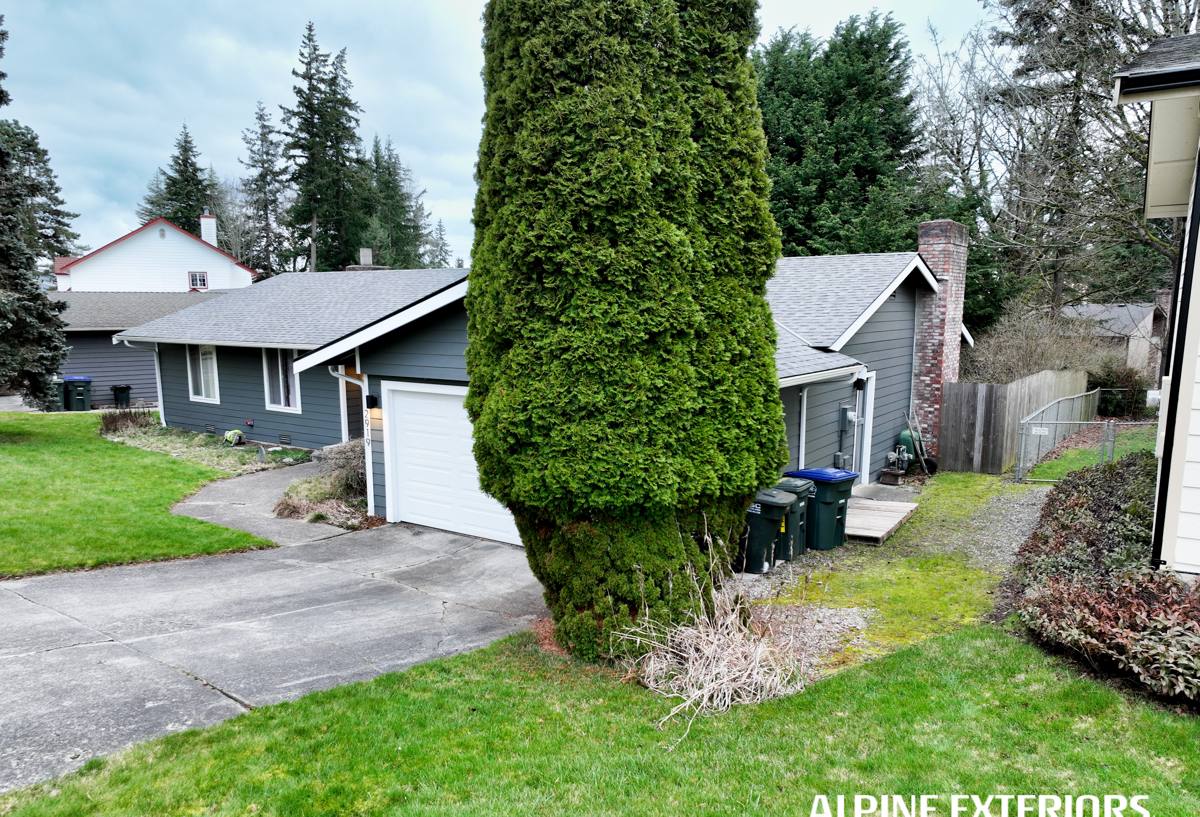
What Wesley Chapel Homes Actually Need From Their Siding
Wind Resistance That Matches the Storm Track
Pasco County sits in a region that sees tropical storm and hurricane activity most years, and even when a storm doesn't make a direct hit, Wesley Chapel routinely experiences sustained winds and gusts strong enough to test poorly fastened siding. Siding failure in high wind is almost always an installation problem — wrong fastener spacing, insufficient nailing patterns, or panels that weren't rated or installed for the exposure category of the home — more often than it's a failure of the material itself.
UV Load That Never Really Lets Up
Unlike northern climates where siding gets a seasonal break from direct sun, Wesley Chapel's siding is under near-constant UV exposure for most of the year. Cheap or poorly finished materials chalk, fade unevenly, or become brittle years before their rated lifespan. The finish system matters as much as the substrate underneath it.
Wind-Driven Rain and Moisture Intrusion
Florida rain doesn't fall straight down during storms — it comes in sideways, driven by wind, and finds every gap, seam, and improperly lapped joint in a siding system. Good siding installation in this area is fundamentally a water-management job: flashing, house wrap integration, proper overlaps, and correct caulking at penetrations matter more here than in drier climates.
Salt Air and Corrosion
Wesley Chapel isn't beachfront, but salt-laden air travels well inland across the Florida peninsula, especially during onshore wind events. Over years, that salt content accelerates corrosion in fasteners, trim, and any siding component not rated for coastal-adjacent exposure.
What a Correct Siding Installation Involves
A siding job done right is mostly invisible once it's finished — you don't see the parts that actually protect the house. That's exactly why installation quality is so easy for homeowners to misjudge from a distance, and why it's worth understanding the steps before you hire anyone.
- Full removal of old siding and inspection of the sheathing underneath for rot, moisture damage, or prior water intrusion
- Repair or replacement of any compromised sheathing before new material goes up — covering damage instead of fixing it is one of the most common corner-cutting mistakes in this trade
- A correctly installed weather-resistant barrier (house wrap) with proper seam taping and overlap direction
- Manufacturer-specified fastener type, length, and spacing — not a generic nail schedule
- Proper flashing at every window, door, and roofline intersection, since these are the highest-risk points for water entry
- Correct starter strip, corner, and trim installation so panels sit level and joints are staggered properly
- Caulking and sealing only where the manufacturer specifies it — over-caulking can trap moisture just as easily as under-caulking lets it in
- A final inspection walkthrough before the crew leaves the property
Why We Install Only James Hardie Fiber Cement Siding
We don't install vinyl, LP SmartSide, Cemplank, Allura, or primed wood siding, and that's a deliberate standard, not a limitation of what we're capable of offering. Every one of those products has legitimate uses in the right climate and budget. In Wesley Chapel's specific combination of heat, humidity, storm wind, and salt exposure, we've found that James Hardie fiber cement consistently holds up in ways that matter most to homeowners over a 20-30 year ownership window.
Non-Combustible Material
Fiber cement doesn't burn, which matters in a state where wildfire risk exists alongside hurricane risk, and it's a genuine differentiator from wood-based and engineered wood siding products.
Engineered for This Climate Specifically
Hardie's HZ10 product line is engineered for high-humidity, high-moisture climate zones exactly like ours, with formulation differences from their products sold in drier regions. That's not marketing — it's a real distinction in how the board resists moisture-related swelling and deterioration.
ColorPlus Factory Finish
Rather than field-applied paint that starts degrading under Florida UV almost immediately, ColorPlus finish is baked on in a controlled factory process, giving it far better fade and wear resistance than most site-painted alternatives, backed by its own finish warranty.
Warranty Structure
James Hardie backs its siding with a strong, transferable limited warranty — a real consideration for homeowners who may sell within the product's lifespan, since a transferable warranty adds tangible value at resale in a way many competing products don't match.
Our Installation Process for Wesley Chapel Homes
| Stage | What Happens | Why It Matters Here |
|---|---|---|
| Site assessment | Inspect existing siding, sheathing, and moisture history | Identifies hidden storm or humidity damage before it's covered up |
| Removal | Strip old siding down to sheathing | Confirms what's actually underneath before anything new goes on |
| Sheathing repair | Replace or repair any compromised wood | Prevents new siding from being installed over a weak base |
| Weather barrier | Install and properly tape house wrap | Primary defense against wind-driven rain intrusion |
| Hardie installation | Install panels to manufacturer fastening spec | Directly determines wind performance in storm events |
| Flashing & trim | Detail all windows, doors, and rooflines | These are the points where most water intrusion actually starts |
| Final walkthrough | Inspect and review the finished work with the homeowner | Confirms the job matches spec before the crew leaves |
Cost Factors for Siding Installation in This Area
Every home is different, so we won't quote a number without seeing the property, but a few factors consistently move the price for Wesley Chapel jobs:
- Total square footage of exterior wall area, including how many stories the home has
- Condition of the existing sheathing — hidden moisture damage adds repair cost that only becomes clear after removal
- Amount of trim, corner, and architectural detail work involved
- Number and complexity of window and door openings requiring flashing
- Whether the home needs full siding replacement or select-area repair after storm damage
- Hardie board profile and ColorPlus color selection
Why Hiring a Crew That Already Works in Wesley Chapel Matters
Installation quality varies enormously between crews, even when they're using the identical material. A crew that regularly works in Wesley Chapel and the surrounding Pasco County area understands the specific wind exposure ratings that apply locally, has already worked through inspection and permitting expectations with the county, and has seen firsthand how siding in this area actually performs — and fails — over time. That local pattern recognition is difficult to substitute with a generic national installer or a crew unfamiliar with Gulf Coast-adjacent climate conditions.
It also matters for accountability. A local, established crew has a reputation in the area to protect and is easier to reach if a warranty issue or installation question comes up years down the road, rather than a company that moves from region to region chasing storm work.
Signs Your Wesley Chapel Home May Need Siding Replacement
Not every siding problem requires a full replacement, but certain signs point toward it being the more cost-effective long-term choice over repeated spot repairs:
- Visible warping, buckling, or panels that have pulled away from the wall
- Soft spots or discoloration on interior walls near exterior siding, which can indicate moisture intrusion
- Cracking or chalking finish that repainting hasn't been able to keep ahead of
- Repeated storm damage requiring the same sections to be patched more than once
- Rising energy bills that suggest the wall assembly behind the siding is no longer performing as insulation
If you're weighing a siding project for your Wesley Chapel home, we're happy to walk the property, take an honest look at what condition it's in, and talk through what correct installation would involve — no pressure, no obligation. Use the form below to request a free estimate.