 Land O'Lakes Siding
 Board & Batten in Zephyrhills: A Look That Has to Earn Its Keep
Board and batten has become one of the most requested siding profiles in the Zephyrhills area, and it's easy to see why. The vertical lines read as clean and modern on new builds, and they pair naturally with the farmhouse and ranch-style homes that are common throughout this part of Pasco County. But board and batten isn't just a look — it's a specific way of building a wall's outer skin, with its own seams, fastening pattern, and water path. On a home in Zephyrhills, that construction detail matters as much as the aesthetic, because this siding has to stand up to real Florida weather for decades, not just look good on install day.
We install board and batten siding throughout the greater Land O'Lakes area, including Zephyrhills, and this page covers what that job specifically requires here — not board and batten in general, but board and batten built for this climate, on these homes, by a crew that already knows the area.
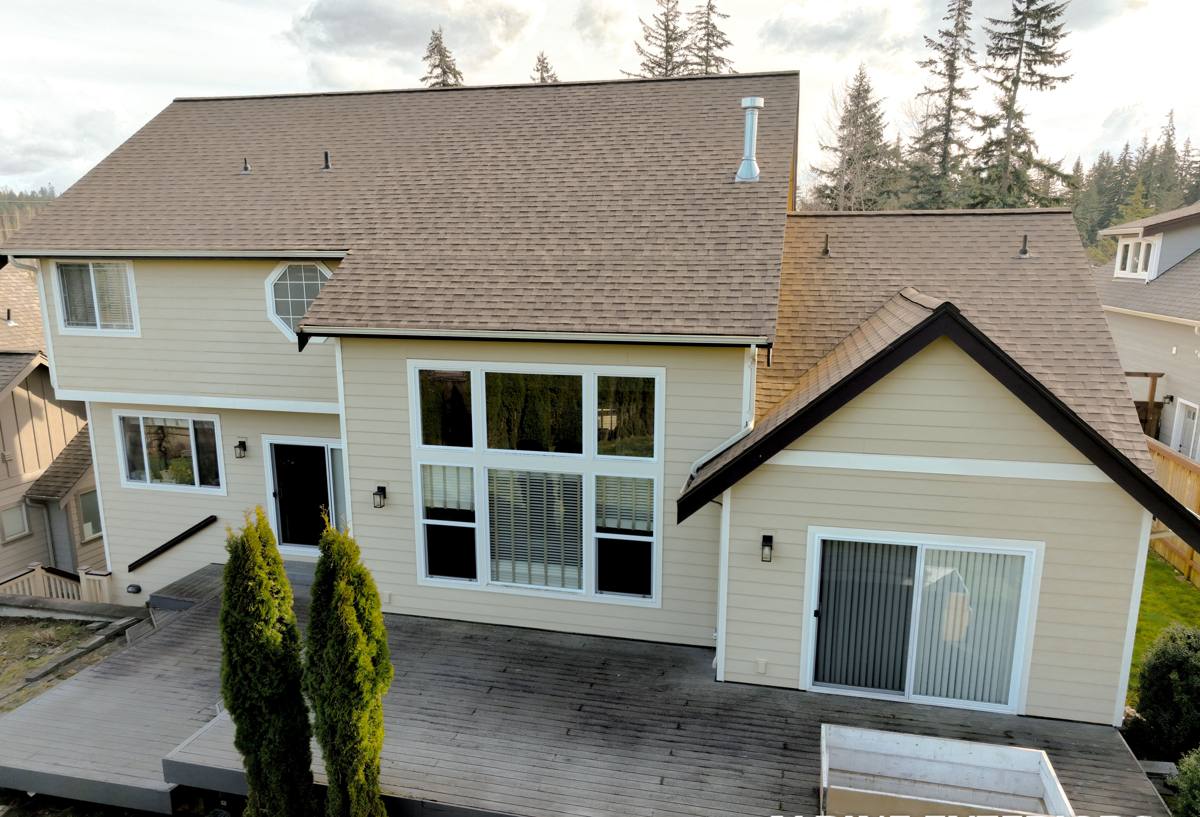
What Pasco County Weather Does to Vertical Siding
Every siding profile experiences weather differently, and vertical board and batten has a few pressure points that flat lap siding doesn't.
Wind-Driven Rain and Seam Failure
Board and batten relies on battens — the narrow vertical strips — to cover the seams between wider base panels. Those seams are the weak point. In a normal rain, gravity does most of the work and water sheds down and off. In wind-driven rain, which Zephyrhills gets regularly during summer storms and tropical systems, water gets pushed sideways and even upward into those seams under pressure. If the batten spacing, fastening, and flashing behind the panel aren't done correctly, that's exactly where moisture finds its way behind the siding and into the wall assembly.
UV Exposure and Salt-Influenced Air
Land O'Lakes and Zephyrhills sit inland from the Gulf, but salt-influenced air still travels with onshore weather patterns, and combined with Florida's intense, near year-round UV exposure, it accelerates the breakdown of paint film, caulking, and lower-grade composite materials. A board and batten system that isn't engineered for this exposure will show fading, chalking, and caulk failure at the seams well before a homeowner expects to be repainting.
Wind Load
Pasco County is inside the wind-borne debris and hurricane-exposure zone for building code purposes. Vertical siding presents more edge and seam area per square foot than horizontal lap siding, which means fastening schedule and panel attachment aren't places to cut corners — they're what keeps the siding on the wall in a real wind event.
What a Correct Board & Batten Installation Actually Involves
A lot of board and batten jobs fail years down the road not because the material was wrong, but because the installation skipped steps that don't show up in a walk-around inspection right after the job is done. Here's what we consider non-negotiable.
Water-Resistive Barrier and Flashing First
Before a single board goes up, the wall needs a continuous water-resistive barrier with properly lapped and sealed seams, and flashing detailed around every window, door, and penetration. Board and batten's vertical seams put extra demand on this layer — it's the backup plan if any water does get past the batten joints.
Batten Spacing and Fastening Pattern
Batten spacing has to match the manufacturer's engineering, not just an eyeballed "even" look. Fastener type, length, and spacing are specified for a reason — they're rated for the wind loads relevant to this region, and undersized or wrong-pattern fasteners are one of the most common causes of siding pulling loose in storms.
Field-Cut Sealing
Every panel that gets cut on site exposes a raw edge that has to be primed or sealed before installation, particularly at the bottom edge near grade and around penetrations. Skipping this step is invisible at handoff and becomes a moisture entry point within a few seasons.
Clearance and Drainage at the Base
Board and batten installed too close to grade, patios, or roof lines traps moisture against the bottom of the panel. Correct clearance and a way for water to drain away from the wall base is part of the install, not an afterthought.
James Hardie Board & Batten: The Only System We Install
We install James Hardie fiber cement exclusively — including for board and batten profiles — and we don't install vinyl board and batten, engineered wood (LP SmartSide), Cemplank, Allura, or primed spruce/cedar board and batten. That's a deliberate standard, not a sales position, and it's worth explaining plainly rather than just asserting it.
Why Not Vinyl
Vinyl board and batten is affordable and low-maintenance in the sense that it doesn't need painting, but it's a thin, heat-reactive plastic. In direct Florida sun it expands, contracts, and can warp or become brittle with age, and in high wind it's more prone to cracking or blowing off than a rigid fiber cement panel. For a vertical profile that depends on tight seams staying tight, that reactivity is a real liability.
Why Not Engineered Wood (LP SmartSide)
Engineered wood products perform reasonably well in drier, more moderate climates. In a humid, high-rainfall environment like Pasco County, wood-based substrates are more vulnerable to moisture wicking at cut edges and seams — exactly the areas board and batten has the most of. Once moisture gets into an engineered wood panel, it doesn't recover the way fiber cement does.
Why Not Other Fiber Cement Brands
Cemplank and Allura are also fiber cement and aren't unreasonable products in general terms. We standardized on James Hardie specifically for its ColorPlus factory finish (which resists the fading and chalking UV causes here), its HZ product lines engineered for humid, high-moisture climates, and a warranty structure we can stand behind consistently across every home we build. Consistency in product, finish, and installation spec is what lets us guarantee the work.
| Material | Wind performance | Moisture behavior | UV/fade resistance | Typical maintenance |
|---|---|---|---|---|
| James Hardie fiber cement | Engineered and rated for high-wind installation | Non-combustible, resists moisture-driven warping | ColorPlus factory finish resists fading/chalking | Occasional rinse; no repainting for many years |
| Vinyl | Can crack or detach in high wind | Doesn't absorb moisture, but seams can flex/gap | Fades and can become brittle over time | Low, but replacement (not repair) when damaged |
| Engineered wood (LP SmartSide) | Adequate when new and well-fastened | Vulnerable at cut edges/seams if moisture intrudes | Requires repainting on a set schedule | Regular paint and seam maintenance |
| Primed spruce/cedar | Adequate, but softer material | Highest moisture sensitivity of the group | Fades and weathers fastest without upkeep | Frequent painting/staining and sealing |
Our Zephyrhills Installation Process
The process itself isn't dramatically different from job to job, but the details we check are specific to this area's exposure and building stock.
- On-site assessment of wall condition, existing substrate, and moisture history before quoting
- Removal of old siding and inspection of sheathing for rot or prior water damage
- Repair of any compromised sheathing before new material goes up — never sided over
- Installation of a continuous water-resistive barrier with properly lapped seams
- Flashing at all windows, doors, and penetrations
- James Hardie panel and batten installation to manufacturer fastening spec for this wind zone
- Sealing of all field cuts and edges before panels are set
- Final walkthrough covering caulking, trim, and clearance at grade
Why a Crew That Already Works in Zephyrhills Matters
A siding crew that regularly works in and around Zephyrhills has already seen how homes in this part of Pasco County age — which wall orientations take the worst sun, which lots hold moisture longer after a storm, and what the local permitting and inspection process actually expects. That's not something a crew coming in from outside the region picks up quickly, and it shows up in details like batten spacing decisions, flashing choices around common window styles in the area, and knowing which older homes are more likely to have sheathing issues under the existing siding. Local knowledge doesn't replace correct installation technique, but it does mean fewer surprises once the old siding comes off.
Cost Factors for Board & Batten in Land O'Lakes and Zephyrhills
Every home is different, and we won't publish a number that doesn't apply to your project, but these are the real factors that move the price on a board and batten job in this area.
| Factor | Why it affects cost |
|---|---|
| Existing siding removal and disposal | Tear-off adds labor and disposal cost versus building on new construction |
| Sheathing condition | Rot or moisture damage found underneath requires repair before new siding goes on |
| Wall height and roofline complexity | Multi-story walls, dormers, and cut-ins increase labor and material waste |
| Panel size and batten spacing chosen | Wider reveals and custom spacing change material quantities and cut time |
| Trim and accent detailing | Corner boards, window trim, and accent bands add finish labor |
| Color — factory ColorPlus vs. field paint | Factory finish costs more upfront but avoids a repaint cycle |
Maintenance After Installation
One advantage of a correctly installed James Hardie board and batten system is how little upkeep it asks for. An occasional rinse to clear pollen, dust, and salt residue keeps the finish looking right, and a yearly walk-around to check caulking at trim joints and penetrations catches small issues before they become water problems. Because the ColorPlus finish is baked on at the factory rather than field-applied, homeowners in this area aren't on a repainting schedule the way they would be with wood or field-painted siding — which matters given how hard Florida sun is on exterior paint film.
If you're planning a board and batten project in Zephyrhills or anywhere in the Land O'Lakes area, we're happy to walk your home, look at your existing wall condition, and put together a straightforward, no-pressure estimate — just fill out the form below to get started.