 Land O'Lakes Siding
 Roofing a Master-Planned Neighborhood Like Wiregrass Ranch
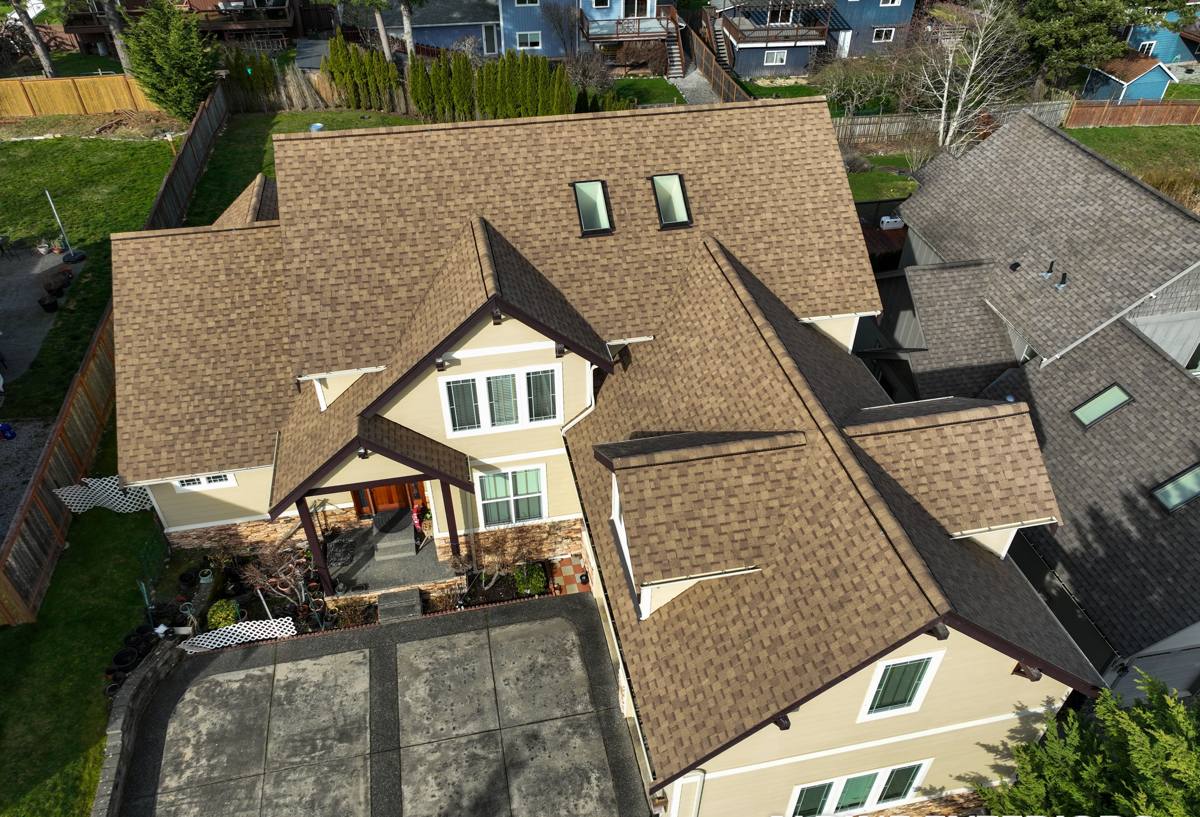
Wiregrass Ranch is a newer, HOA-governed community, and that changes what a correct roof replacement looks like compared to an older Land O'Lakes neighborhood. Homes here tend to be newer builds with fairly uniform roof lines, architectural shingle or tile systems chosen to match community aesthetics, and, in many cases, HOA design guidelines that dictate color and material options. A roofing crew that works this area regularly already knows the common roof pitches, the typical decking and truss setups used by the builders in this part of Pasco County, and what the HOA architectural review committee tends to require before work can start.
That local familiarity saves homeowners real time. Instead of guessing at approved shingle colors or scrambling to gather HOA paperwork mid-project, a crew that's already replaced roofs on nearby streets can walk in with a shorter list of questions and a faster path to permit and approval.
What Land O'Lakes Weather Does to a Roof
Pasco County sits squarely in a climate that is hard on roofing materials year-round, and Wiregrass Ranch is not exempt just because the homes are newer. Four forces do most of the damage over time:
Intense, Year-Round UV
Florida sun breaks down asphalt shingle granules and dries out the oils that keep shingles flexible. Over years, this shows up as granule loss, curling edges, and shingles that crack instead of flexing when walked on or hit by debris.
Wind-Driven Rain
It's rarely straight-down rain here. Wind pushes water sideways and up under shingle edges, flashing laps, and ridge caps. A roof can look intact from the ground and still be letting water in at these transition points.
Hurricane-Force Wind Events
Even homes that never take a direct hit from a named storm see repeated high-wind events over a roof's lifespan. Each one stresses fasteners, uplift-prone edges, and any shingle that was already loosening from age or heat.
Salt Air
Land O'Lakes is inland, but Gulf-driven salt air still reaches this far and accelerates corrosion on exposed metal — flashing, fasteners, vent stacks, and drip edge — faster than in a purely landlocked climate.
Individually, none of these is unique to Wiregrass Ranch. Together, over a decade or two, they're why roofs in this part of Florida rarely fail from one dramatic event — they fail from accumulated small compromises that eventually let water in.
Signs a Wiregrass Ranch Roof Needs Replacement, Not Another Repair
Repairs make sense when the damage is isolated and the roof still has useful life left. Replacement makes sense when the underlying material is worn out everywhere, even if only part of it is currently leaking. Here's what we look for during an inspection:
- Granule loss heavy enough that shingles look patchy or bald in sun-exposed areas, especially south- and west-facing slopes
- Shingles that are curling, cupping, or cracking across multiple areas of the roof, not just one spot
- Soft spots or sagging in the decking when walked, which usually means moisture has reached the wood underneath
- Repeated leaks in different locations after past patch repairs
- Visible daylight or staining in the attic around the roof deck or rafters
- Flashing around chimneys, skylights, or wall intersections that's rusted, lifted, or was never properly step-flashed
- A roof approaching or past the manufacturer's expected service life for its material and this climate
- Missing or damaged shingles after a wind event, spread across enough of the roof that patching would leave a visibly mismatched or weak-point repair
If a roof shows two or three of these at once, a full replacement is usually the more honest recommendation than another round of patching.
Choosing a Roofing System That Fits This Climate and This Neighborhood
Most Wiregrass Ranch homes are set up for either architectural asphalt shingles or concrete/clay tile, and the right choice depends on the home's existing structure, HOA requirements, and budget. We don't push one product as universally "best" — each has real trade-offs.
| Factor | Architectural Shingle | Concrete/Clay Tile |
|---|---|---|
| Upfront cost | Lower | Higher |
| Wind resistance (properly installed) | Good, rated for high-velocity zones | Very good, but relies on correct fastening and underlayment |
| UV/heat durability | Moderate; granule and oil breakdown over time | Excellent; the tile itself doesn't degrade from sun |
| Maintenance | Lower; periodic inspection | Higher; individual tiles can crack and need replacement |
| Underlayment dependency | Moderate | High — the underlayment does most of the waterproofing work under tile |
| Typical service life | 15-25 years depending on product | 30-50 years for the tile, though underlayment often needs replacement sooner |
One point worth understanding on tile roofs specifically: the tile itself is largely decorative and highly durable, but the waterproofing is actually done by the underlayment beneath it. A tile roof is only as good as that underlayment and the flashing detail work — which is why we treat underlayment selection and installation as seriously as the visible tile choice.
What a Correct Roof Replacement Actually Involves
A roof replacement done right is more than stripping old material and nailing down new. The steps that actually determine how the roof performs in Pasco County weather happen underneath what you can see:
- Full tear-off to bare decking — never installing new roofing over old material, which traps moisture and hides deck problems
- Deck inspection and repair, replacing any plywood or OSB that's soft, delaminated, or water-stained before anything new goes down
- Underlayment upgrade appropriate to the covering material and this climate, since this layer is the real water barrier if wind ever lifts the top layer
- Flashing detail at every penetration and intersection — chimneys, skylights, wall-to-roof transitions, vent stacks — done as step and counter-flashing, not just caulked
- Fastening to current wind-rating code, with nailing patterns and fastener counts that match Pasco County's wind requirements, not the minimums from an older code cycle
- Attic ventilation check, since poor ventilation shortens shingle life by trapping heat and moisture against the underside of the roof
- Ridge, edge, and drip edge finishing with corrosion-resistant metal given the salt air exposure this region gets
- Final inspection and cleanup, including a magnetic nail sweep of the property
Our Process, Start to Finish
We keep the process straightforward and try not to make homeowners guess what's happening at each stage:
1. On-Site Inspection and Estimate
We walk the roof and attic, document existing conditions, and give you a written scope and estimate — no pressure, no same-day-signature tactics.
2. Material Selection
We go over shingle or tile options that fit your budget and, if applicable, your HOA's approved color and material list, so you're not choosing blind.
3. Permitting
We pull the required Pasco County permit and, where the property requires it, help prepare the paperwork for HOA architectural review before work begins.
4. Tear-Off and Replacement
Work is scheduled around weather windows — we don't leave a torn-off roof exposed to an incoming afternoon storm, which is a real risk this time of year.
5. Inspection and Cleanup
We do a final walk-through with you, cover warranty paperwork, and make sure the property is cleared of debris and nails.
HOA and Permitting Considerations Specific to This Area
Because Wiregrass Ranch is HOA-governed, roof color and, in some sections, material type may need architectural committee approval before the county permit is even pulled. This isn't unique to roofing, but it does add a step that homeowners in older, non-HOA Land O'Lakes neighborhoods don't have to deal with. A crew already familiar with this community's approval process can flag likely sticking points early — rather than discovering a color rejection after material has already been ordered.
What Drives the Cost of a Roof Replacement Here
| Cost Factor | Why It Matters in This Area |
|---|---|
| Roof size and pitch | Larger or steeper roofs require more material and labor time |
| Material choice | Shingle vs. tile represents the widest cost spread |
| Decking condition | Hidden water damage found during tear-off adds repair cost, but skipping this repair is not a safe shortcut |
| Underlayment upgrade | Higher-grade underlayment costs more up front but matters most in wind-driven rain events |
| Number of penetrations | Skylights, chimneys, and multiple vent stacks each add flashing labor |
| HOA-driven material/color restrictions | Can narrow product options, which sometimes affects price |
We provide a written, itemized estimate so you can see where the cost is coming from rather than a single lump number.
Why Hiring a Crew That Already Works Wiregrass Ranch Matters
Roofing companies that only pass through occasionally don't have a feel for this neighborhood's typical roof ages, common builder-grade materials, or HOA review timelines. A crew that regularly works in Wiregrass Ranch and the surrounding Land O'Lakes area has already handled these specifics enough times to move efficiently through them — which usually means fewer surprises and a smoother permit and approval process for you.
If your roof is showing wear, or you're just not sure whether you're looking at a repair or a replacement, we're happy to come take a look. The estimate is free, there's no pressure to sign anything on the spot, and you'll get a straight answer about what your roof actually needs.