 Land O'Lakes Siding
 Why Oakstead Homes Take a Beating From Florida Weather
Oakstead sits inland from Tampa Bay, but "inland" in Pasco County doesn't mean sheltered. Homes here still face the same core threats that wear down exterior materials across West Central Florida: hurricane-force wind gusts during tropical systems, wind-driven rain that gets forced sideways into seams and joints, nearly year-round UV exposure that most of the country never sees, and a steady dose of salt-laden air that drifts in from the Gulf on an onshore breeze. None of that is unique to Oakstead, but it's constant, and siding is the first material standing between that weather and your home's structure.
Siding that isn't engineered for this climate, or that's installed with shortcuts, shows it fast. Vinyl softens and warps in sustained heat. Hardboard and OSB-based products swell and delaminate once moisture works its way behind them. Even good materials fail early when flashing is skipped or fasteners are wrong for the job. The siding on your home isn't just cosmetic — it's a system that either sheds water and holds up to wind, or it doesn't.
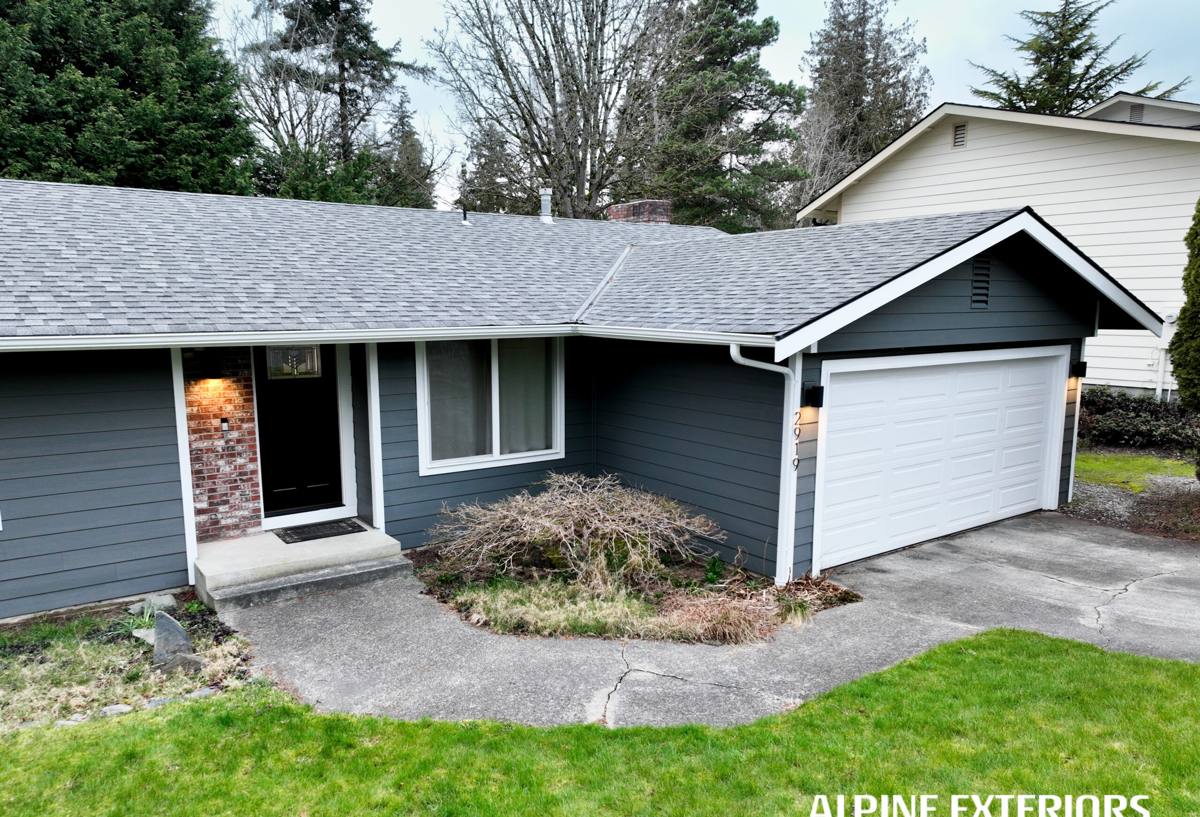
What "Correct" Fiber Cement Installation Actually Involves
Fiber cement siding is only as good as the installation behind it. A huge share of the siding problems we get called out to look at in Pasco County aren't product failures — they're installation shortcuts that let water or wind get where it shouldn't.
Flashing and Moisture Management
Every window, door, and penetration needs proper flashing and a drainage plane behind the siding, not just caulk at the surface. Caulk fails; a correctly built water management system doesn't rely on it as the only line of defense. This matters more in a market like ours, where wind-driven rain during a tropical storm doesn't fall straight down — it gets pushed sideways into every gap that wasn't sealed correctly the first time.
Fastening, Clearances, and Joints
Fiber cement needs the right fastener type, spacing, and embedment depth — get this wrong and boards can crack, pop loose in high wind, or trap moisture at the fastener head. Boards also need proper clearance from the roofline, decking, and grade, and butt joints need to be flashed or sealed to manufacturer spec, not just butted tight and painted over.
Corners, Trim, and Finish Work
Inside and outside corners, trim boards, and the transitions around soffits and fascia are where a lot of amateur installs cut corners, literally. Done right, these details keep water from ever reaching the wall assembly. Done wrong, they're the first place you'll see staining, cracking, or paint failure.
Why We Only Install James Hardie
We standardized on James Hardie fiber cement siding and don't install LP SmartSide, vinyl, Cemplank, Allura, or primed wood siding. That's not a marketing position — it's a decision based on what actually holds up on Florida homes over the long run.
- Non-combustible core: Hardie's fiber cement composition doesn't burn, which matters in a state where lightning strikes are common during summer storm season.
- ColorPlus factory finish: a baked-on finish applied under controlled conditions holds color and resists UV fade better than field-applied paint, which matters given how much direct sun Oakstead homes get most of the year.
- Climate-engineered HZ product lines: Hardie's HZ5 formulation is specifically engineered for humid, high-moisture climates like ours, rather than being a one-size-fits-all product.
- A warranty structure built around correct installation: the transferable warranty backs the product when it's installed to Hardie's specifications, which is part of why installation quality matters as much as the material choice.
We stand behind the installation because we control every part of it, and we only put our name on a product system we trust to perform in this exact climate.
Signs Your Current Siding Is Falling Behind
A lot of homes in Oakstead date to the community's main development period in the 2000s, which means a meaningful share of the original exterior siding is now old enough to be showing its age. If your home still has its original siding, or if you've never had it inspected, here's what to watch for:
- Cracking, buckling, or visible warping in panels or boards
- Fading or chalking that won't wash off, especially on sun-exposed elevations
- Soft spots, or areas that feel spongy when pressed
- Dark streaking or staining near seams, corners, or under windows
- Paint that's peeling or blistering repeatedly in the same spots
- Visible gaps at trim, corners, or butt joints
Any one of these can point to a moisture problem building behind the siding, not just a cosmetic issue on the surface. Catching it early is a lot cheaper than dealing with wall sheathing damage later.
Our Process, Start to Finish
The work looks the same whether it's one wall or a full re-side, just scaled differently:
- On-site inspection: we look at your current siding, trim, and any problem areas, and check what's underneath if there's visible damage.
- Product and profile selection: we walk through Hardie's plank profiles, textures, and ColorPlus options so the finished look fits your home and, where applicable, your community's guidelines.
- Written estimate: a clear scope of work and price before anything starts — no surprise add-ons mid-project.
- Removal and prep: old siding comes off, the wall is inspected for hidden moisture or sheathing damage, and the water-resistive barrier is repaired or replaced as needed before a single new board goes up.
- Installation to spec: proper flashing, fastening, clearances, and joint treatment at every step, not just the parts that show.
- Trim, caulking, and finish detail: the details that determine whether the install ages well or starts failing in year three.
- Final walkthrough: we go over the finished job with you before calling it done.
What Affects Your Estimate
Every home is different, but these are the main variables that move a fiber cement siding estimate up or down:
| Factor | Why It Matters |
|---|---|
| Home size and wall complexity | More square footage and more corners, gables, and cutouts mean more labor and material |
| Condition of the substrate | Rotten sheathing or hidden moisture damage found during tear-off adds repair work before new siding can go on |
| Full re-side vs. partial replacement | Matching existing siding on a partial job can be more labor-intensive per square foot than a full tear-off |
| Trim and accent work | Decorative trim, shutters, and accent boards add labor and material beyond flat wall coverage |
| Profile and finish selection | Different Hardie plank widths, textures, and ColorPlus colors carry different material costs |
| Site access | Fencing, landscaping, or tight lot lines can slow tear-off and staging |
Why Hiring a Crew That Already Works in Oakstead Matters
Siding work in a planned community like Oakstead isn't quite the same as siding work anywhere else. Many homes here fall under HOA architectural guidelines that govern color choices and exterior changes, and a contractor who's already familiar with that process can help you avoid delays that come from picking a color or profile that needs additional approval. A crew that regularly works in Land O'Lakes and greater Pasco County also already knows the local permitting process, the wind-load requirements that apply under Florida Building Code, and the kinds of siding and framing conditions common to homes built during this area's main growth period.
That familiarity shows up in small but real ways: fewer permitting delays, fewer surprises once old siding comes off, and a crew that isn't learning the local code requirements on your project.
Living With Fiber Cement Siding Long-Term
Correctly installed Hardie siding is genuinely low-maintenance compared to what it usually replaces, but "low-maintenance" doesn't mean "no maintenance." A little attention keeps it performing the way it's built to:
- Rinse the exterior periodically to clear salt residue, pollen, and general grime
- Keep sprinkler heads and irrigation aimed away from the siding to limit constant moisture exposure
- Trim back landscaping so foliage isn't holding moisture against the wall
- Have caulking at trim and joints inspected every few years and refreshed if it's cracking or pulling away
- After a major storm, do a visual check for cracked boards, loose trim, or impact damage
None of this is heavy upkeep. It's the kind of routine attention that lets a correctly installed fiber cement system reach the long service life it's designed for.
Get a Straight Answer for Your Home
If you're weighing whether it's time to replace or repair siding on an Oakstead home, we're happy to take a look and give you a straightforward, no-pressure estimate — what we're seeing, what it would take to do it right, and what it would cost. No hard sell, just an honest read on your home.