 Land O'Lakes Siding
 Roof Repair Built for Wiregrass Ranch Homes
Wiregrass Ranch sits in one of the faster-growing corners of Land O'Lakes, and most of the roofs here are still relatively young compared to older Pasco County neighborhoods. That doesn't mean they're immune to damage. New construction shingles and underlayment go through the same brutal Florida weather cycle as everything else in this county, and a roof that looks fine from the driveway can already be losing granules, lifting at the edges, or letting moisture into the decking. Roof repair in this area isn't about waiting for a roof to fail — it's about catching the small stuff before it becomes a tear-off.
We work on homes throughout Land O'Lakes and Pasco County, and Wiregrass Ranch's mix of newer subdivisions, HOA-governed exteriors, and consistent architectural shingle styles means we see the same failure patterns repeat from street to street. That familiarity is worth something when you're trying to figure out whether a repair is a quick fix or the first sign of something bigger.
What This Climate Does to a Roof
Pasco County doesn't get a break from the weather. The roof over a Wiregrass Ranch home is dealing with several kinds of stress at once, year-round, and they compound each other.
Hurricane-Force Wind
Even homes that never take a direct hurricane hit still get hammered by tropical-storm-strength gusts most seasons. Wind doesn't need a named storm to do damage — it works shingle edges loose, breaks the seal strips that hold tabs down, and turns a small lifted shingle into a missing one during the next big blow. Once a seal is broken, that shingle is compromised even if it looks intact.
Intense, Year-Round UV
Florida sun is harder on roofing than most homeowners realize. UV breaks down the asphalt oils in shingles, making them brittle over time. Brittle shingles crack instead of flexing, and cracked shingles let water in at the exact spots you can't see from the ground.
Wind-Driven Rain
A roof can shed straight-down rain just fine and still leak badly when rain is coming in sideways. Wind-driven rain finds every gap in flashing, every lifted shingle tab, and every spot where nail heads have backed out slightly. This is why leaks so often show up during a storm and then seem to "disappear" afterward — the water is only getting in under specific wind conditions.
Salt Air
Land O'Lakes is inland, but Gulf-driven salt air still travels this far and accelerates corrosion on exposed metal — roof vents, flashing, nail heads, and fasteners. Corroded metal fails quietly, and it's usually the metal components, not the shingles themselves, that cause a leak nobody can explain.
Common Roof Repair Issues We Find in This Neighborhood
No two repair calls are identical, but a few problems show up repeatedly on Wiregrass Ranch homes:
- Lifted or missing shingle tabs along ridgelines and roof edges, where wind uplift is strongest
- Cracked or curling shingles on south- and west-facing slopes that take the most direct sun
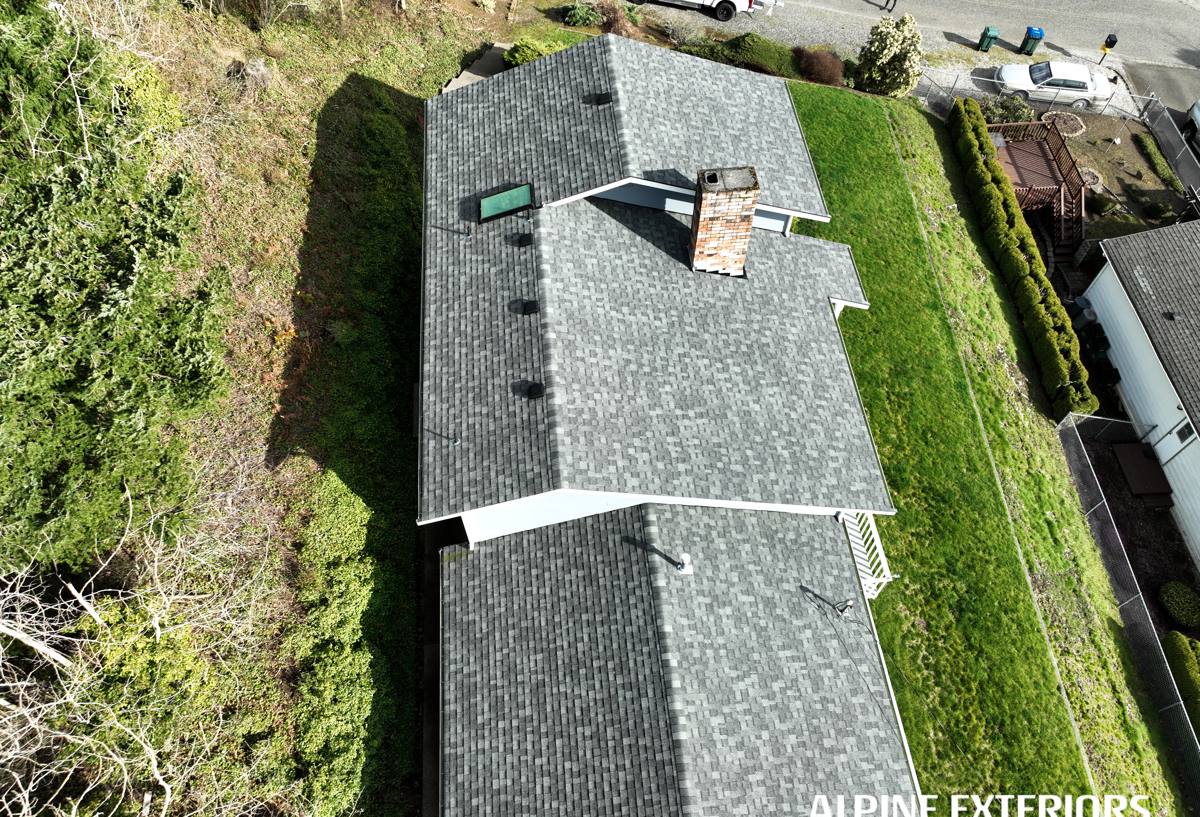
- Flashing separation around chimneys, skylights, and roof-to-wall transitions
- Nail pops that work through the shingle surface as the deck expands and contracts
- Granule loss in gutters and downspouts, a sign the shingle surface is wearing thin
- Soft or stained decking in the attic below valleys and penetrations, found only on inspection
- Corroded pipe boots and vent flashing that have dried out and cracked at the seams
What a Correct Repair Actually Involves
A repair that's done right isn't just replacing the shingles you can see damaged. It starts with figuring out why that damage happened in the first place, because patching over a symptom without fixing the cause just buys you a few months before the same leak comes back.
Finding the Real Source
Water travels. A stain on a ceiling might be ten feet from where the water is actually entering the roof. We trace leaks from the inside of the attic when possible, following the decking and framing to the actual entry point, rather than assuming the damage is directly above the stain.
Matching Materials, Not Just Colors
Shingles fade with UV exposure, so a repair patch that's technically the "same" shingle can still stand out if it's pulled from a fresh bundle next to shingles that have weathered for years. We aim for the closest reasonable match and set expectations up front — a repair on an older roof will rarely be invisible, and we'd rather tell you that than oversell it.
Flashing and Underlayment Come First
Shingles are the visible layer, but flashing and underlayment are what actually keep water out at vulnerable points — valleys, walls, chimneys, vents. If those are damaged or were installed poorly the first time, replacing shingles on top without addressing them is a repair that fails again.
Fastening for Wind, Not Just Code Minimums
Nailing pattern and placement matter more in a wind-exposed county like Pasco than in calmer inland climates. Repairs get fastened correctly per manufacturer specs, with attention to the same wind-resistance details that matter on a full installation.
Our Repair Process
- Inspection and diagnosis. We get on the roof and in the attic when needed, looking for both the obvious damage and the underlying cause.
- Honest assessment. We tell you plainly whether this is a straightforward repair, a repair with a limited lifespan, or a situation where repair isn't the smart money.
- Written scope and estimate. You get a clear explanation of what's being done and why, before any work starts.
- Repair work. Damaged shingles, flashing, underlayment, and fasteners are addressed as a system, not in isolation.
- Cleanup and check. Debris and old materials are cleared, and we walk the repair with you if you'd like to see what was done.
Repair vs. Replacement: How to Tell the Difference
This is the question most homeowners actually want answered, and it depends on more than just how bad one leak looks.
| Factor | Repair Usually Makes Sense | Replacement Should Be Considered |
|---|---|---|
| Roof age | Under 12-15 years, or newer construction | Approaching or past manufacturer's expected lifespan |
| Extent of damage | Isolated to one area or feature (a vent, a valley, a section) | Spread across multiple slopes or recurring in several spots |
| Shingle condition overall | Rest of the roof still has flexibility and granule coverage | Widespread curling, brittleness, or bald spots |
| Decking condition | Solid, no soft spots found | Soft, spongy, or stained decking found during inspection |
| Repair history | First or second repair on this roof | Same area has needed repair more than twice |
None of these are absolute rules on their own — they're factors we weigh together. A roof can be young in years but still need replacement if it was installed poorly, and an older roof can sometimes take a solid, honest repair if the underlying deck and structure are sound.
What Affects Repair Cost
We don't publish fixed repair prices because the range is genuinely wide, but these are the variables that move the number up or down:
| Cost Factor | Why It Matters |
|---|---|
| Size of the damaged area | A single lifted shingle costs far less to address than a full slope |
| Roof pitch and access | Steep or hard-to-access roofs take longer and require more safety setup |
| Decking damage | Rotten or soft decking has to be replaced before shingles go back on |
| Flashing complexity | Chimneys, skylights, and multiple valleys add labor and material |
| Shingle availability | Discontinued or hard-to-match shingle lines can add cost and lead time |
| Storm demand | Repair costs can shift after a major regional storm event due to material and labor demand |
Signs You Shouldn't Ignore
A lot of roof damage in this climate doesn't announce itself with an obvious leak right away. Watch for these:
- Granules collecting in gutters or at downspout outlets
- Shingle tabs that look lifted or slightly curled at the edges, especially after a windy stretch
- Dark streaks or stains on ceilings, even small ones that seem to come and go
- Visible daylight through the attic roof deck (a serious sign, worth an immediate call)
- Musty smell in the attic or upper floors, which can indicate trapped moisture
- Missing shingles you can spot from the ground after a storm
- Rusty streaks around vent pipes or metal flashing
Why Local Experience in Wiregrass Ranch Matters
A repair crew that regularly works this specific area already understands the shingle styles and roof pitches common to Wiregrass Ranch's newer subdivisions, and many HOAs here have specific requirements about matching shingle color and style — something worth knowing before repair materials are ordered. Local experience also means knowing how this particular part of Pasco County has weathered recent storm seasons, which helps set realistic expectations about what a repair can and can't solve.
Just as important is being reachable afterward. A repair should come with someone who stands behind the work and will come back out if something isn't right, not a crew that's moved on to another county by the time a problem shows up.
Get an Honest Look at Your Roof
If you're dealing with a leak, storm damage, or just want a second opinion on a roof that's showing its age, we're happy to take a look. We'll give you a straight answer about what's actually needed — no pressure, no upsell toward a replacement you don't need yet. Fill out the form below to schedule a free estimate for your Wiregrass Ranch home.