 Land O'Lakes Siding
 Why Window Replacement Looks Different in Zephyrhills
Zephyrhills sits in eastern Pasco County, far enough inland that homeowners sometimes assume they're spared the worst of what coastal Florida deals with. That's only partly true. The area still sits inside a hurricane-prone wind zone, still bakes under intense year-round UV, and still gets pounded by wind-driven rain during summer storm season and the occasional tropical system that pushes inland with plenty of punch left in it. Salt air is less of a daily factor here than it is right on the Gulf, but everything else — heat cycling, humidity, wind load — is fully in play.
Old or poorly installed windows in this climate don't fail quietly. They fail as water stains on drywall, fogged double panes, swollen wood jambs, and single-pane glass that turns a west-facing room into an oven by mid-afternoon. Replacing windows correctly here isn't just a cosmetic upgrade — it's how a Pasco County home stays dry, comfortable, and structurally sound through another hurricane season.
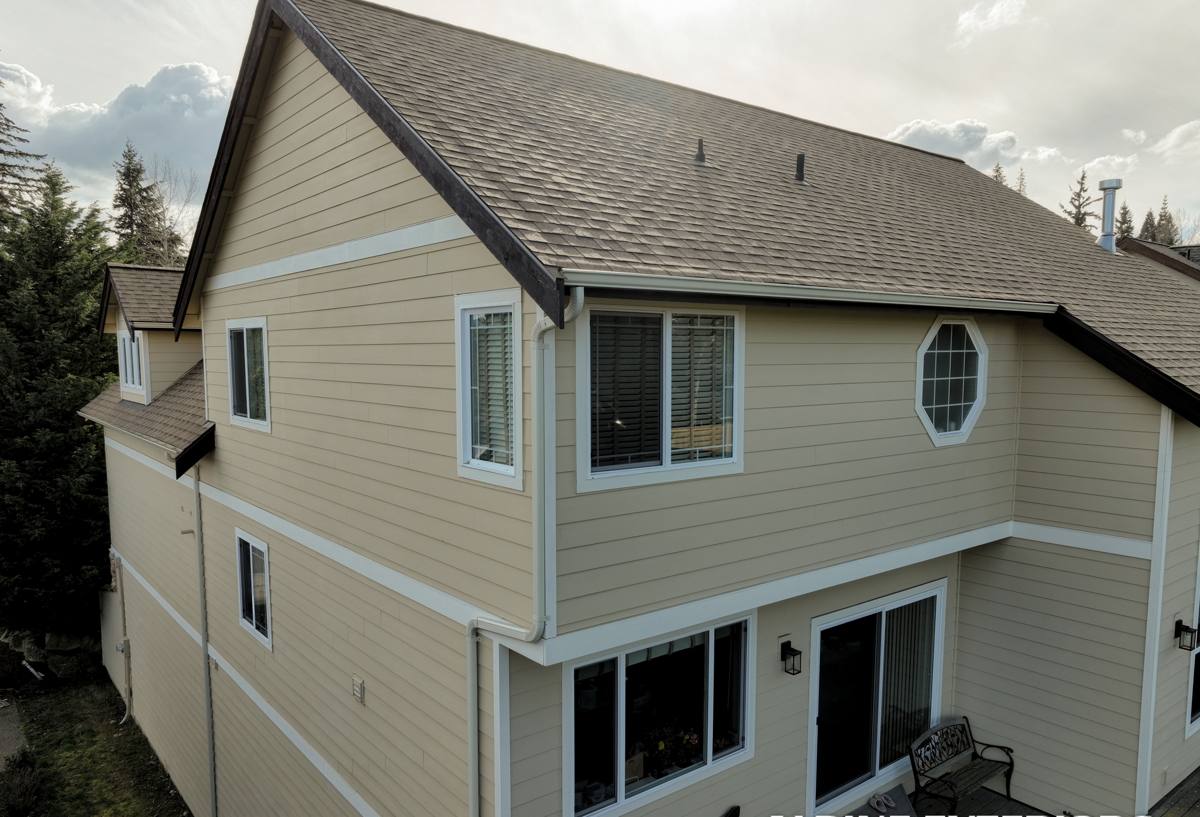
Signs a Window Needs Replacing, Not Repairing
Not every problem window needs to come out. But in our experience working homes throughout Land O'Lakes and Zephyrhills, certain symptoms almost always point to replacement rather than a patch job:
- Fogging or a milky haze between panes — the seal has failed and the insulating gas is gone for good
- Frames that are soft, discolored, or swollen at the corners, especially on wood or older aluminum units
- Windows that won't stay open, won't lock securely, or have been painted shut
- Visible daylight or a draft around the frame when the window is fully closed
- Water intrusion at the sill after heavy rain, even if the glass itself looks fine
- Single-pane glass in rooms that get direct afternoon sun
If you're only seeing one of these on one window, a repair may buy you time. If you're seeing several across the house, or the home still has its original builder-grade windows, replacement is almost always the more honest recommendation — repeated repairs on failing frames rarely pencil out over time.
What a Correct Window Replacement Actually Involves
The window unit itself matters, but most window failures we get called out to inspect trace back to installation, not the product. A correct job follows the same sequence every time, regardless of brand.
Removal and Opening Inspection
The old window comes out carefully so we can actually see the rough opening — the wood framing, sheathing, and any prior flashing work. This is the point where hidden water damage or rot from a long-standing leak shows up. It needs to be addressed before a new window goes in, not covered over.
Flashing and Water Management
This is the step that gets skipped most often on rushed jobs, and it's the one that matters most in a climate with regular wind-driven rain. Proper flashing directs any water that gets past the window itself back out and away from the wall assembly, rather than letting it track down into the framing. Done right, it's layered so each piece sheds water onto the one below it — sill pan first, then side flashing, then head flashing integrated with the house wrap.
Setting, Shimming, and Fastening
A window has to be set level, plumb, and square, and shimmed so it isn't relying on the frame alone to hold its shape. Fasteners go in per the manufacturer's installation instructions and, in wind-borne debris regions, per the product's tested installation method — not just "enough screws to hold it."
Sealing and Interior/Exterior Trim
Low-expansion foam or backer rod and sealant around the frame perimeter, weather-resistant exterior caulking at the trim joints, and interior finish work that matches the rest of the room. A window that leaks air or water at the trim line will eventually cause the same damage as one that was never flashed correctly.
Impact-Rated vs. Standard Windows with Shutters
This is the most common decision Zephyrhills homeowners face once they're replacing more than one or two windows. Both approaches can meet code when installed correctly; they just come with different day-to-day trade-offs.
| Factor | Impact-Rated Windows | Standard Windows + Shutters |
|---|---|---|
| Storm prep | None needed — always in place | Shutters must be installed/closed before every storm |
| Daily use | Functions like a normal window year-round | Normal until shutters go up, then home is dark inside |
| Upfront cost | Higher per opening | Lower window cost, added shutter cost |
| Noise/UV reduction | Laminated glass cuts noise and UV noticeably | No added benefit outside storm events |
| Maintenance | Standard window maintenance | Shutter tracks/hardware need upkeep too |
| Insurance | Often qualifies for wind mitigation credits | Shutters can also qualify, if properly rated |
Neither option is objectively "better" in every case — it depends on the home, the budget, and how much homeowners want to think about storm prep. What we won't do is install a non-rated window in an opening that's supposed to carry a wind-rated assembly, or mix uncertified shutter hardware with a window it wasn't tested with. That combination doesn't perform the way either piece is supposed to on its own.
Frame Materials: Honest Trade-offs
Vinyl, aluminum, and fiberglass all show up in Pasco County homes, and each has a real trade-off rather than a clear winner.
- Vinyl — good insulation value and no painting, but quality varies a lot between manufacturers; in intense, sustained Florida sun, lower-grade vinyl can discolor or become brittle over many years
- Aluminum — strong and slim-profile, holds up structurally, but conducts heat more than other frame materials, which matters in a climate this hot
- Fiberglass — dimensionally stable across heat swings and holds paint well, generally the highest upfront cost of the three
We'll walk through which material fits a given home's exposure, budget, and how long the homeowner plans to stay in it — there's rarely a single right answer, just the right fit for that house.
Permits and Wind Code Requirements
Window replacement in Pasco County is a permitted job, not an optional formality. The county reviews the product's approval documentation (NOA or Florida Product Approval) against the wind pressures required for that specific address, and inspects the completed installation. Zephyrhills sits within the same Florida Building Code wind provisions as the rest of the county, so the window has to be rated to handle the design pressure calculated for that home's height, roof geometry, and exposure — not just "hurricane-rated" in a general sense.
Skipping the permit might save a few days up front, but it leaves the homeowner with no inspection record, which becomes a real problem at resale or during an insurance claim after a storm. We pull permits as a standard part of the process, not an add-on.
What Actually Affects the Cost
Rather than quote a number that won't mean much without seeing the house, it's more useful to know what actually moves the price up or down.
| Factor | Effect on Cost |
|---|---|
| Impact-rated vs. standard glass | Impact glass costs more per opening, but removes the need for shutters |
| Window size and configuration | Large or unusual shapes (bay, picture, custom) cost more than standard sizes |
| Frame material | Fiberglass typically runs higher than vinyl or standard aluminum |
| Number of openings | Whole-house replacement usually has a lower per-window cost than one-off jobs |
| Existing damage | Rotted framing or old water damage found during removal adds repair cost |
| Access and second-story work | Upper-floor or hard-to-reach openings take more labor time |
We give a written, itemized estimate before any work starts, so there are no surprise line items once the job is underway.
Our Process, Start to Finish
- On-site assessment — we look at every opening, note existing damage, and measure for accurate sizing
- Product and pricing walkthrough — we go over frame material, glass, and impact-rated vs. shutter options in plain terms
- Permit pulled — filed with Pasco County before installation begins
- Removal and prep — old units out, opening inspected and repaired if needed
- Installation — flashing, setting, sealing, and trim done to manufacturer and code specifications
- Final inspection and walkthrough — county inspection scheduled, then a final check with the homeowner
Jobsite cleanup is part of the process, not an afterthought — old windows, packaging, and debris leave with us the same day.
Why Local Zephyrhills Experience Matters
A crew that regularly works Land O'Lakes and Zephyrhills already knows which wind zone a given street falls in, what Pasco County inspectors look for, and how the housing stock in this area tends to be built — slab construction, block or frame walls, and a mix of original builder-grade windows from different decades. That familiarity shortens the guesswork on measuring, permitting, and matching a product to the home instead of treating every job as a first-time exercise.
It also means we're not disappearing after the sale. Warranty service, a callback if something settles or needs adjustment, a straight answer if a future storm raises a question about the installation — all of that is easier with a contractor that's still working in the same zip codes next year.
Ready to Talk About Your Windows?
If your Zephyrhills or Land O'Lakes home has windows that fog, stick, leak, or just aren't holding up to another Florida summer, we're happy to take a look. The estimate is free, there's no pressure to commit on the spot, and you'll get a straight answer about what your home actually needs. Fill out the form below to get started.